
By the time an American consumer searches for a beauty product on Amazon, much of the purchasing decision may already have been made.
The journey might have begun with a creator’s recommendation, followed by product demonstrations, online searches and reviews. According to a new white paper published by Amazon Global Selling, 84% of Amazon beauty shoppers have already identified three potential purchases before they buy.
For an unfamiliar brand, the challenge is not simply appearing in search results, but earning a place on the consumer’s shortlist.
That distinction matters for Chinese beauty and personal care companies seeking growth overseas. Their strengths in manufacturing, product development and supply-chain responsiveness have enabled them to enter international markets with increasingly competitive products. Yet converting initial interest into purchase, and ultimately loyalty, requires a deeper understanding of local consumers.
The white paper finds that Chinese beauty products have established a consumer base in the United States, the United Kingdom and Germany, with an even larger proportion of consumers expressing willingness to try them. But openness to Chinese products does not necessarily translate into recognition of individual brands.
Developed with content support from Mintel and BeautyMatter, the white paper examines how consumer research, product discovery and post-purchase feedback can inform international growth.
Winning a Place on the Shortlist
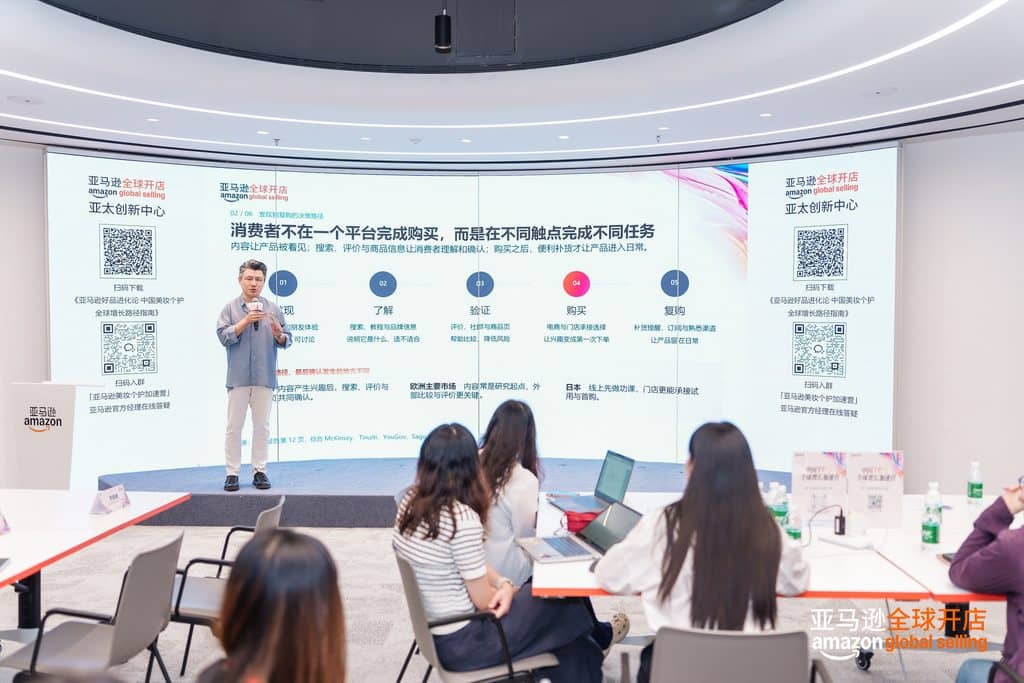
Beauty purchasing decisions increasingly unfold across multiple platforms. Social media and creators introduce products, while search engines, online communities and customer reviews help consumers evaluate them before making a purchase.
For emerging Chinese brands, this means that a product’s technical advantages must be translated into benefits consumers can understand and verify.
Chinese hair technology brand Laifen offers an example. Its high-speed hair dryers incorporate advances in motor technology, airflow and design, but those specifications alone may mean little to a consumer unfamiliar with the brand.
According to the white paper, Laifen has worked with technology media, professional hairstylists and content creators representing different hair types to demonstrate its products and explain their benefits.
Professional expertise helps establish credibility, while practical demonstrations show consumers how the technology performs in everyday use. Product information and customer reviews offer further reassurance as shoppers approach a purchase.
Clare Hennigan, a US-based analyst at Mintel, similarly identifies efficacy and scientific credibility as important influences on American beauty purchasing decisions. Clinical research, expert partnerships and ingredient quality can help consumers assess whether a product justifies its price.
The challenge varies by market. In Japan, where unfamiliar skincare brands can face greater scrutiny, product suitability, safety and existing customer reviews are particularly important.
Kaori Kawabata, a Japanese analyst at Mintel, observes that some Japanese consumers are gravitating toward simpler, more time-efficient skincare routines. For overseas brands, this creates opportunities for products that address practical needs without adding unnecessary complexity.
Across markets, trust depends on more than a compelling product claim. Consumers also consider the reliability of delivery, customer service and returns, particularly when purchasing from a brand they have not tried before.

What Happens After the First Purchase?
For beauty and personal care brands, repeat purchasing is an important indication of whether a product has met consumer expectations.
According to the white paper, replenishment is among the most frequently cited reasons for repeat beauty purchases in the United States, the United Kingdom and Germany.
Post-purchase behavior also provides brands with insights that can inform product development. Customer reviews, returns and complaints may reveal problems that were not apparent during initial testing.
Chinese beauty brand PHOFAY offers a case in point.
During its first year on Amazon, the brand generated nearly $2 million in sales, with its best-performing product reaching fourth place in a bestseller ranking within its subcategory.
After entering the US at-home body care market, PHOFAY began identifying recurring concerns in customer reviews. Consumers reported burning sensations, incomplete hair removal, insufficient product quantities, unpleasant odors and difficulties using spray nozzles.
The company passed this feedback to its product managers, who worked with manufacturing partners to adjust formulations and packaging.
The process took approximately three to six months. But the upgraded products subsequently received positive customer reviews.
PHOFAY’s experience illustrates how China’s manufacturing capabilities can support international growth when combined with direct consumer feedback. Rapid product development becomes particularly valuable when brands can identify and address problems that emerge through actual use.
A packaging complaint may reveal a mismatch with local usage habits, while feedback about texture or scent can point to preferences that differ from those in the domestic market. For brands, responding to these details can be as important as introducing new products.
Building Loyalty Through Consumer Understanding
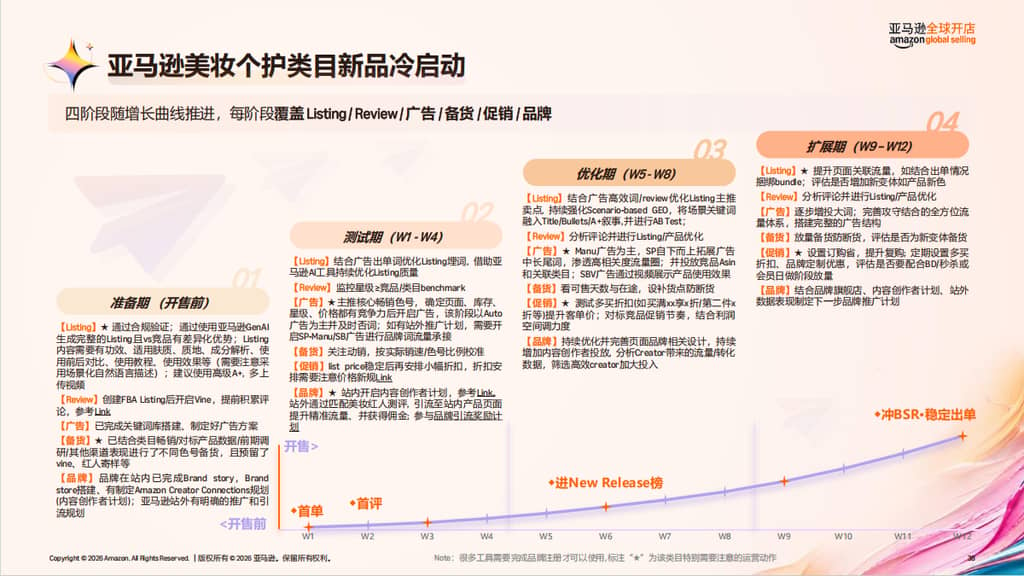
Amazon Global Selling proposes a 12-week product launch framework that connects market validation, sales performance and customer feedback with decisions about further product and inventory investment.
The approach encourages brands to treat international expansion as an ongoing process of testing and refinement rather than a one-time product launch.
For Chinese beauty companies, this creates an opportunity to apply their established strengths in manufacturing and product development to the needs of consumers in different markets.
Laifen’s experience shows how product capabilities can be communicated to unfamiliar audiences, while PHOFAY demonstrates the value of bringing post-purchase feedback back into product development.
Together, they illustrate a challenge increasingly central to C-beauty’s international ambitions: winning the first purchase matters, but lasting growth depends on giving consumers a reason to return.