
The luxury industry’s attention is once again turning toward the East. This time, however, China is not being discussed merely as a consumer market.
Last November, Kering announced the launch of House of Dreams, a new investment initiative designed to pursue long-term equity investments through both minority and majority stakes. The initiative will focus on three areas: experiential technology, Indian craftsmanship, and—most notably—Chinese brands driven primarily by cultural value. During a 90-day pilot phase, selected projects will be supported with seed funding and dedicated teams, although specific investment figures have not been disclosed.
In internal communications, Kering CEO Luca De Meo described House of Dreams as a key component of the group’s strategic roadmap. While restoring growth across Kering’s existing brand portfolio remains the immediate priority, he emphasized the need to prepare for the next phase of the luxury industry by exploring new business models, service formats, and geographic markets. De Meo also noted similarities between this mechanism and the approaches adopted by LVMH and L’Oréal in recent years—namely, taking long-term equity positions and leveraging group-level resources to support emerging brands, with the aim of reinforcing the group’s own growth logic over time.
Why Kering Is Looking Beyond Scale
Despite early signs of recovery at Gucci following Demna’s appointment, Kering’s broader challenges have not yet been fully resolved. For any luxury group, when growth at a flagship brand begins to slow, identifying the next source of momentum becomes unavoidable. Building a pipeline of future growth has long been a standard strategy for maintaining long-term stability.
In recent years, the growth trajectory of Chinese brands has become increasingly difficult to ignore.
Earlier this year, during a visit to China related to the China International Import Expo, Luca De Meo visited the flagship store of high-end fragrance brand Documents, known as Long Temple, in Shanghai’s West Bund. Prior to this, LVMH chairman Bernard Arnault had visited Songmont and Laopu Gold, while executives at Richemont publicly stated that they were closely monitoring the performance of domestic Chinese gold brands.
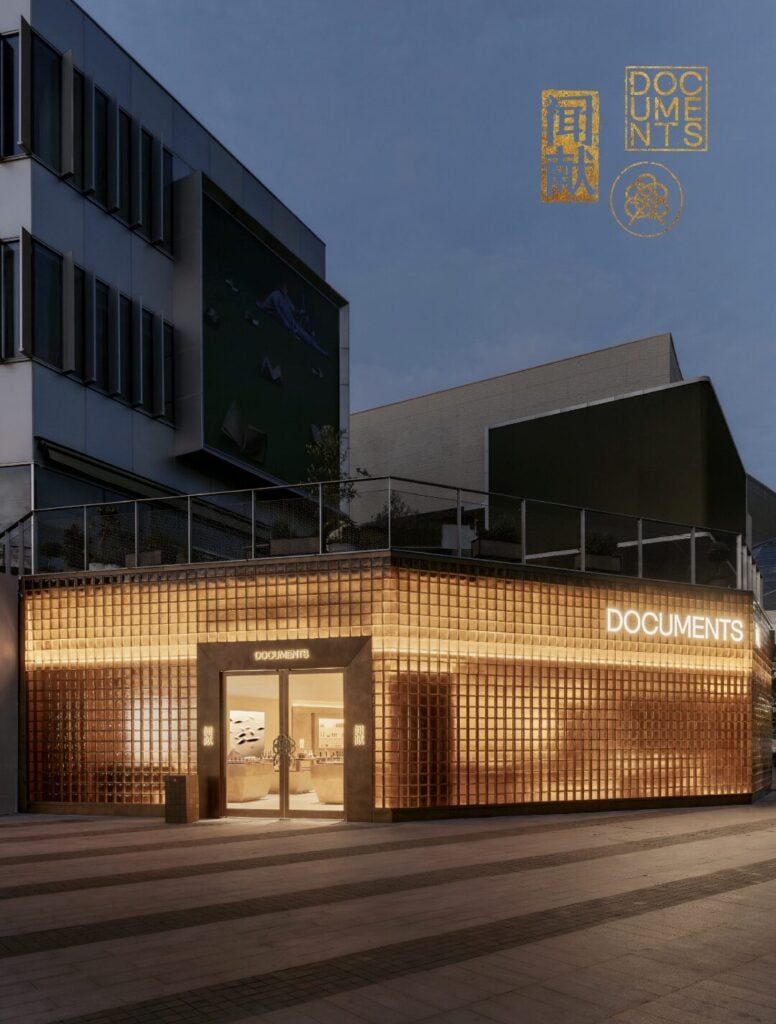
On one level, such visits allow executives to better understand Chinese consumers’ evolving preferences through direct observation. On a deeper level, they reflect a shared recognition: brands such as Laopu Gold in jewelry, Songmont in leather goods, and Documents in fragrance have all demonstrated growth trajectories that exceed market expectations.
This suggests a shift in consumer behavior. Chinese consumers are increasingly willing to pay a premium for narratives and cultural expressions developed by domestic brands themselves. As a result, luxury groups are beginning to confront a new competitive structure—one that originates within China and possesses independent market strength.
Culture Is Becoming a Competitive Advantage
This moment presents a meaningful window for Chinese brands to articulate their value beyond the domestic market.
For a long time, discussions around the global ambitions of China’s fashion and lifestyle industries focused on operational advantages such as supply-chain efficiency, cost competitiveness, or channel strategy. These factors, however, have rarely been sufficient to attract long-term strategic investment. Capital tends to place greater emphasis on the maturity of cultural expression, the coherence of aesthetic systems, and the stability of consumer communities.
As Laopu Gold establishes brand recognition among high-net-worth consumers, as Songmont’s bags develop aesthetic familiarity among younger audiences, and as Documents introduces Eastern philosophy into everyday life through fragrance, the value of Chinese brands is no longer anchored in manufacturing advantages. Instead, it increasingly rests on their ability to sustain cultural expression over time.
This shift begins to redefine the role of Chinese brands within the global industry—from participants in global manufacturing to originators of cultural value. For brands still in a growth phase, such recognition can translate into more comprehensive development paths, including organizational capability and international exposure.
China’s New Generation of Luxury Brands
Many Chinese brands currently attracting attention rely on large-scale cultural narratives. Often rooted in tradition, craftsmanship, or symbolic heritage, these narratives are translated into contemporary brand systems with clear structure and aesthetic consistency. This clarity makes them easier to recognize and easier for both consumers and investors to engage with.
However, reliance on grand narratives also presents limitations. Such frameworks can create distance for consumers from different cultural backgrounds, increasing the cost of understanding. As more brands adopt similar approaches, the risk of homogenization grows, and differentiation becomes harder to sustain.
In this context, alternative forms of cultural expression offer a different perspective. Culture does not have to emerge exclusively from historical depth or formalized traditions; it can also grow out of everyday experiences, local habits, and intimate moments of daily life.
What This Means for China’s Luxury Industry
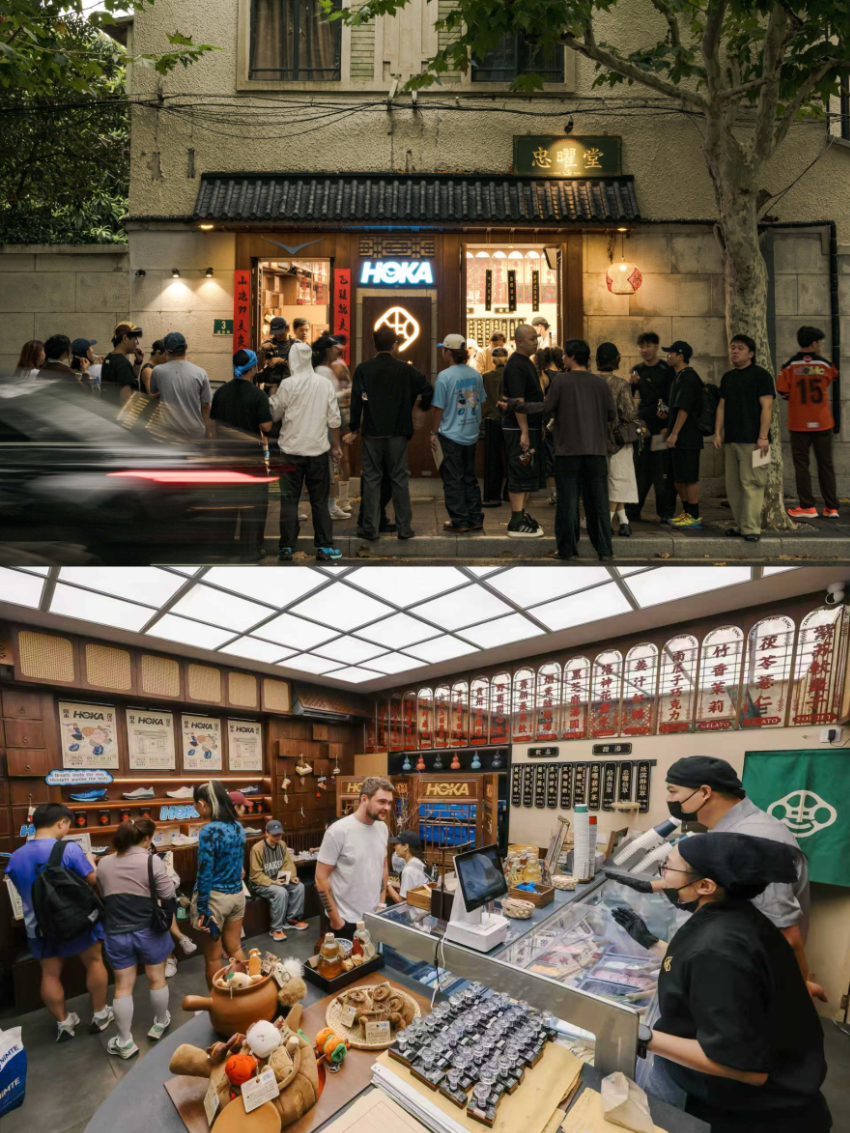
The collaboration between Zhongyaotang and HOKA reflects this approach. Zhongyaotang, a brand focused on modern herbal beverages and light wellness products, does not position itself within formal traditional medicine systems. Instead, it introduces herbal consumption through contemporary dietary and lifestyle scenarios. Its collaboration with HOKA centered on the concept of the “urban runner,” activating pop-up refreshment points along running routes and in commercial districts. Runners could receive post-run herbal drinks, scent-based products, or light wellness items, forming an offline experience designed around everyday athletic routines.
Nike’s short film “Su Shen Liang Tang,” released during China’s National Games, offers another example. Set in a morning wet market in Guangzhou’s Liwan district, the film follows sprinter Su Bingtian as he shops for familiar ingredients—salt, bitter melon, sugar tangerines, chicken, and aged tangerine peel. These everyday items are woven into metaphors for his athletic journey, allowing cultural meaning to emerge through ordinary scenes rather than explicit explanation.
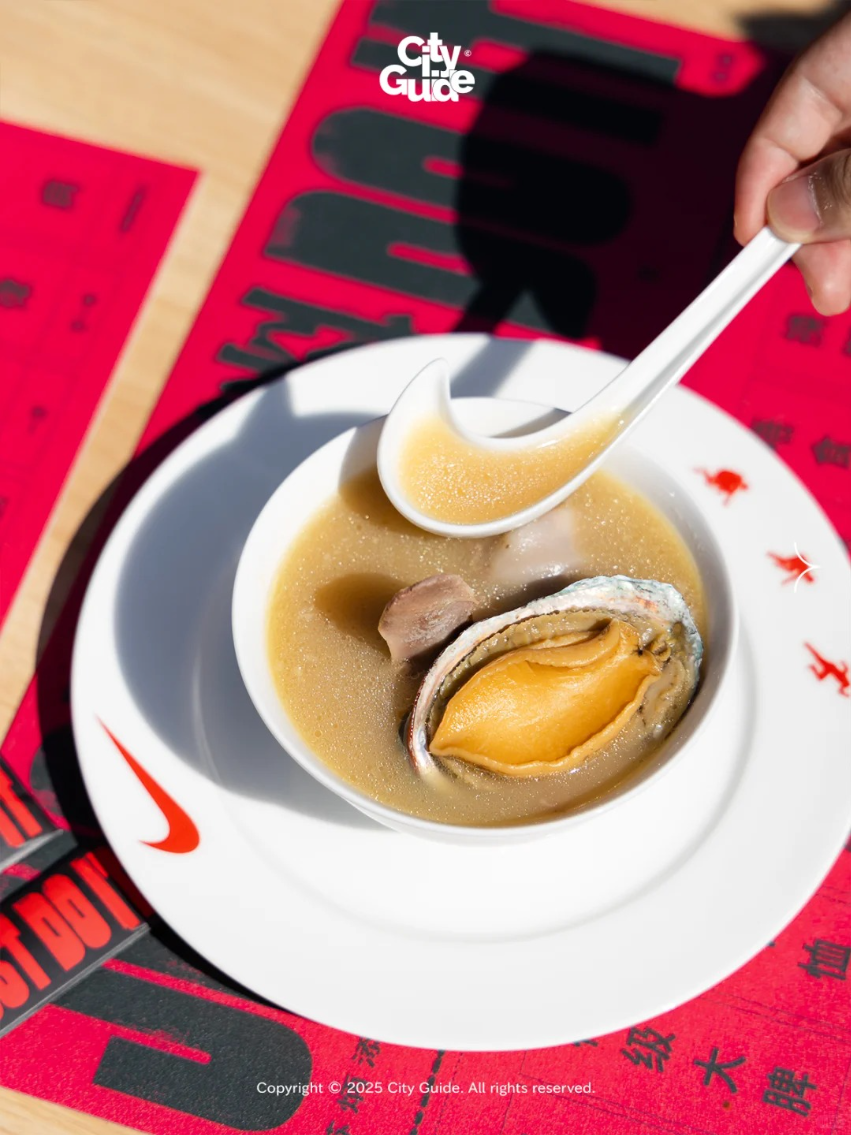
Nike extended this idea beyond film by opening a pop-up soup stall in Guangzhou in collaboration with a local Cantonese restaurant. Runners could exchange recorded mileage for bowls of soup, served in a setting defined by red plastic stools, handwritten menus, and ingredients displayed on countertops—elements deeply familiar within the local urban landscape.
The Next Chapter for Chinese Luxury Brands
As grand cultural narratives become increasingly established, everyday culture offers a lighter yet equally substantive path forward. It lowers the barrier to understanding while retaining emotional resonance, and it allows cultural expression to travel more easily across regions through shared daily experiences.
For Chinese brands, this form of expression is particularly significant. Rooted in contemporary life, it enables cultural narratives to expand outward rather than remain fixed in singular historical frameworks. If grand narratives provide height, everyday culture provides breadth. Together, they form a more complete cultural system.
Against the backdrop of growing interest from international groups such as Kering, this expanding cultural landscape may play a critical role in shaping how Chinese brands build lasting influence in global markets.