
Chinese ceramics have never lacked history. What they have lacked, in the global consumer market, is a clear contemporary proposition.
For many overseas consumers, Chinese ceramics are still understood through familiar extremes: inexpensive industrial tableware on one side, and rare antiques, museum pieces, or collectible art objects on the other. The opportunity now lies in creating vessels that sit outside that binary—objects made for daily use, contemporary in design, reasonably priced, and still unmistakably shaped by Chinese cultural sensibility.
That opening is becoming more important.
On global social media, interest in table styling, tea culture, and slower domestic rituals has made ceramic cups, bowls, plates, and tea vessels increasingly visible. These objects are not only functional. They are also accessible ways for consumers to approach an “Eastern” lifestyle aesthetic through daily use.
Compared with many other categories, Chinese ceramics have a natural advantage in this conversation. They carry cultural memory, material heritage, and everyday utility. The challenge is whether Chinese ceramic brands can turn that foundation into a language global consumers can understand and want to live with.
Why Ceramics Travel Well as a Global Lifestyle Category
Ceramics are both specific and universal.
A tea cup, bowl, plate, or vase can carry associations with place, history, craft, and ritual. But it can also enter daily life without much explanation. A consumer does not need to fully understand a ceramic tradition in order to enjoy the weight of a cup, the color of a glaze, or the atmosphere a plate brings to a table.
This is why vessels often work as entry points into broader lifestyle ideas. They do not ask consumers to buy into culture in the abstract. They offer culture through touch, use, and repetition.
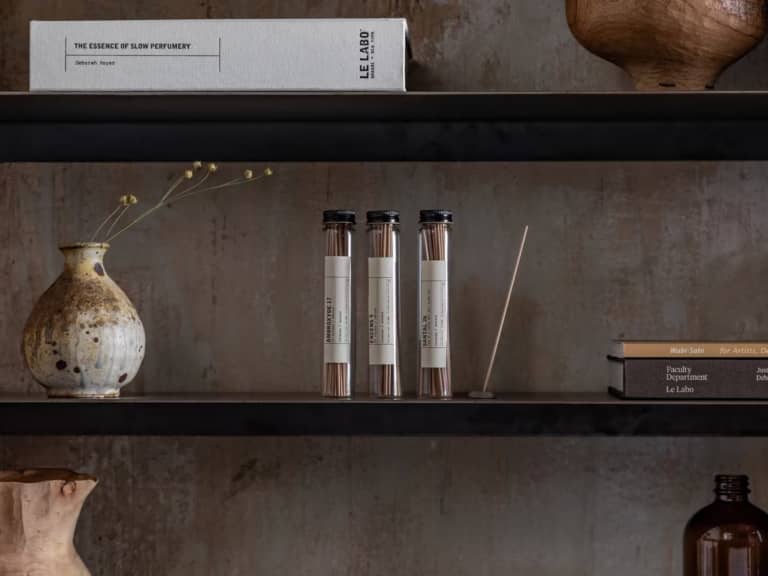
For Chinese ceramic brands, this is a valuable opening. China has historic production centers, skilled makers, a deep material vocabulary, and a long relationship between vessels and tea, flowers, incense, dining, and seasonal living. But these resources alone do not automatically create modern brands.
To understand the opportunity more clearly, Japan and Korea offer two useful comparisons.
Japan’s Ceramic Model: Everyday Beauty as a System
Japanese ceramic vessels have built global recognition through handcraft, small-batch production, and a well-developed philosophy of everyday beauty. Their appeal in China, the United States, and Europe is not only aesthetic. It is also supported by a broader understanding that ordinary objects can carry cultural and emotional value.
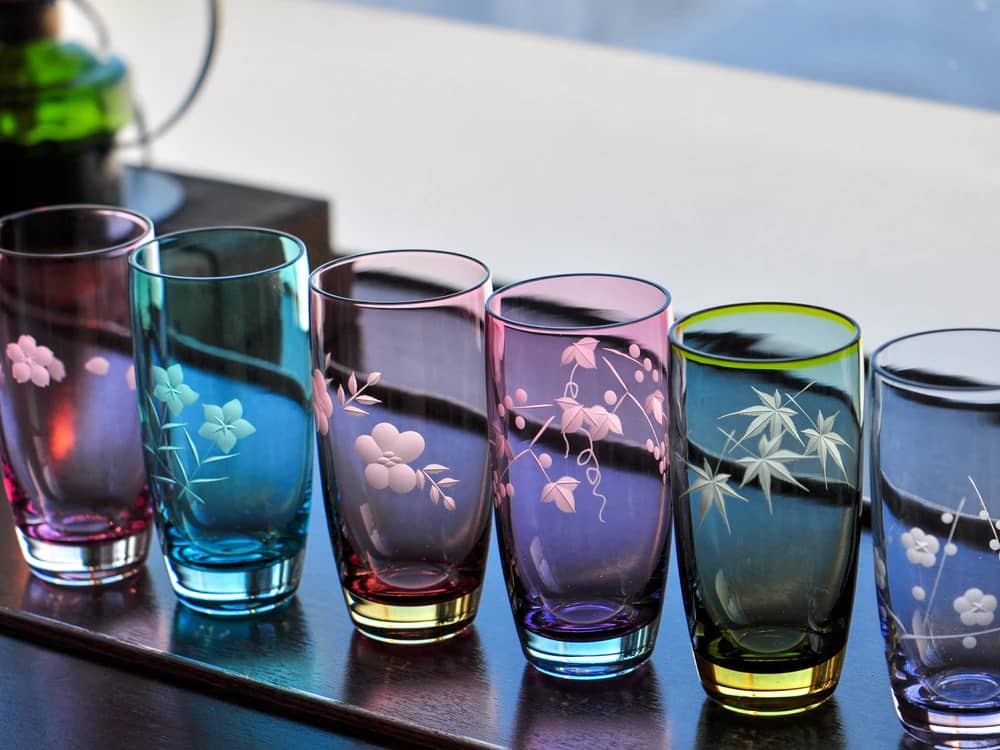
This idea can be traced to Japan’s Mingei, or folk craft, movement of the 1920s. During a period of rapid industrialization, thinkers such as Yanagi Sōetsu redefined the value of daily objects. Rather than treating machine production as the only measure of modern progress, they argued for the beauty of practical, durable, human-centered things.
The result was a lasting framework for understanding vessels not as decorative objects separated from life, but as objects shaped by use, material, region, and the habits of the maker.
Over time, this helped turn Japanese craft into a recognizable system of daily aesthetics. What might otherwise have remained scattered, local, and difficult to explain became a cultural language with its own standards and appeal.
Japan’s regional craft economy has also moved beyond simple retail. In places such as Toyama Prefecture, traditional crafts including glass, metalwork, wood carving, ceramics, and lacquerware are tied to museums, workshops, travel routes, and local hospitality. In this setting, vessels are not just souvenirs. They become a way for visitors to understand regional culture.
The lesson is not that China should copy Japan. It is that craft becomes more powerful when it is supported by a larger ecosystem: language, education, retail, tourism, and a shared belief that daily objects matter.
Korea’s Homeware Model: Lifestyle as a Visual Script
Korean vessel and homeware brands have followed a different route.
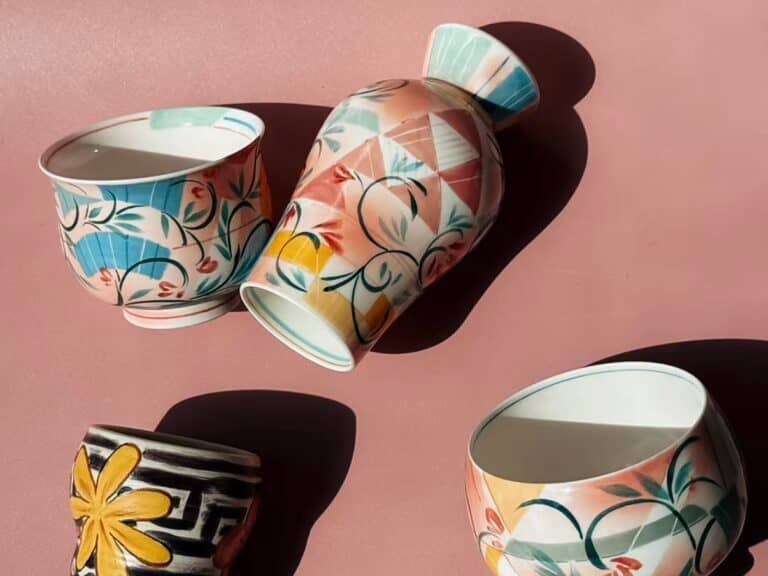
Compared with Japan’s maker-led craft tradition, Korea’s contemporary homeware brands are more closely connected to youth consumption, visual storytelling, and content-driven commerce. Their strength lies in showing consumers not only what to buy, but how the object might fit into a desirable life.
Momur, the homeware brand founded by Korean lifestyle creator Maji, is a useful example. The brand places cups, plates, and vessels inside complete domestic scenes. Rather than presenting a single object in isolation, it presents a room, a table, a meal, and a way of spending time.
That ability to turn atmosphere into purchase reflects Korea’s mature content-commerce logic. Korean consumer brands are skilled at creating a concrete and repeatable image of ideal daily life, then placing products naturally within that image.
As K-pop, K-beauty, and Korean lifestyle content have shaped global familiarity with Korean aesthetics, buying a brand such as momur becomes more than a tableware purchase. It becomes a way to participate in a polished, contemporary version of Korean daily life.

Zhang Ran, co-founder of the Chinese designer vessel store Two&Clay, notes that Japanese and Korean vessels may both sit within a broader Eastern aesthetic system, but their paths to market are quite different. Japan translates tradition into a humanistic everyday aesthetic. Korea turns cultural sensibility into a trend-facing design language suited to global consumers.
For young Chinese consumers, this distinction is meaningful. They appreciate the warmth and restraint often associated with Eastern aesthetics, but they may reject traditional vessels that feel old-fashioned or heavy. Japanese and Korean brands have each found ways to make Eastern sensibility feel current.
For Chinese ceramic brands, the implication is clear: heritage alone is not enough. The market also needs context, and a language of use.
Chinese Ceramic Brands and the Opportunity for Livable Aesthetics
This is where China’s opportunity begins.
The question is not whether Chinese ceramics are globally recognized. They are. The harder question is whether that recognition can become modern consumer brand value.
For daily-use vessels, the strongest opportunity is not nostalgia, nor is it pure craft worship. It is the ability to make Chinese aesthetics feel livable: present in a cup used every morning, a plate placed on a dining table, or a tea vessel that becomes part of a personal ritual.
This does not mean adding obvious traditional motifs to modern products. Nor does it mean turning ceramics into simplified cultural souvenirs. The more compelling task is to translate Chinese cultural temperament into form, texture, proportion, color, and use.
Zhang describes this as the communication of “an Eastern textured life.” The key, in her view, is to translate Chinese ideas through concepts that are broadly human. Brands need to find points of resonance in daily life—tea, dining, rest, hosting, solitude, seasonality—through which Chinese values can be felt rather than merely explained.
At the same time, Chinese vessels need their own standards of aesthetics, craft, and value. Without that system, individual objects may be beautiful, but the category remains difficult to recognize and scale.
Rushanming and China’s Heritage-to-Lifestyle Ceramic Brands
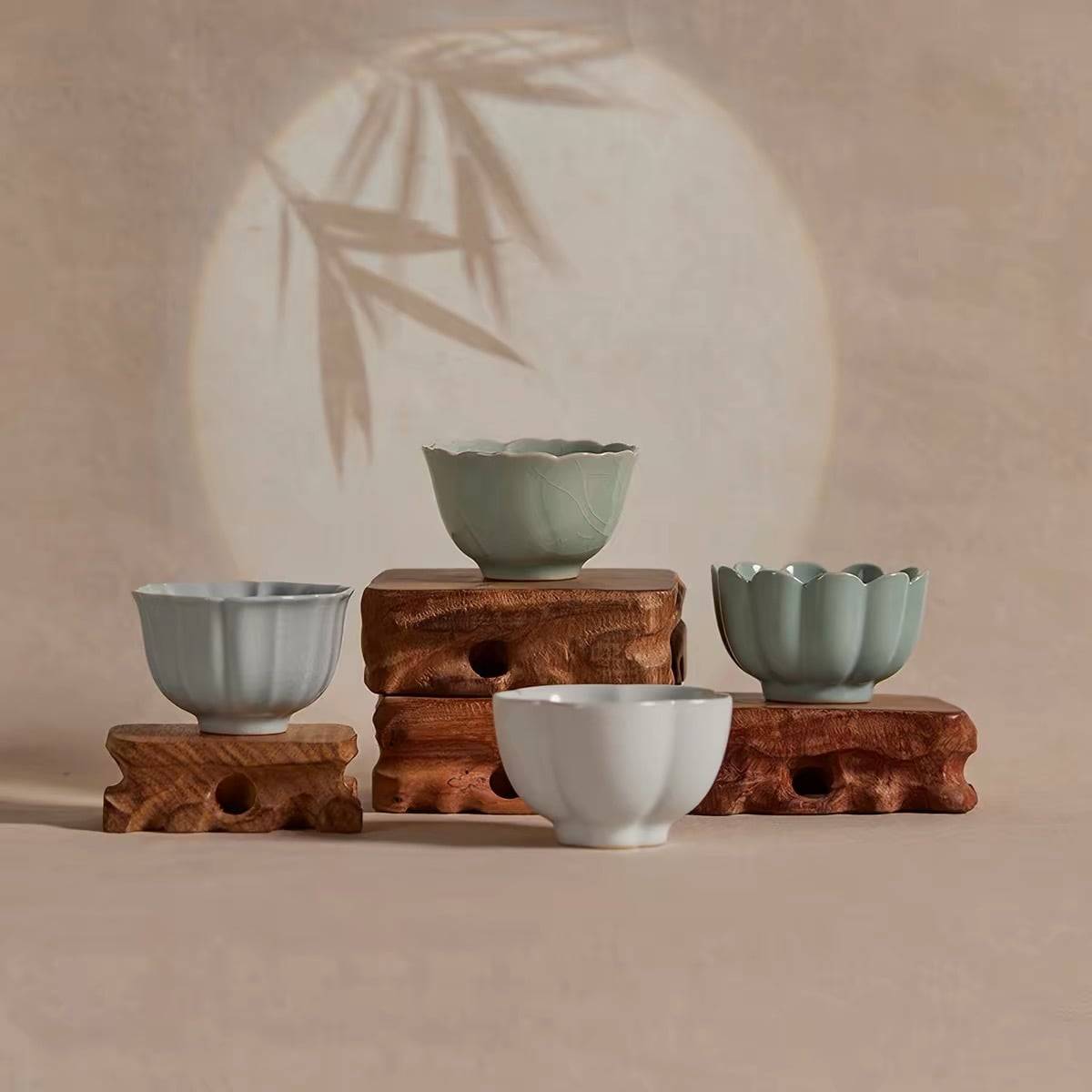
One useful reference point is Rushanming, a contemporary porcelain brand born out of the tradition of ru porcelain (汝瓷) .
Ru ware is one of China’s most historically revered ceramic traditions, closely associated with the refined aesthetics of the Song dynasty. Its appeal lies less in ornament than in restraint: glaze, proportion, surface, quietness, and the relationship between object and ritual.
Rushanming’s relevance is not that it offers a mass-market answer to Chinese ceramics going global. It does not. Rather, it shows how heritage can be treated as a living material language instead of a fixed historical reference.
In that sense, Rushanming points to a broader possibility for Chinese ceramics: history does not have to feel distant from contemporary life. It can be carried through the physical qualities of an object—its glaze, texture, proportion, ritual use, and the way it sits in the hand.
For global consumers, this may be more persuasive than overt cultural symbolism. A cup or vessel does not need to announce “China” loudly to communicate Chinese aesthetics. It can do so quietly, through the experience of use.
What Chinese Ceramic Brands Can Learn From Japan and Korea
When considering Japan and Korea’s different paths, Zhang does not believe China needs to choose one model over the other.
Chinese ceramic brands can learn from Japan’s long cultivation of craft, everyday aesthetics, and cultural patience. They can also learn from Korea’s efficiency in content expression, scene-building, and brand conversion.
For China, the opportunity is not imitation, but synthesis.
“There may be many designer-led handmade vessel brands in China in the future,” Zhang says. “China does not lack a foundation. Our hardware is strong. Eastern aesthetics can all be traced back through Chinese history, and we have extremely strong craftsmanship.”
That foundation is real. China has historic ceramic centers, skilled artisans, production capacity, and deep traditions around tea, flowers, incense, dining, and seasonal living. What remains to be developed is the brand layer: the ability to turn craft and culture into recognizable, repeatable, and internationally understandable value.
From Ceramic Objects to Global Chinese Ceramic Brands
The next stage is brand-building.
For Chinese ceramics to move beyond individual makers and niche appreciation, single works need to become sustainable product systems. That requires series development, stable quality control, and thoughtful price management, so that objects can reach a broader market without losing their aesthetic integrity.
It also requires stronger content, retail display, and consumption scenarios. A brand must help consumers understand not only what the object is, but how it lives: on a table, in a tea room, in a home, during a season, or as part of a daily ritual.
Only then can the personal language of a ceramic artist become a recognizable brand asset.
In recent years, a number of designer vessel brands have begun to appear in China. They retain the voice of the maker while also responding to consumers’ desire to express taste, lifestyle, and cultural identity through objects.
But this is a systemic project. Brands must understand production regions and craft techniques, while also managing retail, content, pricing, logistics, after-sales service, and cross-cultural communication.
Most importantly, Chinese ceramic brands need to recognize that cultural export cannot depend only on traditional symbols. Overseas consumers ultimately encounter a specific object: a cup that must feel good in the hand, a plate that must work on the table, a bowl that must belong in daily life.
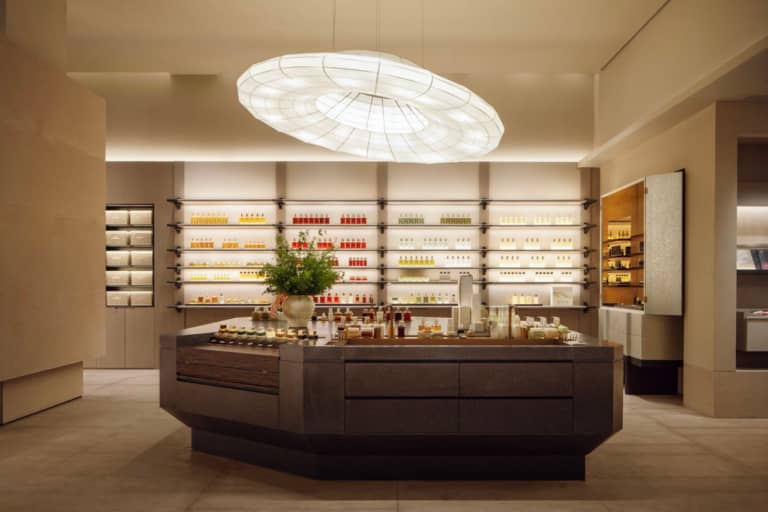
The market around vessels is therefore not simply a business of tableware, tea ware, or handmade ceramics. It connects lifestyle consumption, content platforms, offline retail, cultural tourism, art collecting, and cultural export.
Its full potential has not yet been opened.