
“Helping Chinese folk craft artisans make money from their craft — that is what we want to do,” said Liu Ke.
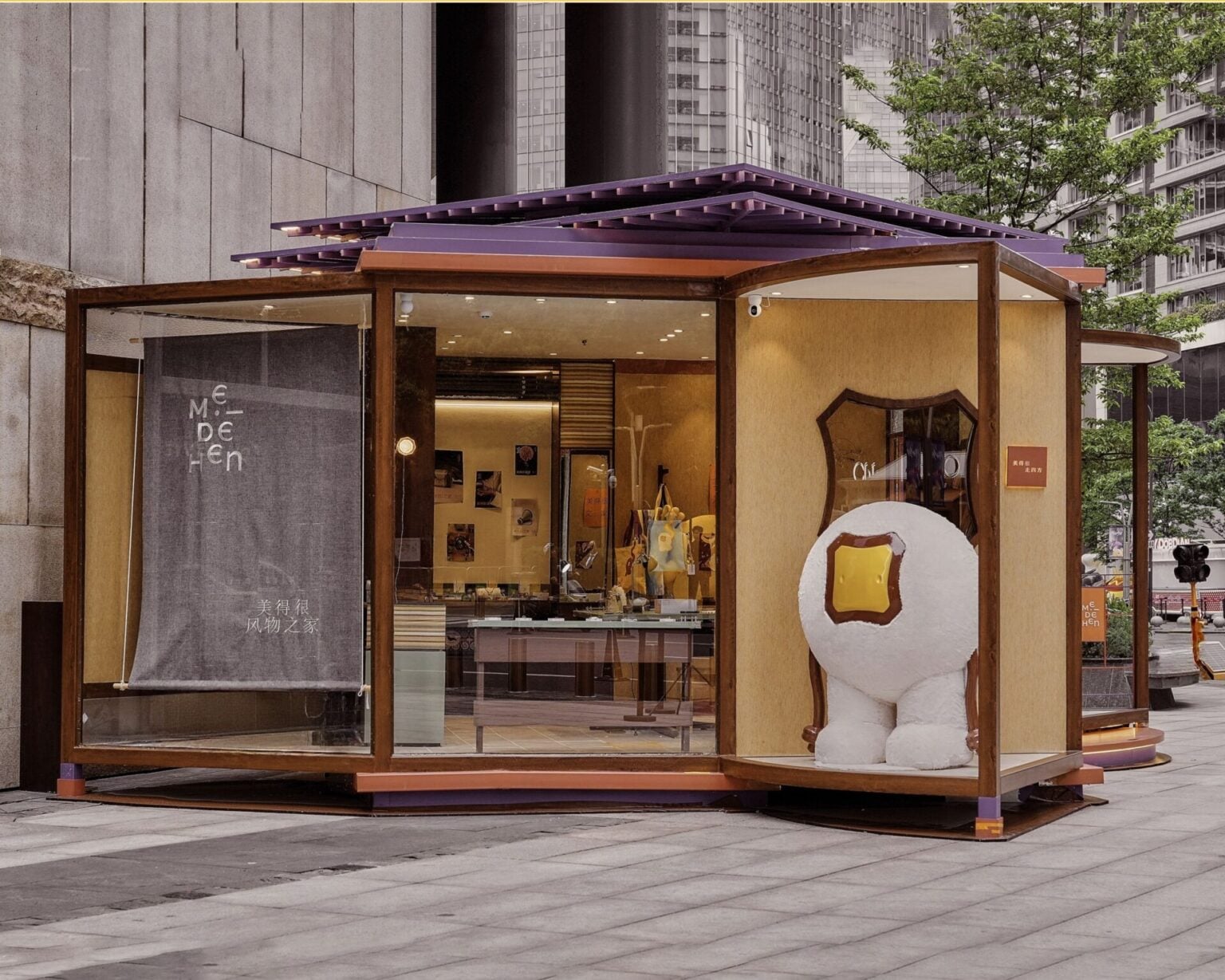
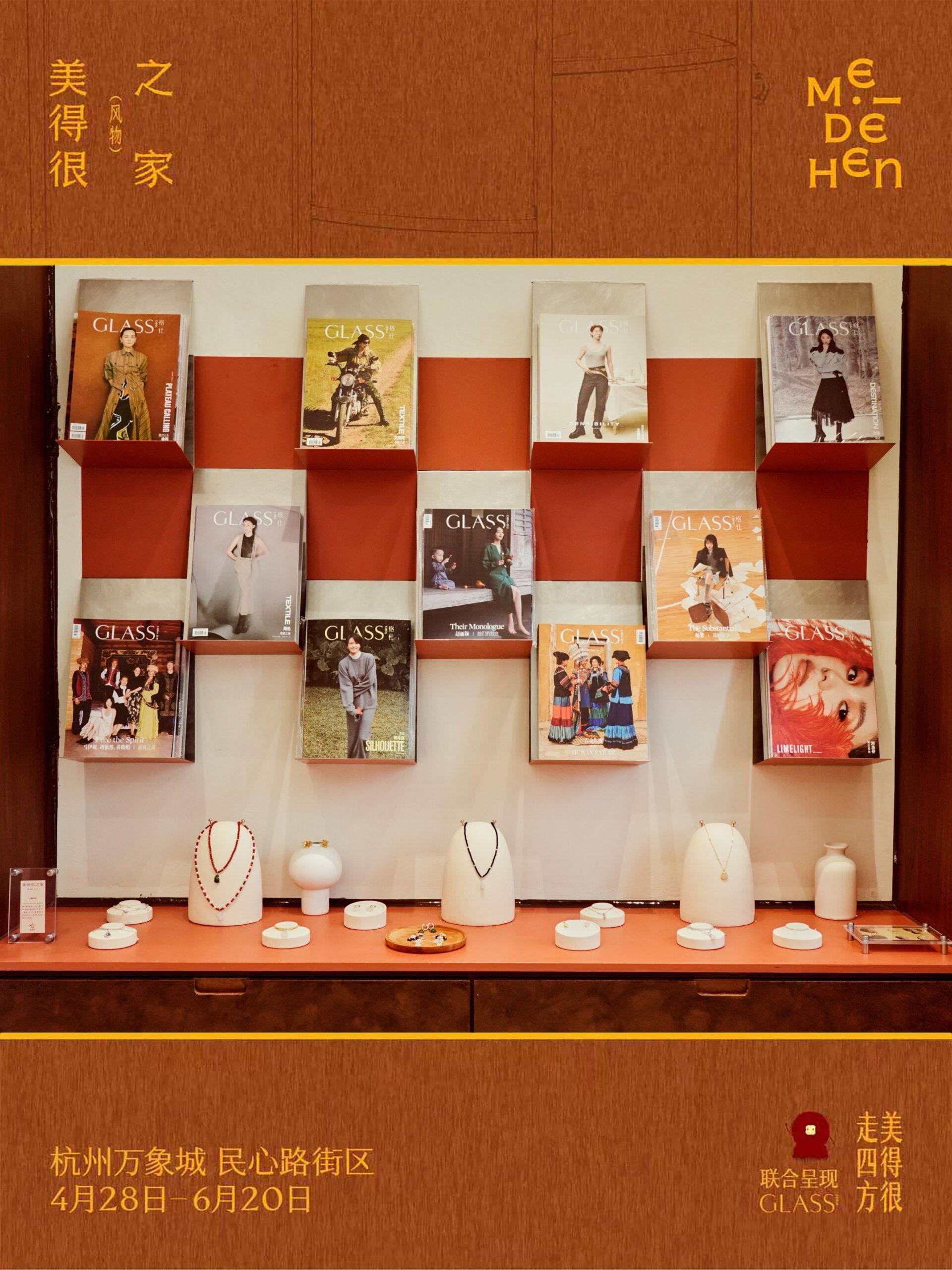
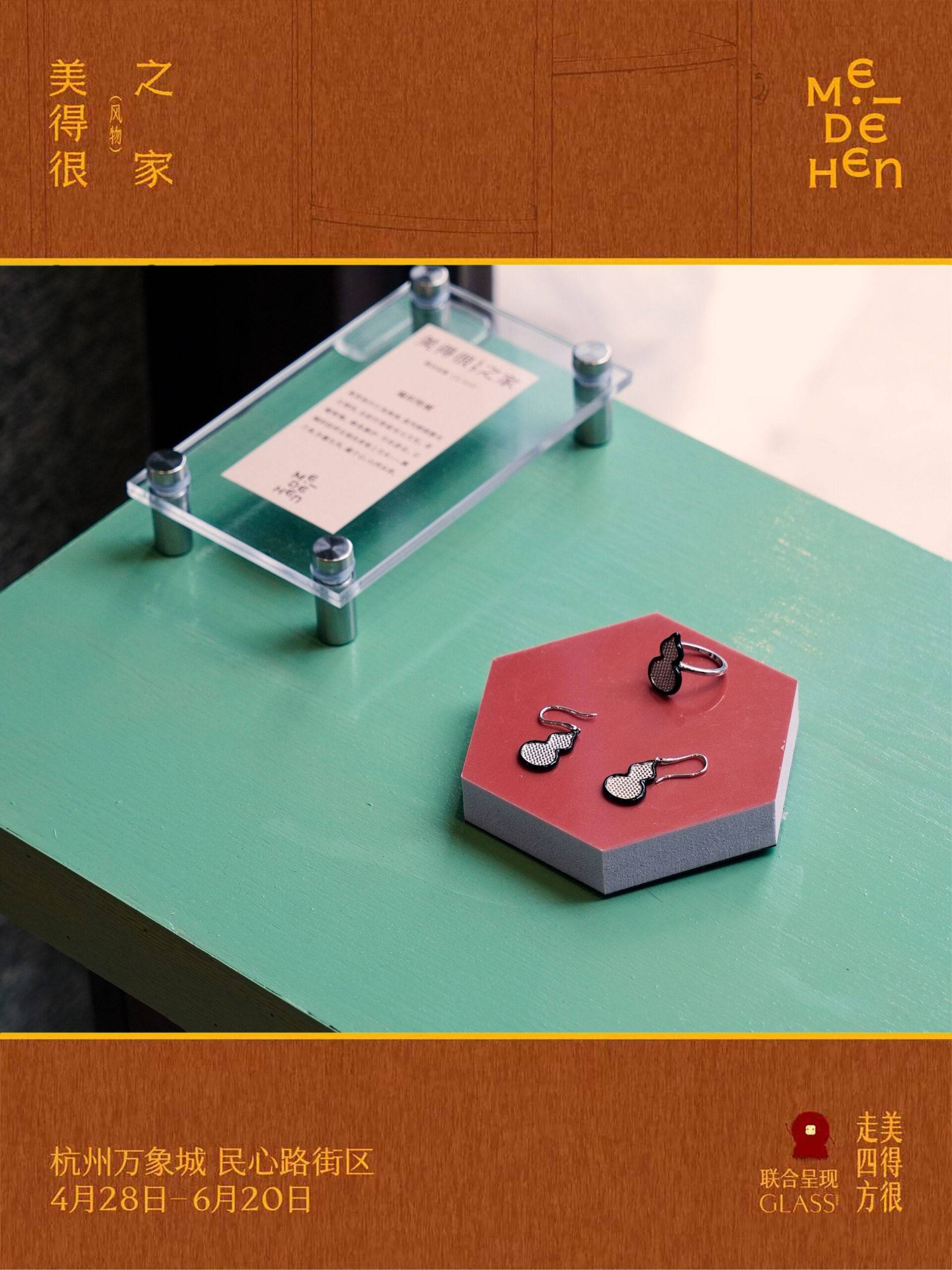
This spring in Hangzhou, a city long associated with Chinese refinement, commerce, and cultural imagination, the accessories brand Meidehen (pronounced made-hen) gave that sentence a physical form. On April 28, the brand opened Meidehen House of Local Craft, its first pop-up concept store in China, located in MixC Hangzhou, one of the city’s leading high-end commercial complexes.
The project arrives at a moment when Chinese brands are increasingly returning to local craft, regional culture, and intangible heritage as sources of identity. Yet the central question remains unresolved: can these traditions move beyond campaigns, exhibitions, and symbolic collaborations to become part of a sustainable consumer economy?
Meidehen is attempting to answer that question not through nostalgia, but through product, retail, and orders.
The Hangzhou space is less a conventional pop-up than an experiment in bringing folk craft into contemporary life. Its spatial concept draws from a zitan wood (red sandalwood) treasure box from the Qianlong period of the Qing dynasty: closed, it is a box that contains many things; opened, each compartment becomes its own world. Meidehen borrows this structure to place handcrafts from different Chinese regions side by side, allowing them to move beyond the role of cultural display and re-enter the present through design.
For folk craft, appearing inside a top-tier commercial retail destination such as Hangzhou MixC is itself a significant crossing.
Over the past few years, as narratives around traditional culture and intangible cultural heritage have spread across China’s consumer industries, folk craftsmanship has gained unprecedented visibility. It now appears frequently in brand campaigns, cultural events, destination projects, fashion collaborations, and local tourism initiatives.
But visibility has not necessarily become consumption.
China’s market is clearly not short of interest in traditional culture. Against a global luxury backdrop in which Western houses continuously emphasize handwork, provenance, and atelier craftsmanship, Chinese brands have also recognized the cultural and commercial value of craft. Yet more than a decade after the rise of guochao — the “China-chic” movement that encouraged renewed pride in domestic aesthetics and cultural identity — why does folk craft still so often remain at the level of appreciation, symbolism, or tourism, rather than entering a wider system of everyday use?
With this question in mind, Jingzhi Chronicle spoke with Liu Ke, founding editor-in-chief of the Chinese edition of Glass Magazine and co-founder of Meidehen, to examine how one brand is trying to rebuild the relationship between craft and commerce.
Why Chinese Folk Craft Struggles to Become a Business
In recent years, “intangible cultural heritage” and “traditional folk craft” have become some of the most easily mobilized terms in Chinese brand storytelling. Exhibitions, collaborations, installations, limited-edition products, and short-term cultural projects have multiplied. Around tradition, a sophisticated communications mechanism has formed: it can create conversation, generate emotional resonance, and quickly strengthen a brand’s cultural image.
Yet the commercial result is often less substantial than the cultural noise suggests.
Why do so many seemingly high-profile heritage projects fail to become stable business models? Why does folk craft still struggle to enter daily consumption? And why have artisans’ incomes and working conditions not changed structurally despite the surge in public attention?
A closer look at current industry practice offers part of the answer. Most brand collaborations with intangible cultural heritage remain one-off projects. Once the campaign ends, the relationship often ends with it. Without stable demand, artisans cannot expand production, hire workers, or invest in long-term training and transmission.
During years of field research, Liu observed another problem. Most workshops still operate on a piece-rate basis. Media exposure and short-term collaborations rarely convert into sustained income. In some cases, they even interrupt production.
“When you go to film or interview them, you delay half a day of their working time, but it does nothing for their income,” Liu said.
It was out of these observations that Meidehen was founded in 2025 by Liu Ke and Long Zijia, founder of the designer jewelry brand CIGALONG.
The name “Meidehen” is a phonetic play on “made here” — meaning, quite literally, “made in this place.” Compared with more grandiose narratives of tradition, the name is direct. It locates the brand in Chinese culture not as abstraction, but as place, material, labor, and people.
Liu describes the ambition as a way to connect the artisan resources accumulated through years of interviews and field visits with existing sales channels. “We wanted to use media as a bridge, connect excellent designers, and translate folk craft through contemporary aesthetics,” she said.
“Helping artisans make money from their craft — that is what we want to do.”
Liu Ke, co-founder of Meidehen
The aim is not simply to represent folk craft beautifully. It is to change the commercial conditions in which craft exists — and to make that system a sustainable cultural asset for the brand.
From Cultural Exposure to Sustainable Orders
Meidehen’s starting point is practical: if artisans are to benefit from craft, they need orders.
“Mdeidehen continuously develops products and sends stable orders to artisans,” Liu said.
As orders grow, previously fragmented production begins to be reorganized. Capacity is activated. Labor demand increases. At the same time, Meidehen opens parts of its artisan network to other partner brands, recommending craftspeople and workshops so that orders can circulate across a wider collaborative system.
The significance of this model lies in its attempt to move heritage work away from publicity and toward demand.
When production capacity reaches its limit, labor can begin to return. Former workers who had left workshops are called back to resume craft production. Younger family members, including some with overseas education, return home to help communicate with brands, manage commercial expectations, and coordinate production.
As more people enter the process, techniques are not preserved only through individual masters or ceremonial inheritance. They are reproduced through work.
This distinction matters. In many heritage conversations, “transmission” is treated as a cultural duty. Meidehen’s practice suggests that transmission also depends on whether there is enough meaningful work to support it.
The Scaling Problem Behind Folk Craft
The romance of handmade objects often obscures the operational difficulty behind them.
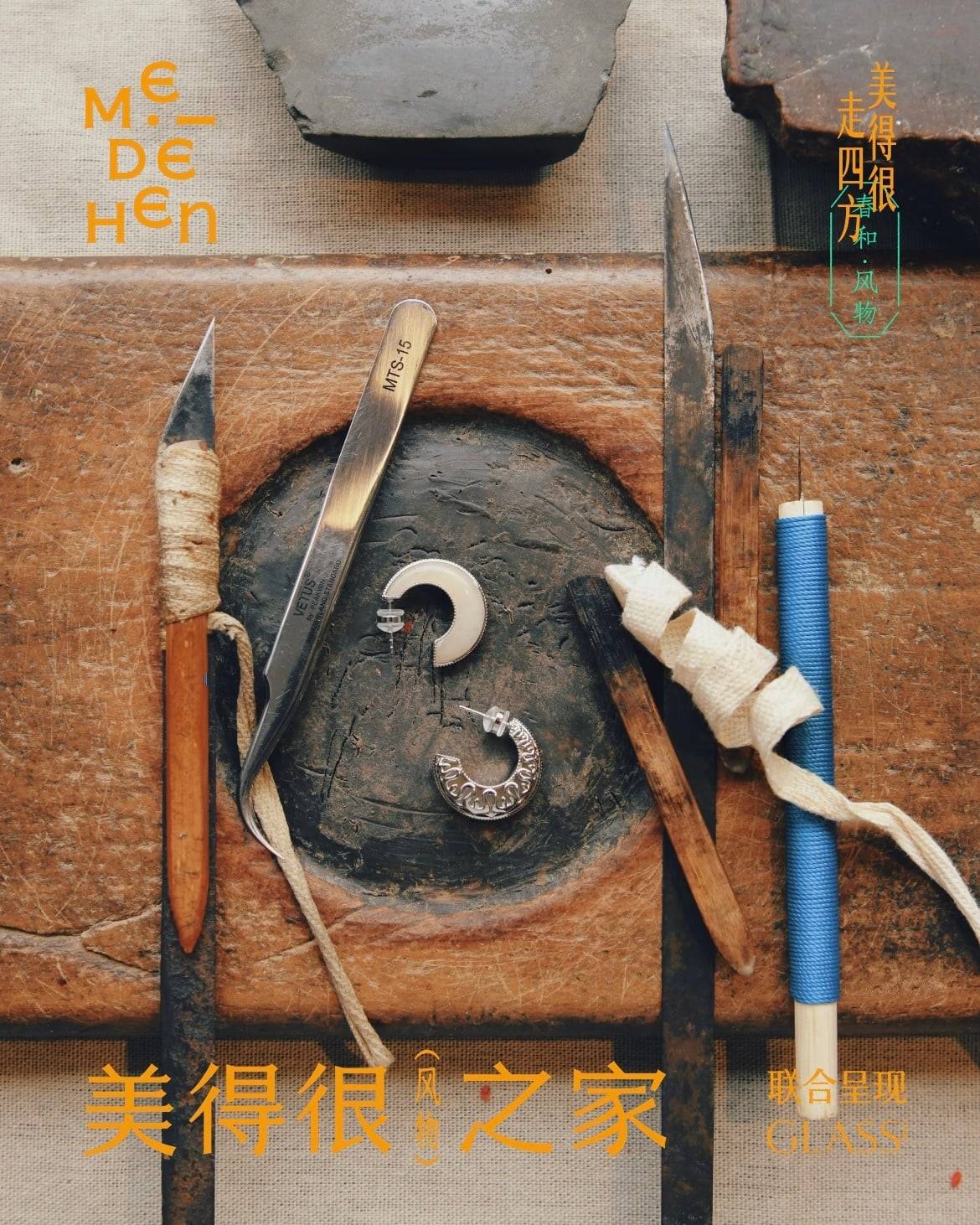
In practice, Meidehen has encountered a series of concrete challenges, especially the lack of standardized production systems. Many artisans have limited experience working with commercial design teams. Design language does not always translate easily into craft execution. Communication costs are high, revisions often require repeated sampling, and production timelines can stretch far beyond conventional retail calendars.
There is also the problem of scale. Between one-off handmade pieces and batch delivery, many workshops lack clear process division, time management, or production documentation. What can be made beautifully once is not always easy to make consistently 100 times.
These issues help explain why folk craft has long remained “collaborable but difficult to scale.” It can appear in brand campaigns and special projects, but it often struggles to enter broader commercial systems.
Meidehen has therefore begun helping workshops establish basic processes. Experience-based making is broken down into more repeatable steps. The brand also acts as an intermediary between partner brands and artisans, supporting the full process from design communication and sampling to production delivery.
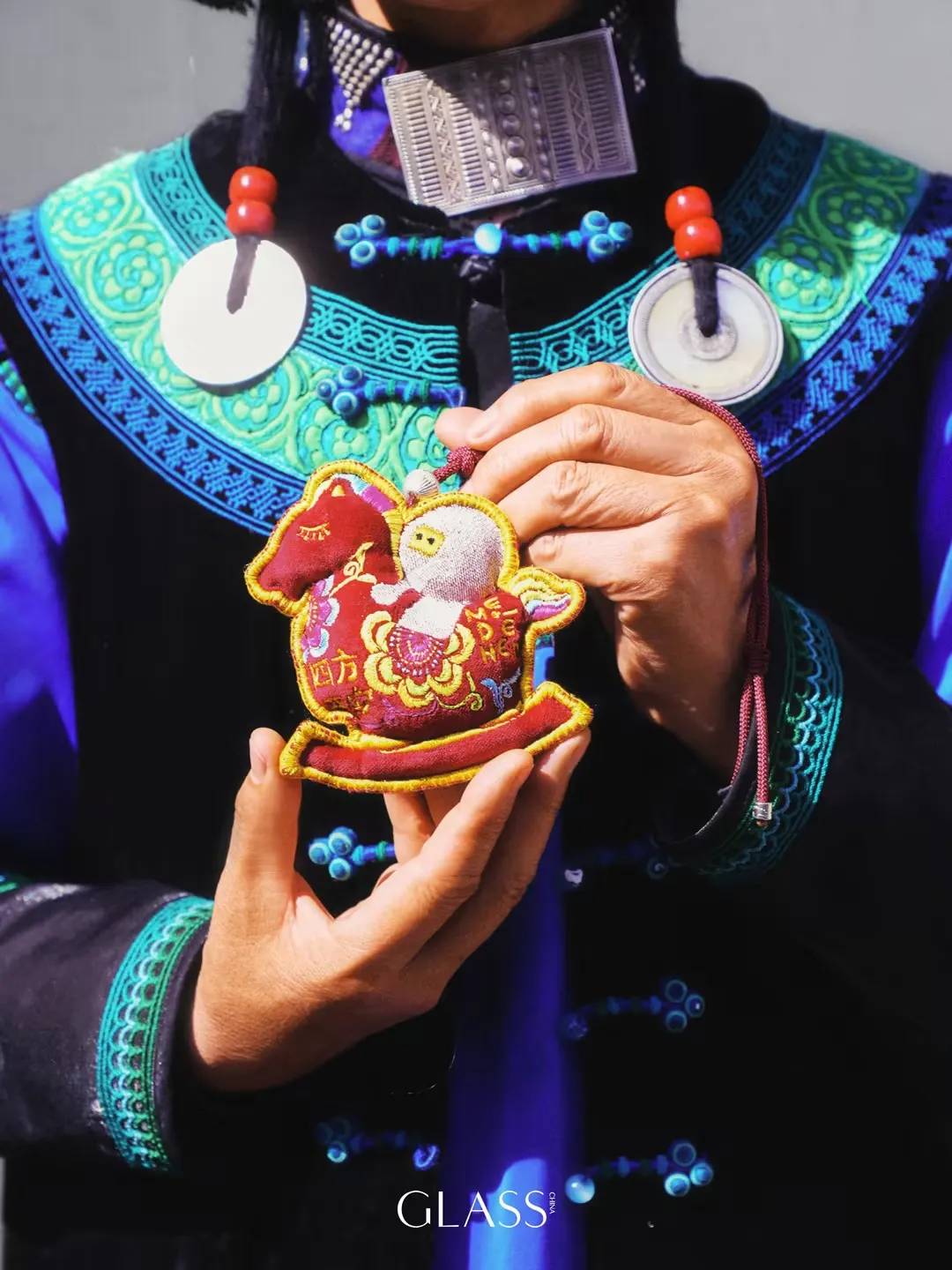
One example is the Yi embroidery rocking-horse sachet.
Yi embroidery is a regional textile tradition associated with the Yi ethnic group in southwest China. Known for its dense stitching, vivid color contrasts, and highly graphic patterns, it has increasingly appeared in fashion weeks, exhibitions, and cultural projects in recent years. Yet, as with many forms of Chinese folk craft, visibility has not automatically solved the harder question of how to turn skilled handwork into repeatable, market-ready products.
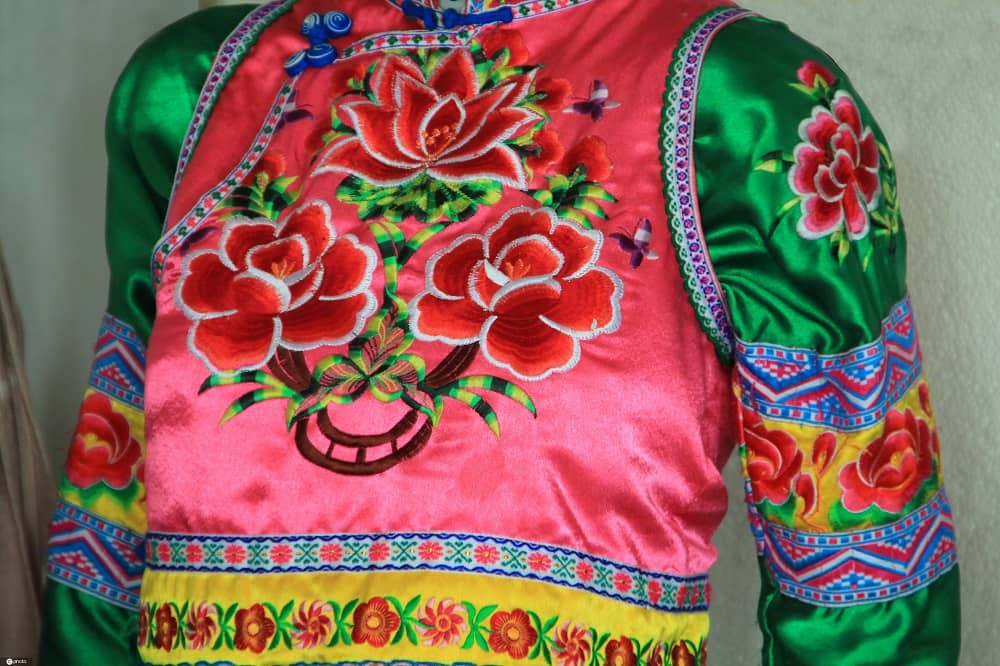
Before Meidehen became involved, Abu Wulin, son of Axi Wuzhimo, a representative inheritor of Yi embroidery intangible cultural heritage, had already begun trying to reorganize the area’s dispersed embroiderers. Under his leadership, the cooperative gradually brought together more than 100 embroiderers, continued to provide embroidery training, and helped bring Yi embroidery into fashion weeks and exhibition settings.
The rocking-horse sachet expanded the cooperative’s boundaries further.
As Liu recalled, Abu Wulin once said that the embroiderers in the cooperative were originally “good at embroidery, but not good at other crafts.” This is precisely where the project became significant. The product required the cooperative to move beyond its familiar role as embroidery maker and engage with the fuller process of developing a design object: repeated sampling, adjustments to form, coordination between different steps, and the eventual completion of the product as a whole.
To realize the rocking-horse project, the team refined the design through more than ten iterations. The final piece, Liu said, was “not perfect,” but it became the cooperative’s first design product in which it had independently completed every production process.
That imperfect breakthrough matters because it points to a larger obstacle facing many folk craft collaborations. Artisans may possess highly refined hand skills, but turning those skills into a repeatable product for the market often requires additional capabilities: interpreting design language, breaking down production steps, managing revisions, and coordinating delivery. The technical problems solved during the rocking-horse project can now be carried into future products, allowing the cooperative to move from executing a single craft technique toward participating in fuller product development.
“The cooperative is like a bridge, connecting embroiderers from neighboring homes, and connecting the mountains with the world beyond,” Liu said.
With Meidehen’s involvement, that bridge is being extended further — not only as a cultural connection, but as a path through which local craft can enter a broader consumer market.
Bringing Folk Craft Into Contemporary Chinese Life
Beyond supply chains and production systems, the question of folk craft’s commercial future ultimately returns to the product itself.
For Liu, one reason folk craft has experienced a break in continuity is that it often lacks an effective connection with contemporary life. “When we travel to Yunnan, we may buy tie-dye or Dai cultural products,” she said, referring to the southwestern province known for its ethnic minority cultures and craft traditions. “But after bringing them home, do we really use them every day? Most of the time they remain travel souvenirs. It is difficult for them to integrate into daily life in first- and second-tier cities.”
Heidehen’s goal is to bring these crafts closer to today’s consumers through design that feels contemporary rather than folkloric.
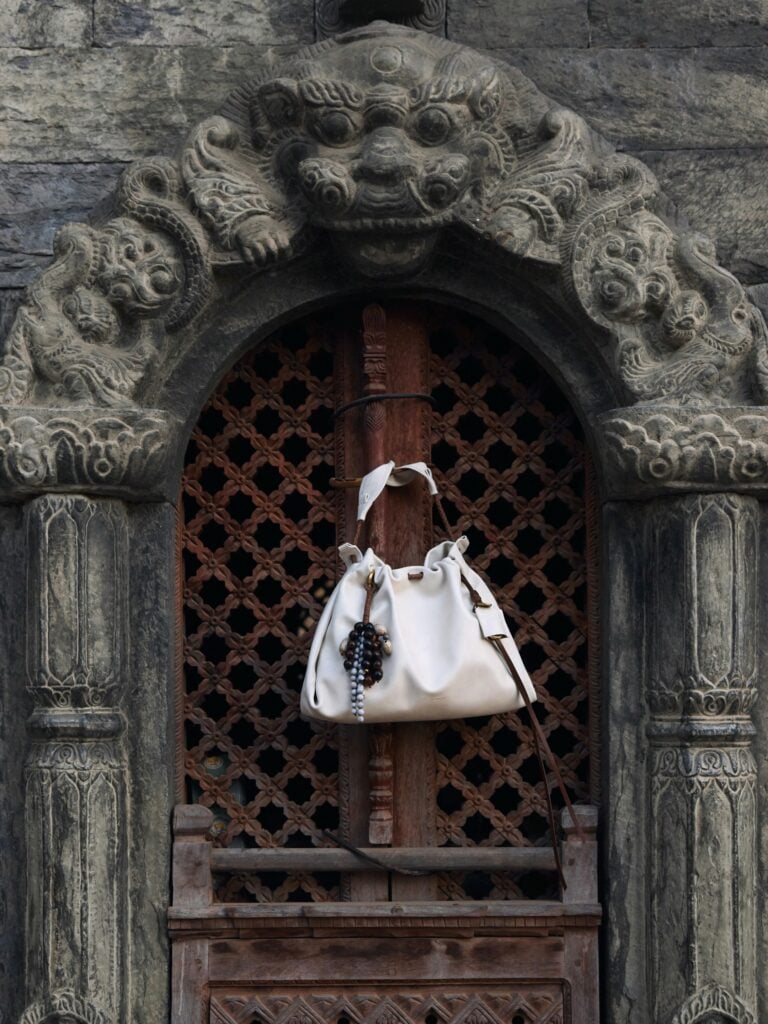
In the brand’s accessories collections, regional Chinese materials and motifs are translated into objects that can be worn in urban life. The Weaving Special Collection takes straw weaving, willow weaving, and bamboo weaving out of their original agricultural contexts and embeds their textures into silver jewelry. The Minnan Special Collection draws from Quanzhou lanterns, traditional house tiles, and swallowtail roof ridges from southern Fujian, translating regional architectural and decorative language into jewelry patterns and silhouettes. The Jade Carving Special Collection, launched in April, reopens the traditional craft of jade carving through a lighter, more playful lens.
These crafts, once rooted in specific local environments and seemingly distant from metropolitan life, are made smaller, more portable, and more intimate.
Meidehen’s cultural and creative product line takes a more casual approach.
The brand created a “Sifang Doll” — literally, a “four-directions doll” — and takes it to different places to acquire new “skins.” In Tibet, it is wrapped in felt. In Beijing, it borrows the expression of Lord Rabbit, a traditional folk figure associated with the Mid-Autumn Festival. In Shanxi, it takes on the colors and patterns of the cloth tiger, a popular folk object often associated with protection and childhood.
“The Sifang Doll travels to different places and puts on ‘skins’ made from local folk crafts, forming bag charms with regional characteristics,” Liu said. “This both displays the craft features of different places and responds to today’s booming ‘doll economy.’”
The “doll economy” refers to the growing popularity of plush charms, collectible figures, and character accessories among young Chinese consumers, especially as bag decorations and emotional objects. By placing regional craft into this format, Meidehen translates local handwork into an object that already belongs to contemporary consumer behavior.
This may be the deeper meaning of the brand’s phrase, “Meidehen, walk the four directions”: craft from different places, accompanying people as they move through the world.
For Liu, the slogan is simple and memorable, but it also carries an aesthetic proposition. It gestures toward the Chinese idea that what appears popular, earthy, or everyday can also possess refinement. Folk craft may come from ordinary life, with all its roughness and practicality, but it is not incompatible with fashion. Objects once placed behind glass in museums or exhibitions can also return to ordinary use.
Designers as Translators of Regional Folk Craft
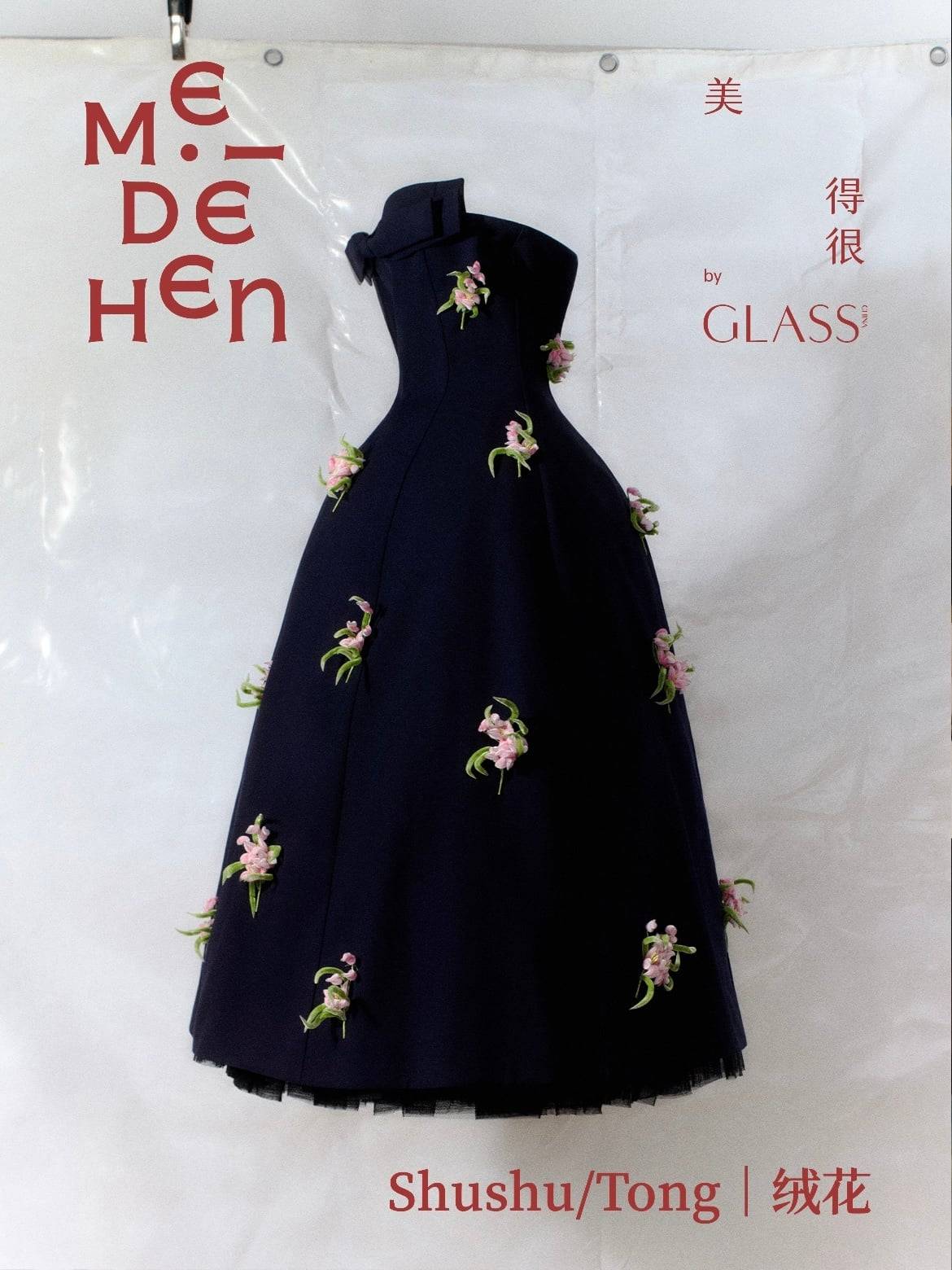
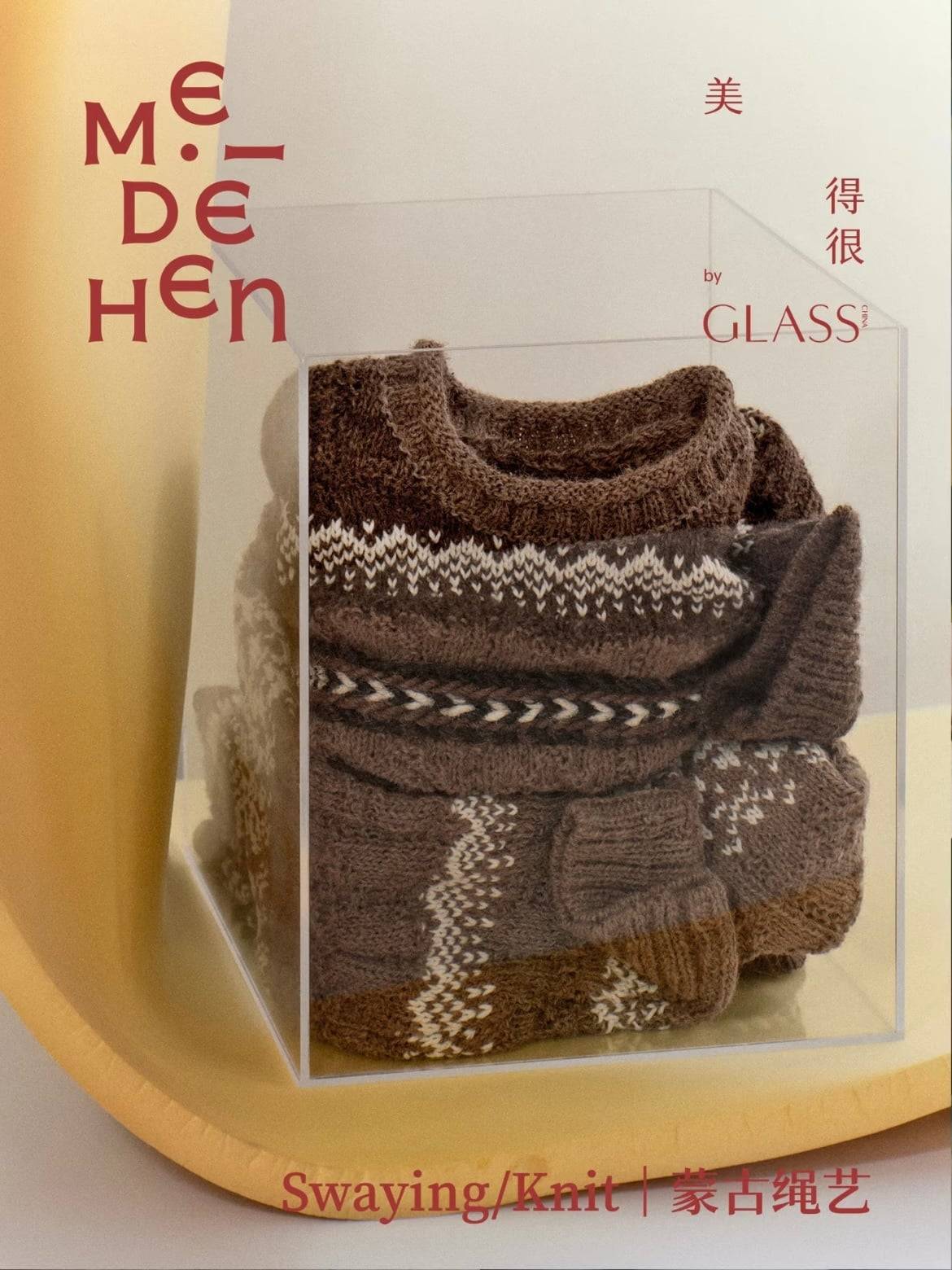
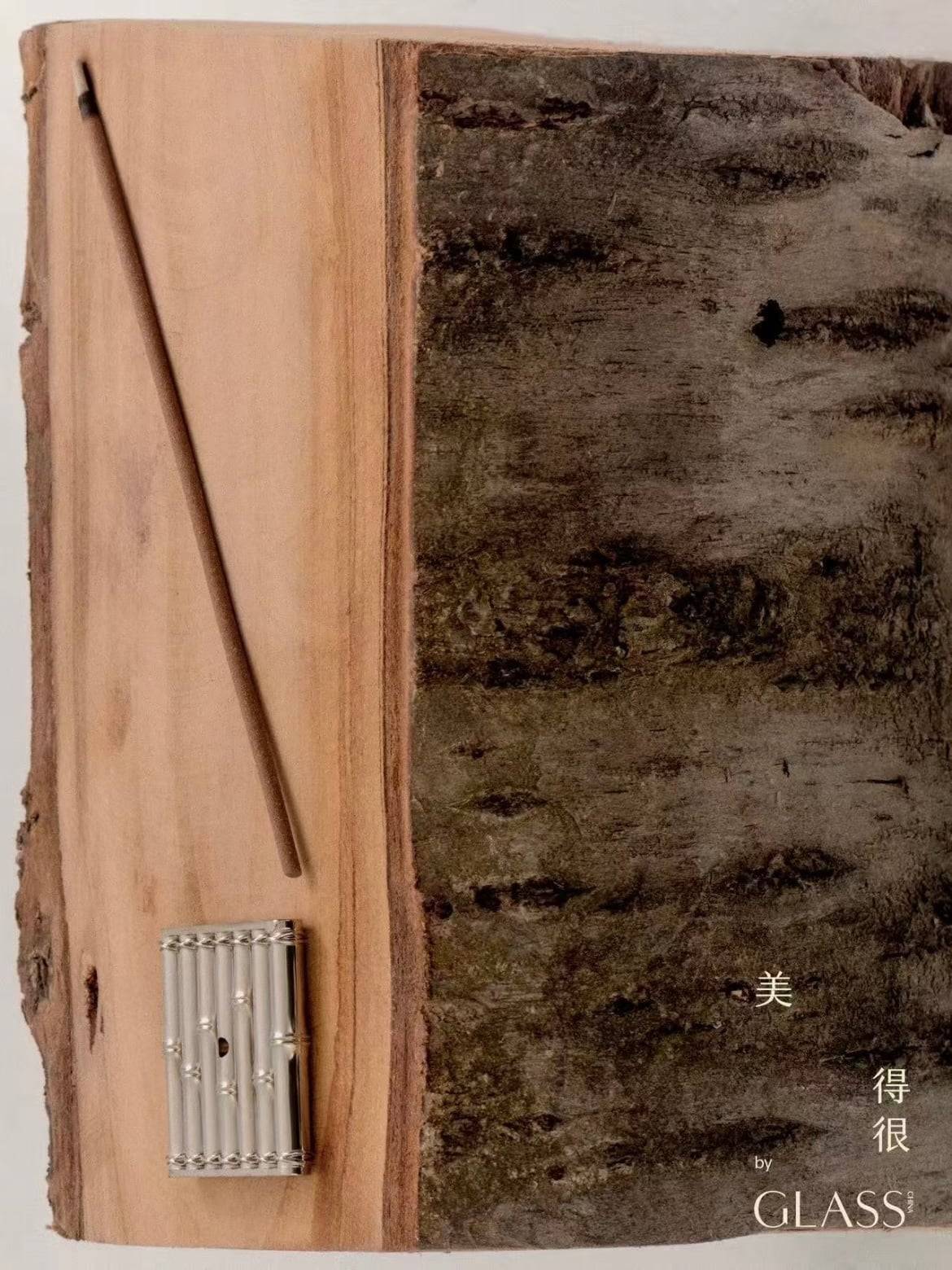
In addition to its two in-house product lines — accessories and cultural objects — Meidehen launched the “Seeking Craft in Six Cities” series last year. The project invited designers rooted in Chinese culture, yet fluent in international contemporary design, to conduct field research into regional craft traditions. After seeing the techniques in person and experiencing the material warmth of the crafts, the designers created new works through their own visual languages.
“We gave the designers full freedom of choice,” Liu said. “In the end, each designer’s selection was closely aligned with their own emotions and style.”
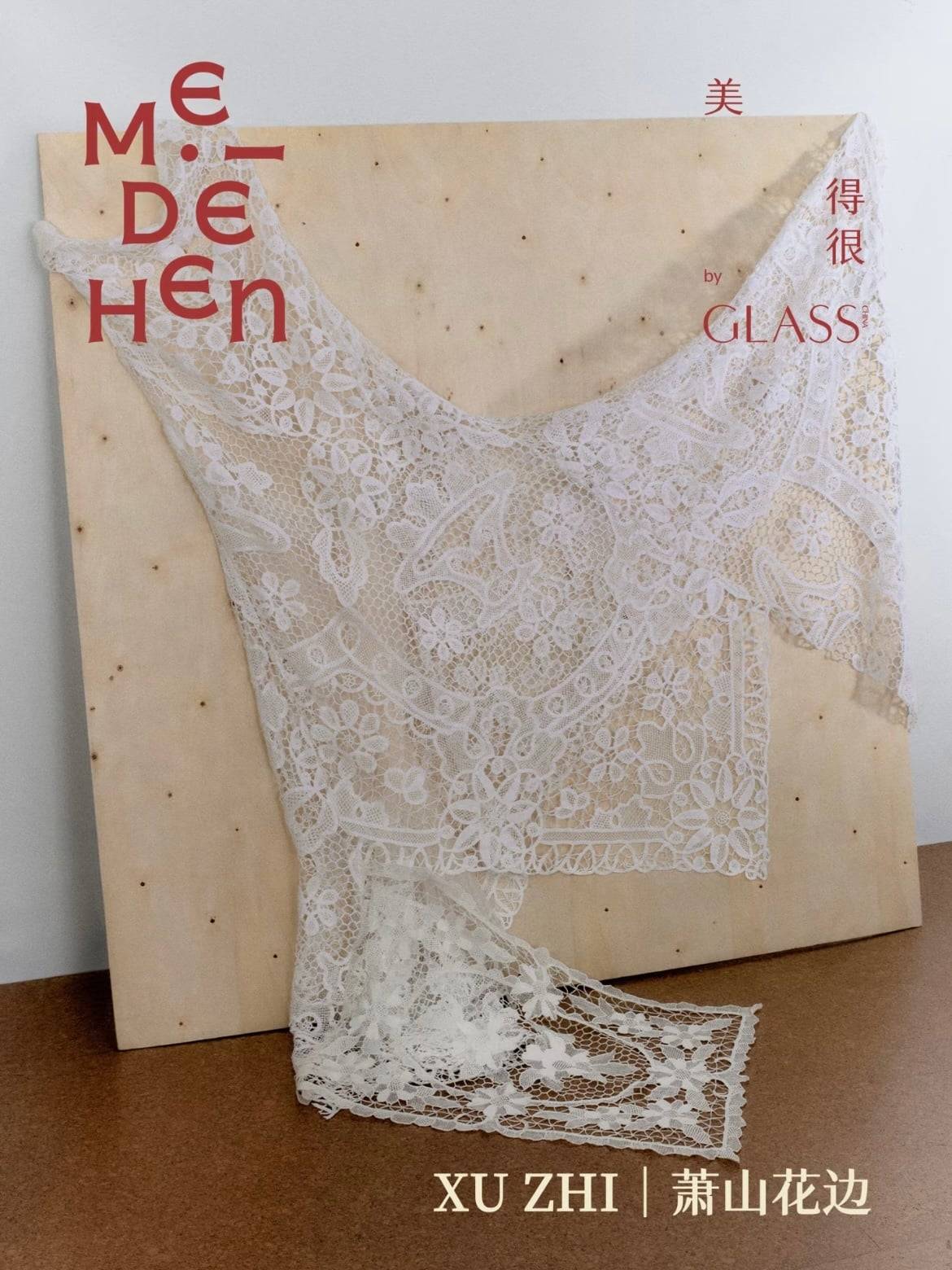
SHUSHU/TONG chose Nanjing velvet flowers, translating the delicate craft into the brand’s romantic visual vocabulary. Feng Chen Wang returned to Fujian and worked with Yongchun incense-making, using technical innovation to move traditional incense from ritual settings into daily life. CIGALONG shifted Beijing jade carving away from traditional large-scale ornaments toward wearable small accessories. Swaying/Knit extracted structures and weaving language from Inner Mongolian rope craft. XU ZHI began with Xiaoshan lace, a childhood memory, and reconstructed it as a contemporary fashion element.
The products later appeared at LABELHOOD’s Leihu House on Shanghai’s Julu Road, a key retail and cultural space associated with China’s independent fashion scene, where they drew strong market interest. Liu said a new edition of the designer craft-seeking series is already underway.
The importance of these collaborations is not only aesthetic. They show how designers can function as translators between regional handwork and contemporary consumer desire. The goal is not to dilute craft into decoration, but to give it a form that can travel.
From Cultural Preservation to Everyday Use
Discussions around folk craft often begin with words such as “protection,” “inheritance,” and “revival.” These ideas remain important, but they can also keep craft at a distance — preserved in museums, staged in exhibitions, or revived temporarily through cultural campaigns.
For Liu, craft needs something more immediate: a place in real life, and a role in real transactions.
Meidehen’s experiment is still young. The brand faces the structural difficulties that have long shaped this field: fragmented production, inconsistent standards, limited capacity, high communication costs, and the challenge of turning cultural appreciation into sustained demand. But its premise is clear. If craft is to survive as a living practice, it cannot exist only as heritage to be admired. It has to become something people use, buy, wear, gift, carry, and return to.
That is why Meidehen’s project matters beyond the products themselves. It reframes folk craft not as a static cultural resource, but as a living system of skills, labor, design, and exchange.
The future of craft may not depend on the grand promise of “revival.” It may depend on something quieter, and more durable: whether someone still wants to live with it.