
At one of the world’s most important artistic fragrance fairs, China’s fragrance industry appeared not only as a growth market, but as a group of key stakeholders entering the global conversation.
For years, when the global fragrance industry talked about China, it usually meant one thing: the market.
The conversation centered on consumer scale, growth potential, channel complexity, and the question of how international brands could enter one of the world’s fastest-growing beauty and lifestyle economies.
At Esxence 2026, that framing began to feel too narrow.
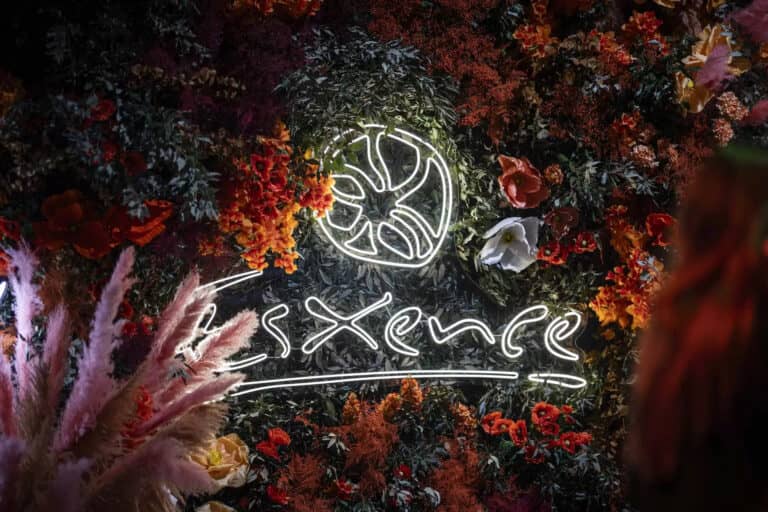
At the 16th edition of the Milan fair, more than 400 brands, 108 debut exhibitors, participants from over 40 countries, and more than 20,000 visitors gathered for one of the most closely watched events in artistic perfumery. Within that setting, China’s presence was difficult to miss.
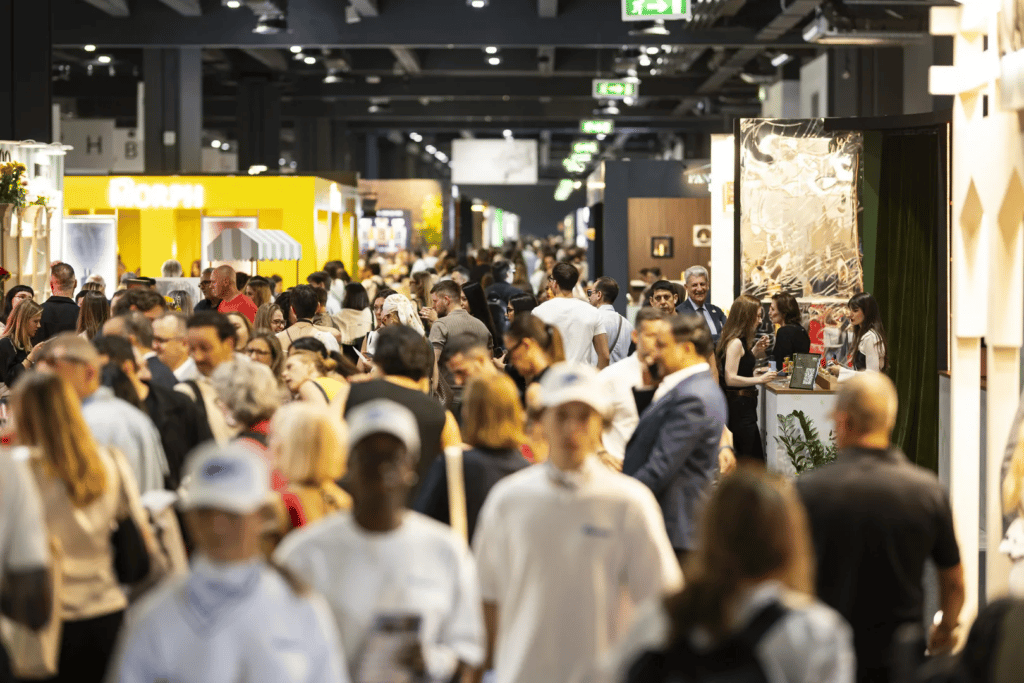
The Italian Trade Agency, an official partner of Esxence, played a central role in bringing Chinese buyers, media, and KOLs to Milan. Their collective presence sent a subtle but important signal: China is no longer only a market being studied by the global fragrance industry. It is beginning to participate in the conversations that shape the future of the fragrance industry.
Chinese Buyers Are Using Esxence as a Research Ground
For Chinese buyers, Esxence is not simply a place to find new brands. It is also a research ground for understanding global trends, Asian creativity, and changing consumer preferences.
Zhan Wei, who oversees operations and marketing for May x Tang in Beijing, came to Esxence with three goals: to identify independent salon fragrance brands that could fit China’s retail system, to observe how Asian scent creators are reinterpreting Eastern sensibility, and to use international olfactory trends as a reference point for product selection in China.
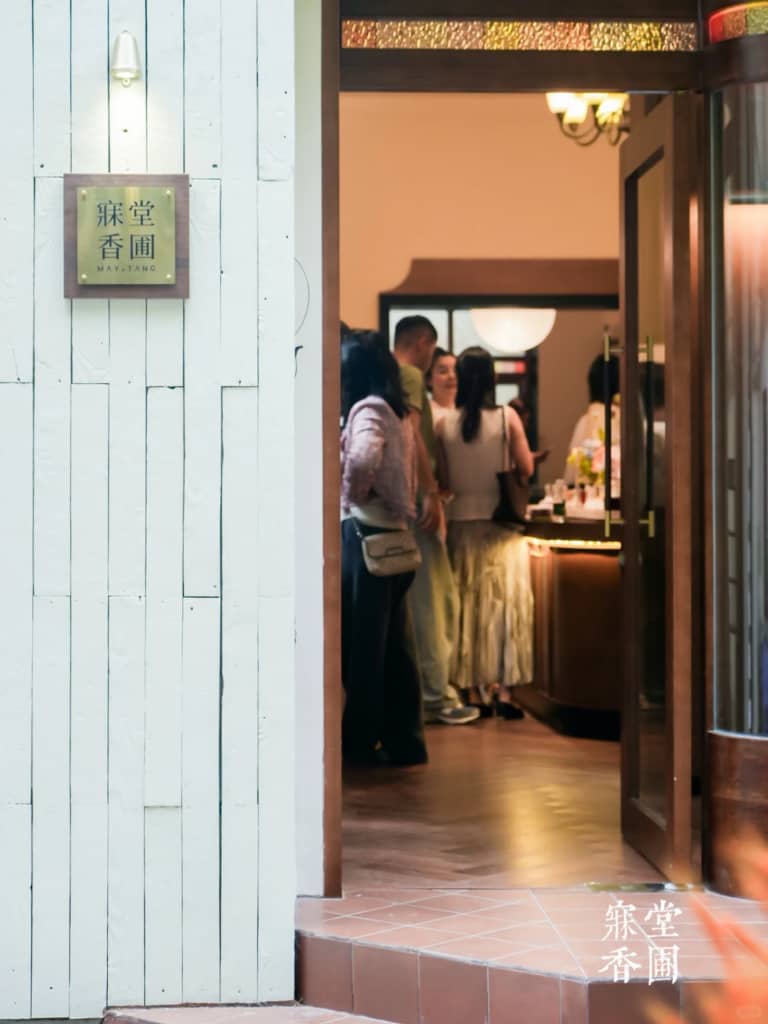
As Zhan put it, the trip was not only about supplementing May x Tang’s portfolio of overseas brands, but also about “observing Asian scent creators” and “calibrating selection for the local market.”
For Chinese buyer stores, bringing global niche fragrance into China is only part of the job. They are also trying to understand how scent travels across cultures, and how Eastern sensibility can be expressed without becoming decorative.
When Zhan evaluates a brand, he looks at three things: wearability, operational durability, and narrative structure.
Can the scent fit into the daily commuting and social lives of Chinese consumers? Does the brand have a steady pace of new launches, strong global channel management, and control over its pricing system? Is there a coherent cultural expression, and is there a recognizable perfumer or creative identity behind it?
For buyers, a brand’s ability to survive in China depends not just on whether it feels new, but whether its scent, story, pricing, supply, and channel support can form a stable system.
Chinese Creators Are Presenting New Olfactory Languages
If Chinese buyers helped place China more firmly on the global fragrance map as a market, a deeper shift is taking place at the creative level.
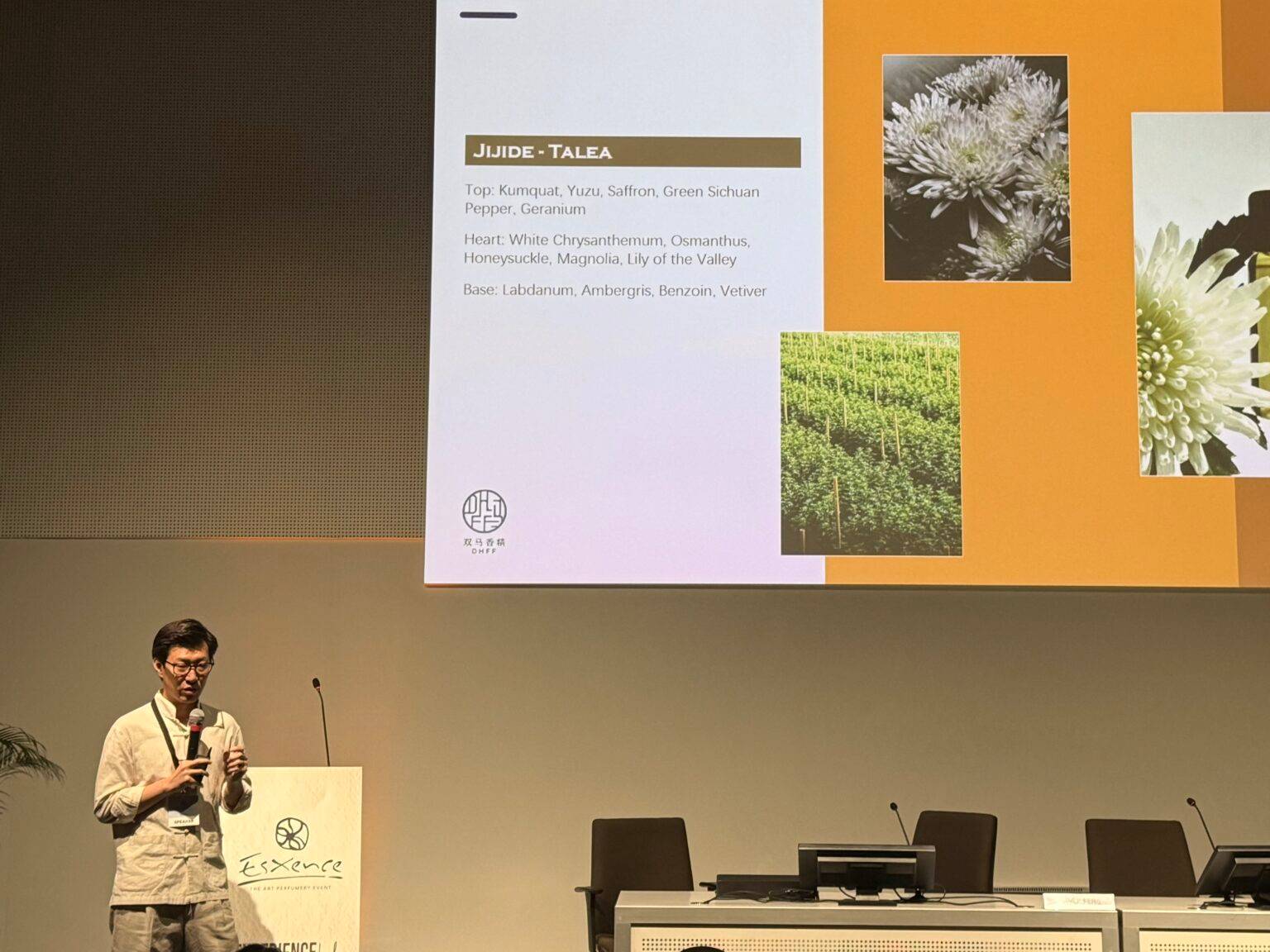
This year, Feng Tianle, perfumer and CEO of DHFF, became the first Chinese perfumer invited to give an in-depth talk on the Esxence stage. His presentation focused on Eastern native aromatic materials and systems of Eastern olfactory expression.
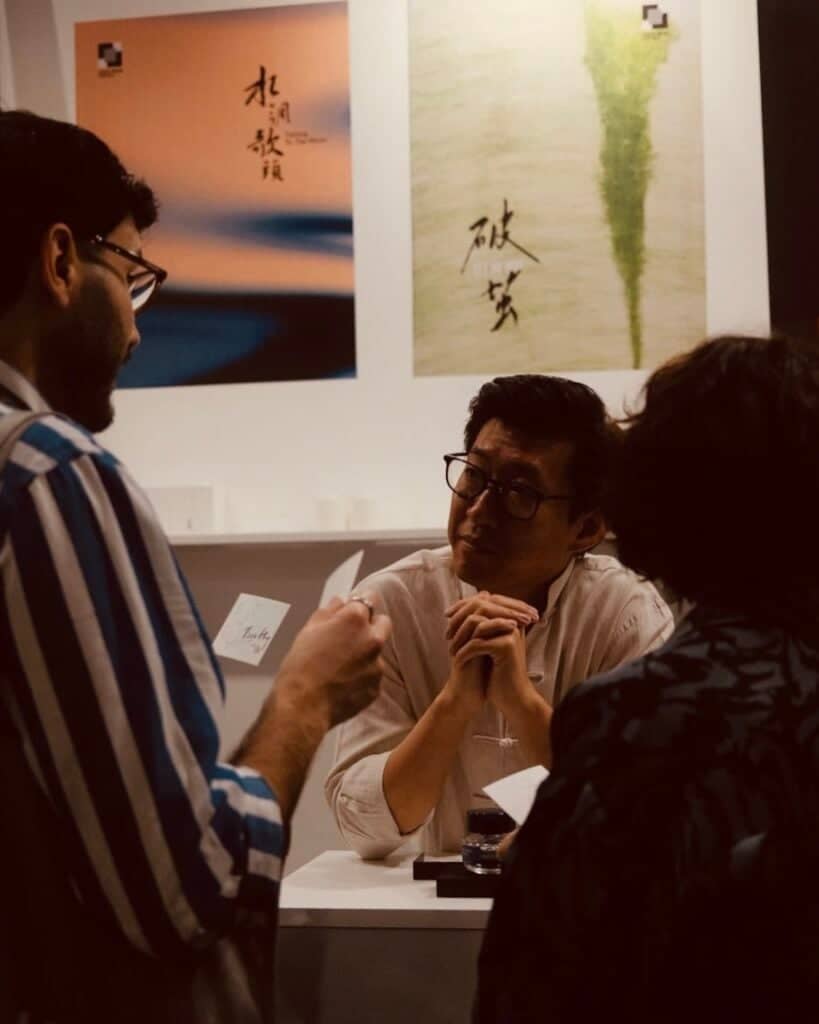
Feng’s central point was clear: “China has its own scent culture, and therefore its own cultural subjectivity.”
From traditional incense and natural aromatic materials to daily rituals and contemporary scent art, Feng sees China as having the foundation to engage in equal cross-cultural dialogue with the West. It does not need to define itself as a follower.
In his view, China’s role in the global fragrance industry is changing. “In the past, China was seen as a factory. Later, it was seen as a market. Today, China has the potential to become a new source of inspiration for fragrance lovers and perfumers around the world.”
That statement reframes the question around Chinese fragrance. The issue is no longer whether Chinese brands can make products that resemble European niche perfumes. It is whether China can develop new creative methods from its own scent culture, material knowledge, and contemporary life.
That idea was also visible at the booth for DHFF and Voice From The Sky, which attracted strong attention during the fair. Some visitors came after hearing word of mouth from earlier days of the event. Others were drawn in by the Chinese characters and Eastern visual elements on the posters.
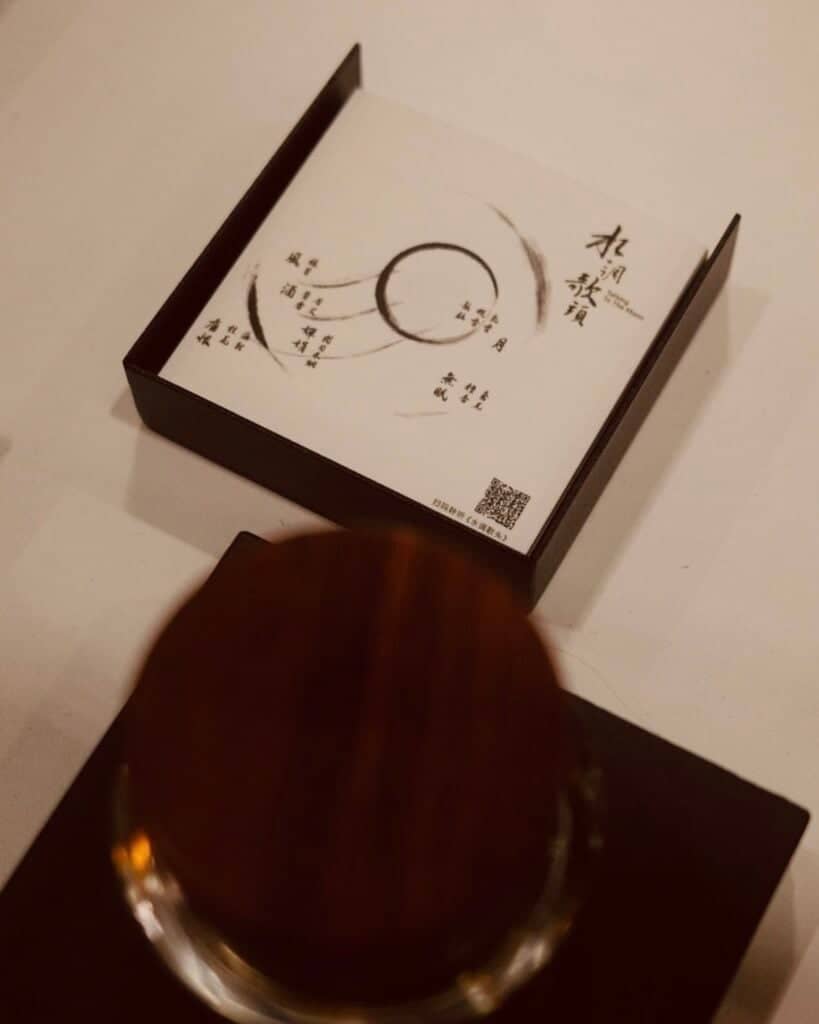
What surprised Feng most was that among the brand’s full line, the most popular fragrance on-site was Talking To The Moon (水调歌头), which he described as “the most Chinese fragrance” in the collection.
The response reinforced his belief that a distinct Chinese identity is not a barrier. When the expression is complete and the fragrance works, “Chineseness” can become a powerful memory anchor.
For Chinese fragrance brands, this is an important signal. The international market does not necessarily ask them to soften their cultural identity. A clear cultural point of view can become one of their strongest assets — as long as the scent itself is convincing.
Making Chinese Scent Culture Resonate
The growing visibility of Chinese perfumery is not only about brands appearing on the global stage. It is also about how Chinese scent culture is being interpreted.
Weng Haocong, director of the Xuelei Fragrance Museum, sees the attention paid to Chinese brands at platforms such as Esxence as a positive sign. In his view, Chinese fragrance is moving “from production to expression.”
China has a long and deep history of scent culture, from traditional incense, seasonal rituals, and literati life to agarwood, sandalwood, osmanthus, white champaca, and medicinal aromas. Each carries its own olfactory memory.
But using Eastern elements in fragrance is not difficult. The harder question, Weng suggested, is not simply “putting Eastern elements into fragrance,” but translating Eastern ways of sensing into a contemporary language.

Concepts such as liubai, the Chinese aesthetic of leaving blank space, the 24 solar terms, classical gardens, Lingnan flower markets, and traditional Chinese medicine shops all have the potential to become distinctive Chinese fragrance narratives. Yet internationalization requires more than translating cultural symbols into another language. It requires translating Chinese ways of sensing, living, and feeling into contemporary products that different markets can understand.
The challenge for Chinese fragrance is not to appear more Eastern. It is to make Eastern experience legible as modern olfactory language.
Independent Brands Are Moving Beyond Visibility
The experience of Xiao Lan, founder of Tombstone and Bu Feng, offers another view of Chinese independent fragrance brands on the global stage.
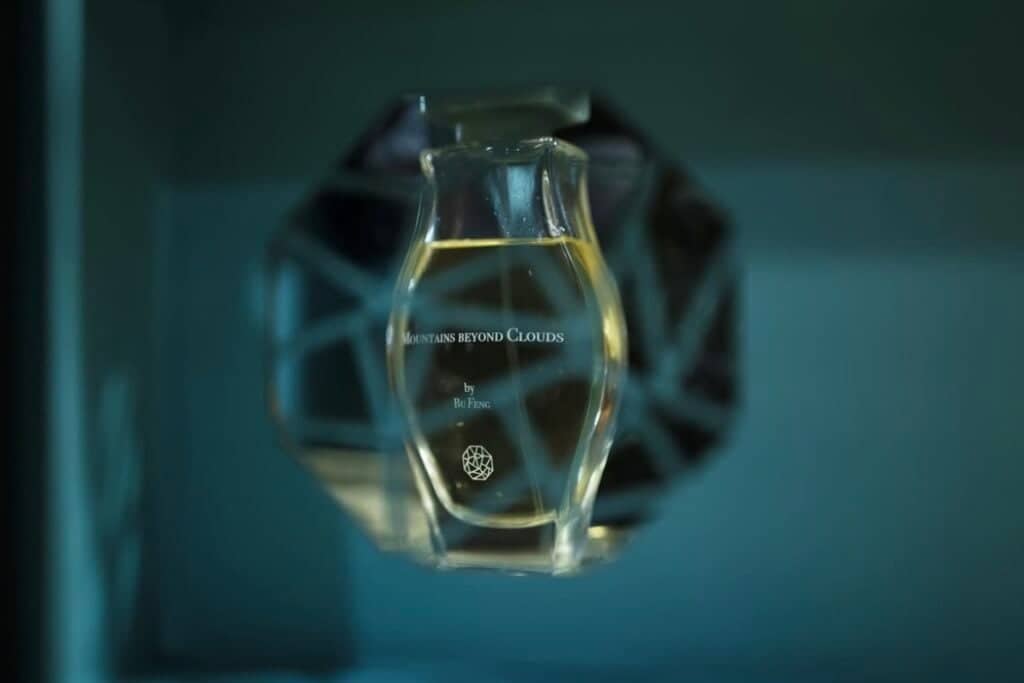
This year marked the third time the two brands participated in Esxence. Bu Feng launched a new series, while Tombstone presented an installation art project. For Xiao Lan, Esxence is not only about international exposure. It is a place to show the breadth of a brand to a wider audience, while deepening its philosophy and creative direction.
She has noticed that international buyers and media approach Chinese fragrance brands differently.
Buyers usually start with the scent. They care most about the fragrance itself, especially whether it fits their local market. Only after that do they consider the brand story, visual language, and overall brand system.
This difference matters. “Chineseness” can open a conversation, but to enter channels and markets, a brand still needs strong scents, clear positioning, and solid operational systems.
Xiao Lan remains clear-eyed about overseas acceptance. Among fragrance enthusiasts who are always searching for something new, more people have begun to notice Chinese brands over the past year or two. For ordinary consumers and B2B buyers, the idea of a “brand from China” is no longer unfamiliar.
But she is careful not to overstate the shift. “It is not that perceptions were bad before,” she said. “It is that, before, there was almost no perception at all.”
That may be the most accurate description of Chinese fragrance today. It is not breaking free from a negative image. It is entering global awareness after a long absence.
China Remains a Crucial Growth Market
Even as Chinese creativity gains visibility, China’s market importance remains central to global artistic perfumery.
One visible example at Esxence was Eternal Group, a key player in China’s fragrance distribution sector. As an official partner of Esxence 2026, the company launched The Eternal Path to China, a program designed to help international fragrance brands understand how to enter and operate in China. The initiative covered market insights, regulatory compliance, channel strategy, localization, and retail execution.
The message was clear: China remains a major opportunity, but it is no longer an easy-entry market.
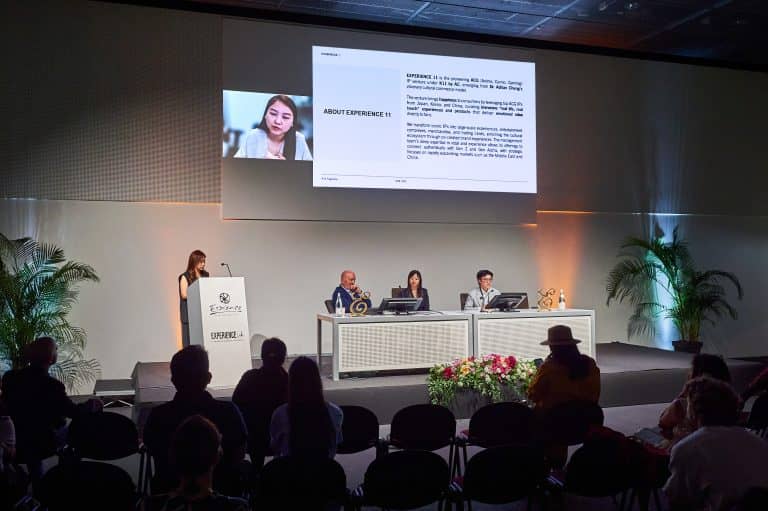
According to Eternal Group, international niche fragrance brands are paying close attention to three shifts in China: consumers are seeking uniqueness, emotional connection, and everyday pleasure; channels now span e-commerce, social platforms, offline retail, and travel retail; and no single strategy can work across every city, platform, or consumer community.
As Eternal summarized it, “The opportunity is clear, but execution determines success.”
Visibility Is Only the Beginning
Esxence 2026 showed that the Chinese fragrance industry is entering the global conversation from multiple positions at once.
Buyers are using global fairs to calibrate product selection and consumer taste. Perfumers, cultural institutions, and independent brands are presenting new ways of thinking about Chinese scent culture. Market builders are reminding the world that China remains one of the most important growth markets for artistic fragrance.
But visibility is only the beginning.
What matters next is whether the Chinese fragrance industry can build systems of creation, distribution, and interpretation that continue to generate meaning for a global audience.