
Chinese fragrance market is entering a new phase.
For much of the past decade, growth has been driven by rising consumer awareness, expanding retail channels, and a new generation of domestic brands. But as the market matures, the questions facing the industry are becoming more complex. What will ultimately differentiate Chinese fragrance brands? Will cultural storytelling remain their greatest advantage? And how might emerging technologies such as artificial intelligence reshape the future of scent creation?
These questions emerge against a broader shift within China’s beauty industry. After three decades of rapid commercialization, the era of capital-fueled expansion is giving way to a more rational phase of growth. Competition is increasingly defined not by speed alone, but by brand identity, innovation, and long-term differentiation.
Chinese Fragrance Market: Growth Meets Identity
The global fragrance market continues to expand, with perfume emerging as a key growth engine for many beauty companies amid broader category slowdowns. In China, Frost & Sullivan estimates the fragrance retail market will reach RMB 44 billion by 2028, growing at a compound annual rate of 14 percent between 2023 and 2028. Yet fragrance penetration remains below 5 percent, suggesting significant room for future growth.
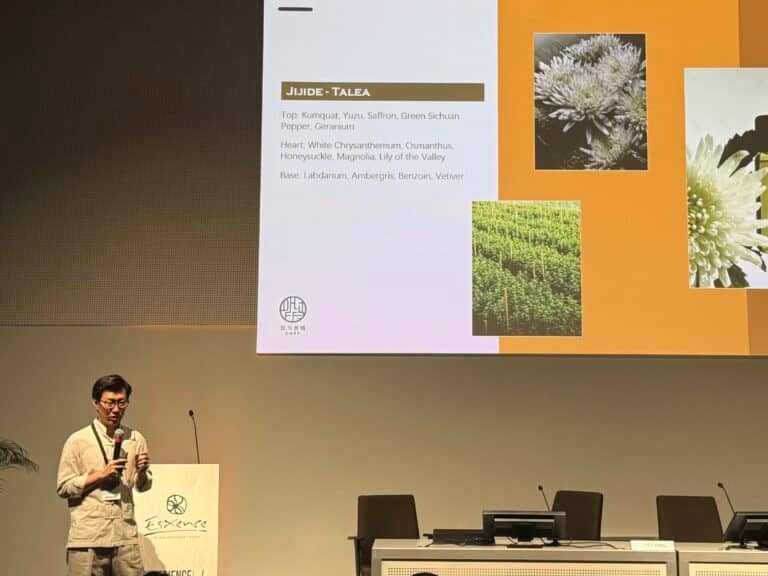
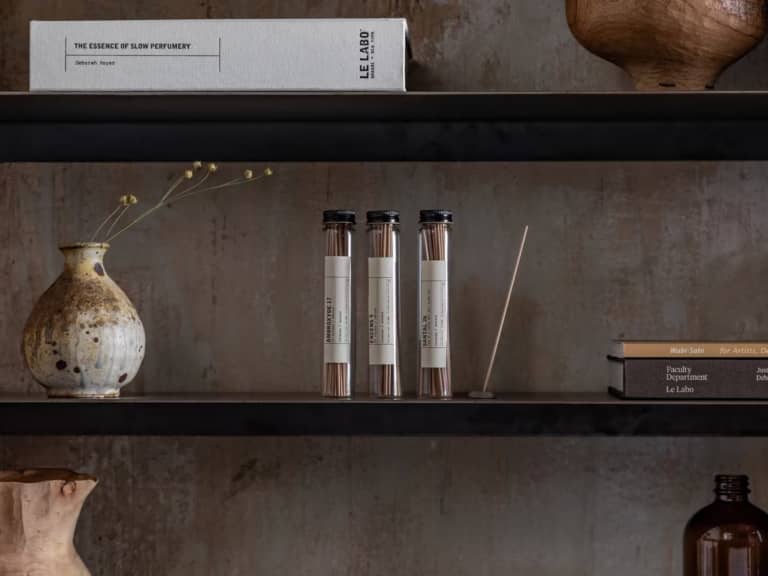
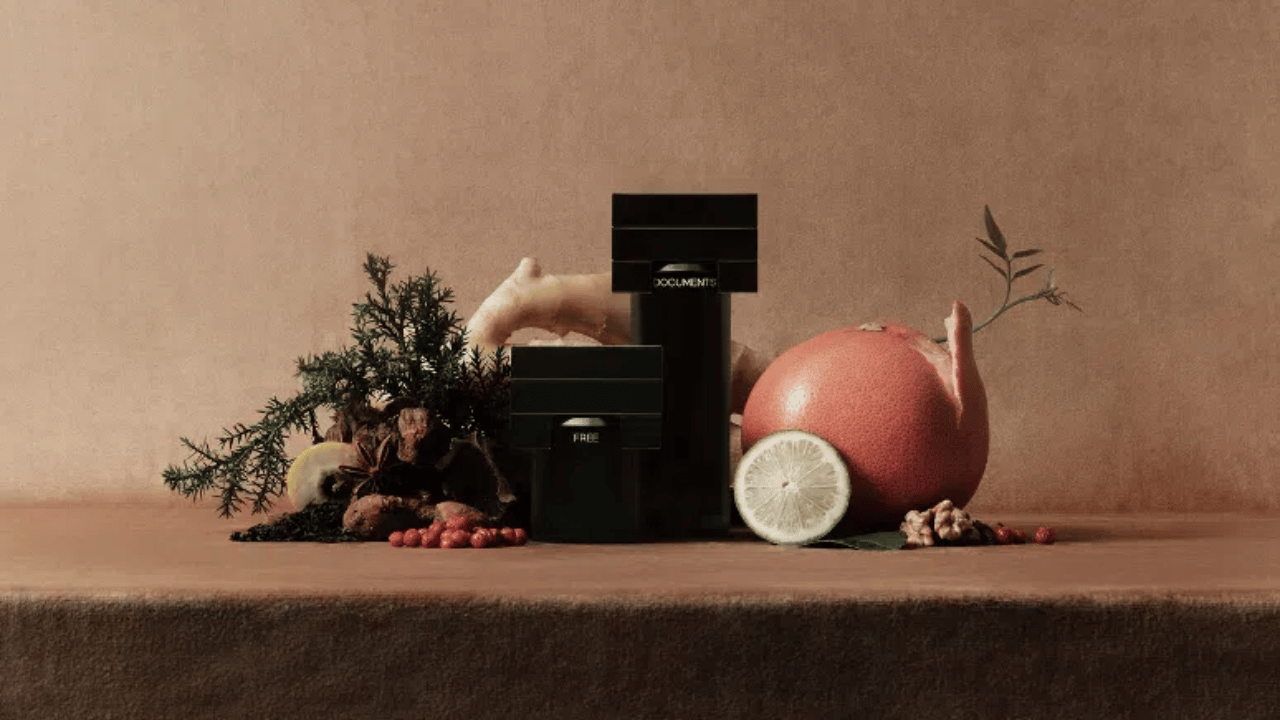
At the same time, a rising sense of cultural confidence has fueled a wave of Chinese fragrance brands rooted in local narratives and sensory memory. To Summer draws on traditional Chinese imagery through scents such as Cedarwood. Documents recreates the atmosphere of temples through deep woody accords. Melt Season reinterprets fragrance conventions through tea-inspired compositions.
Initially built through content-driven digital marketing, many of these brands are now expanding into experiential retail spaces to deepen consumer engagement. Meanwhile, on platforms such as Douyin, domestic fragrance brands—including ultra-affordable entrants—are generating remarkable sales volumes and broadening fragrance consumption beyond traditional luxury audiences.
Yet growth alone does not guarantee differentiation. As more brands draw from similar cultural references, questions are emerging about the long-term sustainability of the “Oriental fragrance” narrative. Can cultural identity continue to serve as a competitive advantage, or might it eventually become a constraint as brands pursue global expansion?
The AI Question
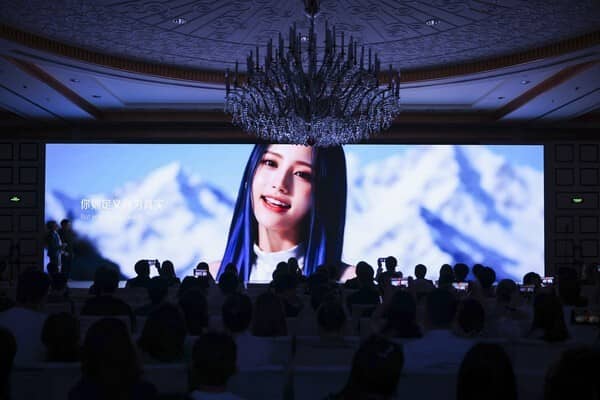
While storytelling has become a defining feature of the premium fragrance market, a different transformation is taking place elsewhere in the category. Artificial intelligence is beginning to enter fragrance creation itself.
AI-assisted formulation tools can analyze vast datasets, identify consumer preferences, and accelerate product development. In a category where speed, efficiency, and personalization are increasingly important, the technology has the potential to reshape how fragrances are conceived and brought to market.
The debate is no longer whether AI will influence fragrance development, but where its limits lie. Can algorithms replicate the intuition, emotion, and creative judgment traditionally associated with perfumers? Will AI become a tool that enhances creativity, or a substitute for parts of the creative process itself?
As Chinese fragrance brands search for their next source of competitive advantage, the answer may lie somewhere between culture and technology. How the industry balances those two forces could shape the next chapter of fragrance development in China.
Editor’s Note: This article was originally published on Jingzhi Chronicle’s Chinese-language platform 精致知界 and has been adapted for English-language readers. While some market data and industry references reflect the period in which the article was written, the themes explored—including the rise of Chinese fragrance brands, the role of cultural identity in scent creation, and the growing influence of artificial intelligence—remain highly relevant to ongoing discussions about the future of the fragrance industry.