Fashion Asia Hong Kong 2026 introduced a new runway, a buyer-facing showroom, industry dialogue and a public exhibition, offering a clearer picture of how the platform is expanding its role beyond discovering emerging designers.
Can Hong Kong become a creative bridge for Asian designers — not merely a place where talent is showcased, but one that helps turn recognition into relationships, commercial opportunities and lasting cultural relevance?
Jingzhi Chronicle posed that question after Fashion Asia Hong Kong 2025. A year later, as the platform marked its tenth anniversary, the answer began to come into sharper focus. The signal was stronger: for the first time, the 10 Asian Designers To Watch appeared on a dedicated runway, while their work was also presented through a buyer-facing showroom and a public exhibition. Alongside them, the Fashion Challenges Forum brought together industry figures to address some of the pressures reshaping fashion in a period of rapid change and uncertainty.
The significance was not simply that Fashion Asia had added more programming. Each format occupied a different part of the fashion system. The runway gave designers room to articulate a creative vision; the showroom brought that vision closer to the logic of buying; the exhibition placed the work before a wider public; and the Forum examined the market conditions in which designers and entrepreneurs are expected to build. Taken together, the pieces offered a more tangible view of what an ecosystem around emerging talent might actually look like.
A Forum Built Around Friction
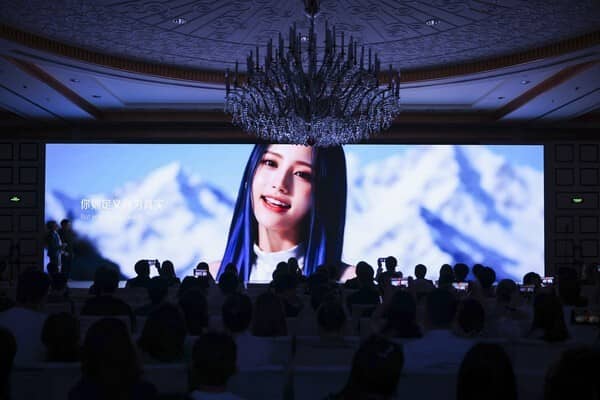
The Fashion Challenges Forum provided the industry-facing counterpart to this year’s designer programme. Its conversations were structured around specific tensions confronting brands, retailers, designers and founders, from maintaining relevance and rethinking physical retail to changing category definitions and the new rules of entrepreneurship.
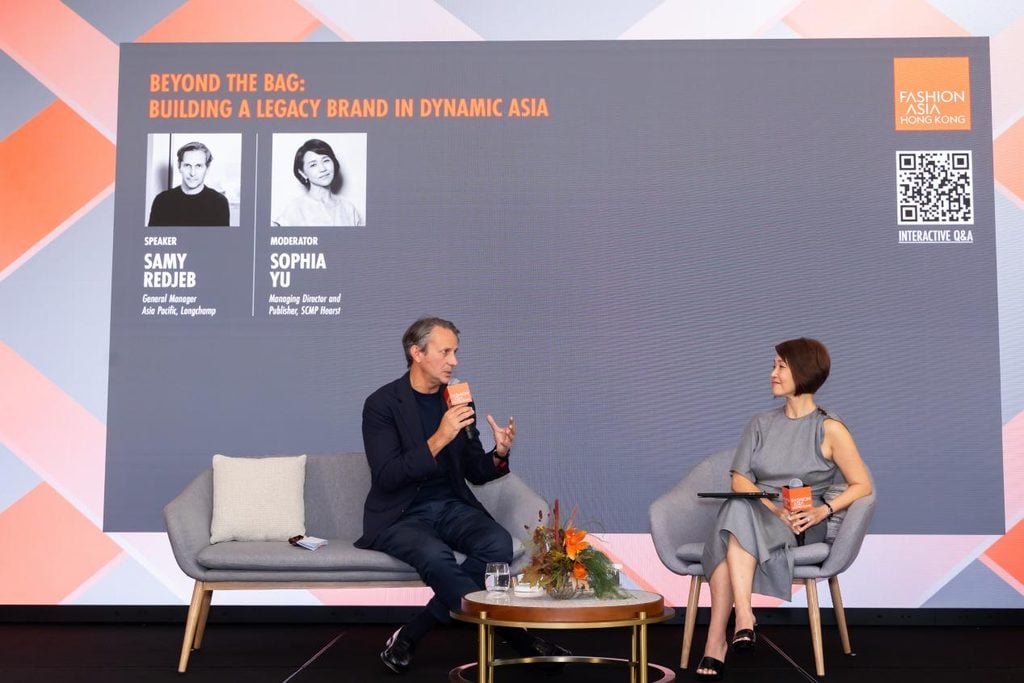
For Longchamp, the question centered on continuity and reinvention. Samy Redjeb, General Manager, Asia Pacific at Longchamp, joined Sophia Yu, Managing Director and Publisher of SCMP Hearst, to discuss how a luxury house still owned and operated by its founding family can preserve the craftsmanship and family identity that give it continuity while remaining relevant to younger consumers across fast-moving Asian markets. Rather than positioning heritage and innovation as opposites, the conversation considered how each can strengthen the other.
Physical retail faces a different challenge. Onthira Bharksuwana, Senior Vice President of EM DISTRICT, joined Divia Harilela, founder of THE D’VINE, to consider what a shopping destination must become when transactions alone are no longer enough to draw people in. Their discussion moved beyond retailtainment into wellness, entertainment, community, tourism and the changing design of lifestyle destinations. The question increasingly facing malls is not only what they sell, but what role they play in urban life and why consumers should choose to spend time there.
Menswear offered another example of an established framework being reconsidered. In The New Vanguard: Navigating the Future of Global Menswear, Sara Sozzani Maino, Creative Director of Fondazione Sozzani and International New Talent and Brands Ambassador at Camera Nazionale della Moda Italiana, joined Stefano Roncato, Editor-in-Chief of MF Fashion, MFF Magazine for Fashion and MFL Magazine for Living, in a conversation moderated by Gloria Tso, Online and Features Editor at Style by SCMP.
Their discussion looked at what happens to a category historically shaped by relatively fixed conventions when those conventions begin to loosen. Tailoring remains part of menswear’s foundation, but genderless dressing, changing expressions of masculinity and Asia’s influence on less traditional approaches to dress are expanding its vocabulary. Its recent momentum therefore reflects more than market growth; it also points to a broader reconsideration of what menswear can encompass and who gets to define it.
The entrepreneurship conversation brought the question of adaptation down to the scale of the founder. In From Discovery to Desire: The New Rules of Fashion Entrepreneurship, Charlie Gu, Founder and CEO of Jingzhi Media Group, moderated Kayla Wong, founder of LANG, and fashion sourcing expert Gab Waller. Their businesses occupy different points in fashion’s changing discovery economy: LANG builds visibility and context around Asian designers and creative communities, while Waller has developed an international sourcing network around connecting demand with hard-to-source products.
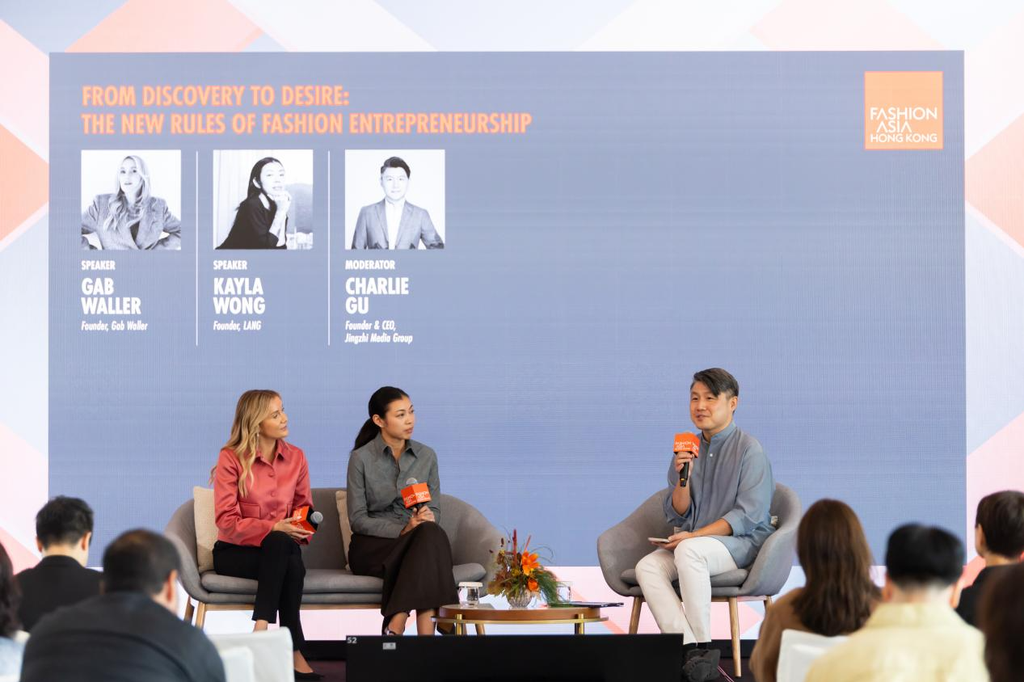
“Discovery may introduce someone to a designer, but desire comes from feeling a genuine point of view behind the work,” Wong said. “With so much visibility today, an emerging designer needs to create a world people want to enter — one shaped by a distinct identity, consistent taste and a story that extends beyond the product. At LANG, our role is not simply to present new brands, but to provide the cultural and emotional context that helps people understand why they matter. Lasting relevance comes from designers who remain connected to who they are and where they come from, while continuing to evolve without losing that sense of self.”
Seen together, the Forum functions less as a collection of trend forecasts than as a map of where the fashion system is currently under pressure. Those questions also provided the business context for Fashion Asia’s most visible development this year: the expansion of 10 Asian Designers To Watch beyond recognition alone.
From a Watchlist to a Working Platform
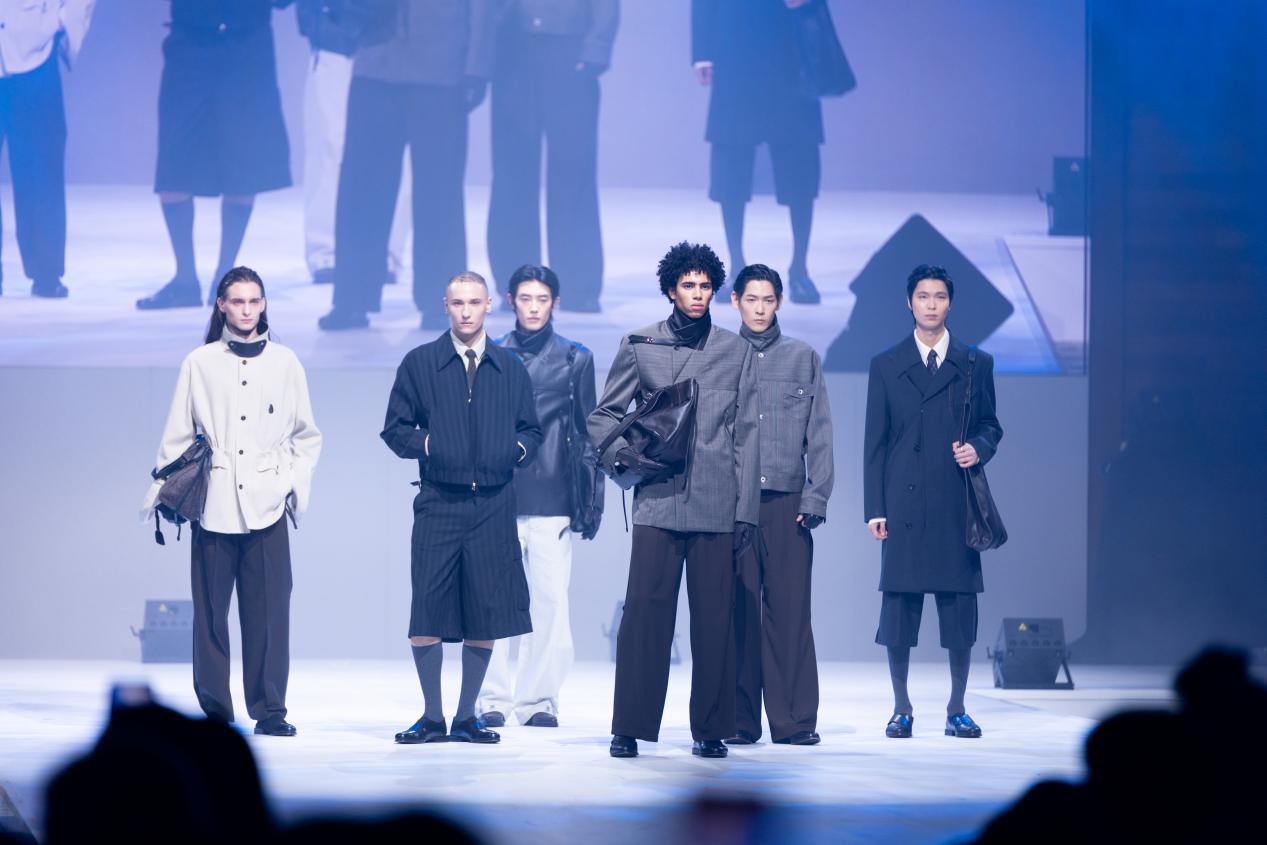
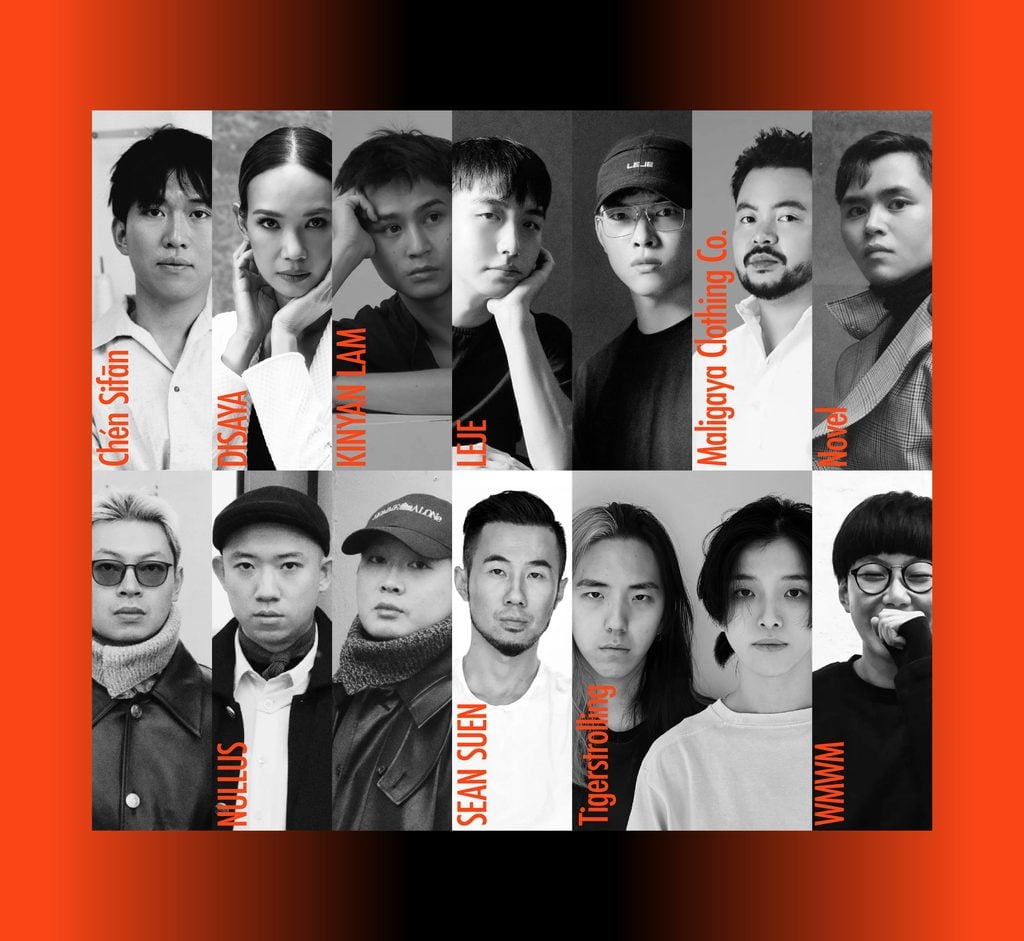
On September 3, ten designers from Chinese Mainland, Hong Kong, South Korea, Thailand and the Philippines presented their collections at Rosewood Hong Kong in the inaugural 10 Asian Designers To Watch Fashion Show and Award Presentation Ceremony. Figures from music and film were also in attendance, extending the presentation beyond a strictly professional fashion audience.
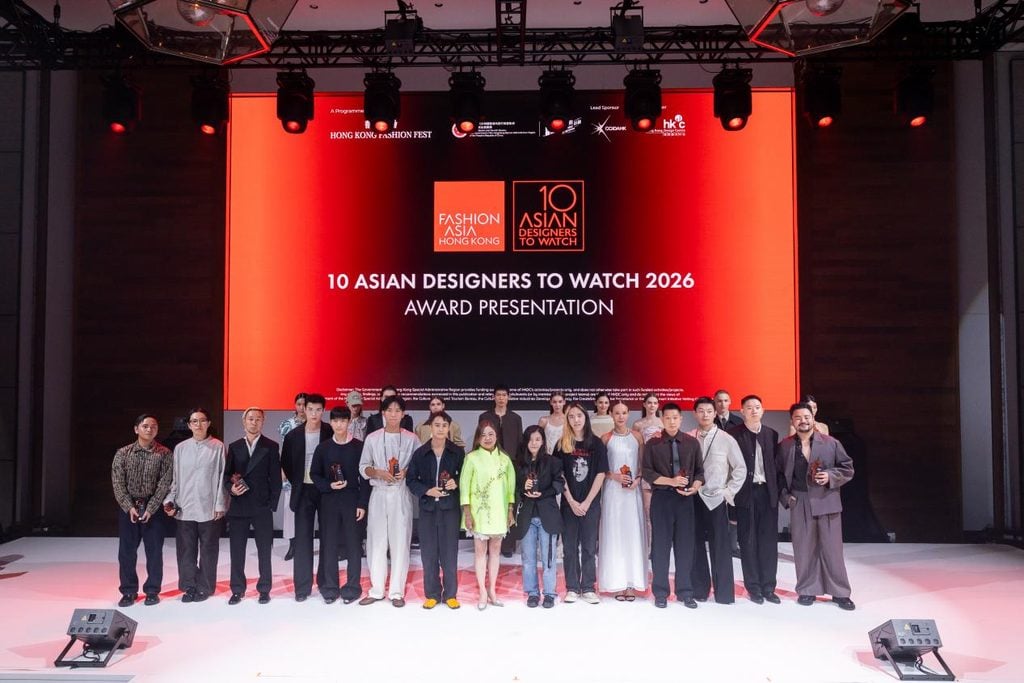
The collections resisted any single definition of what contemporary Asian fashion should look like. KINYAN LAM drew on traditions from southern China and Guizhou, working with Dong cloth, natural dyeing and hand-knotting, while South Korean label LEJE placed Korean craftsmanship within a more international couture vocabulary. From the Philippines, Maligaya Clothing Co. brought historical textiles into a contemporary wardrobe, while NOVEL approached local materials through more experimental construction. Elsewhere, designers including Chén Sifān, WMWM, DISAYA, Tigerstrolling, NULLUS and SEAN SUEN explored questions of contemporary identity through tailoring, silhouette and structure rather than relying on overt cultural symbolism.
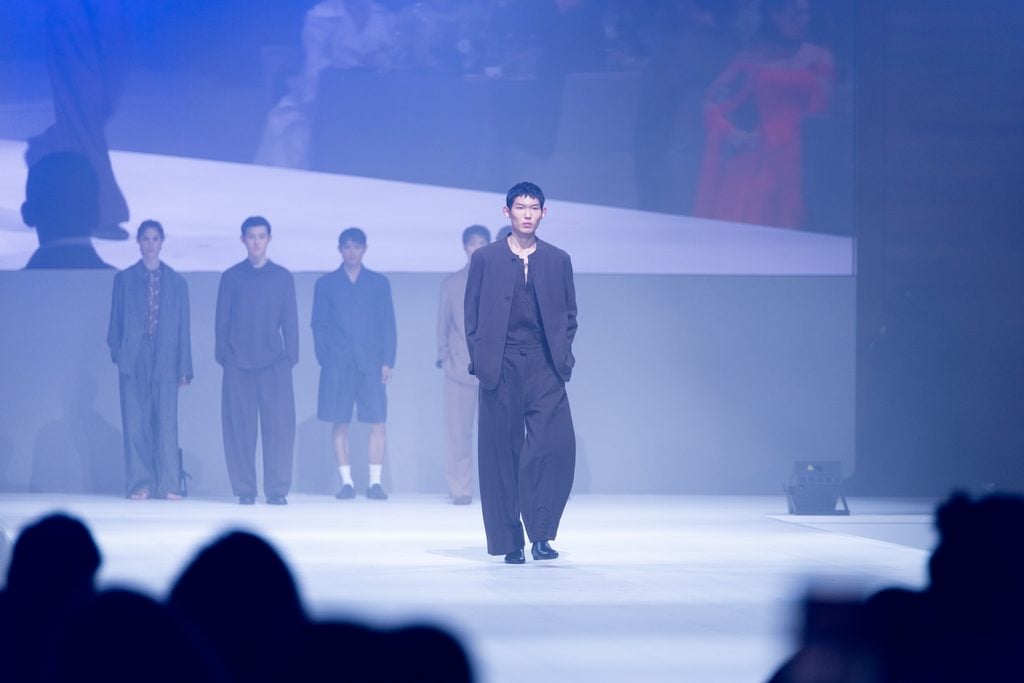
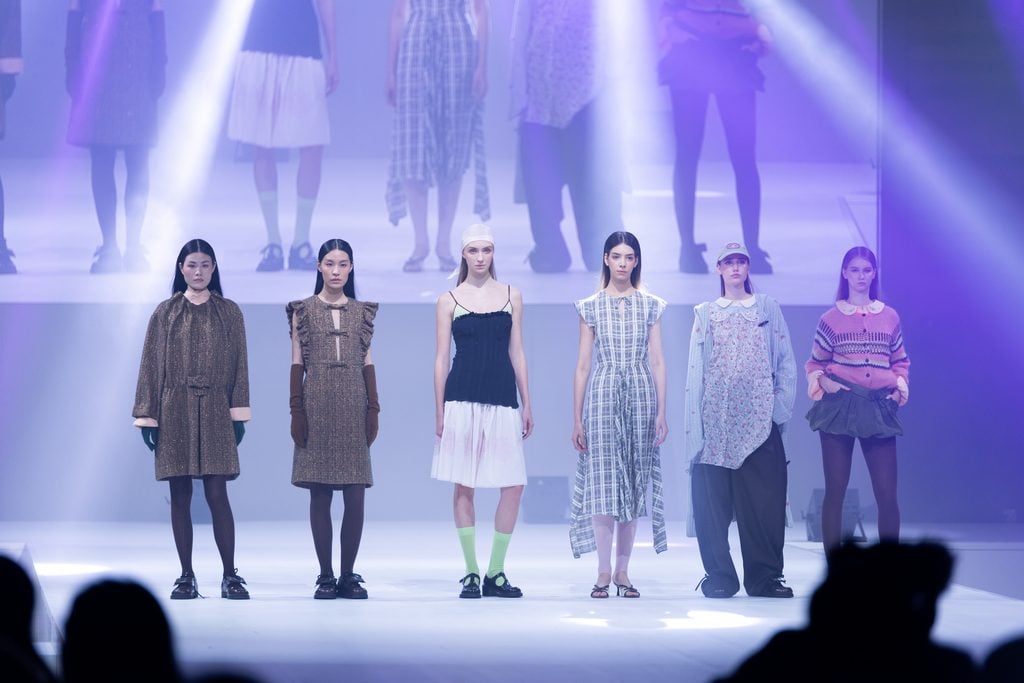
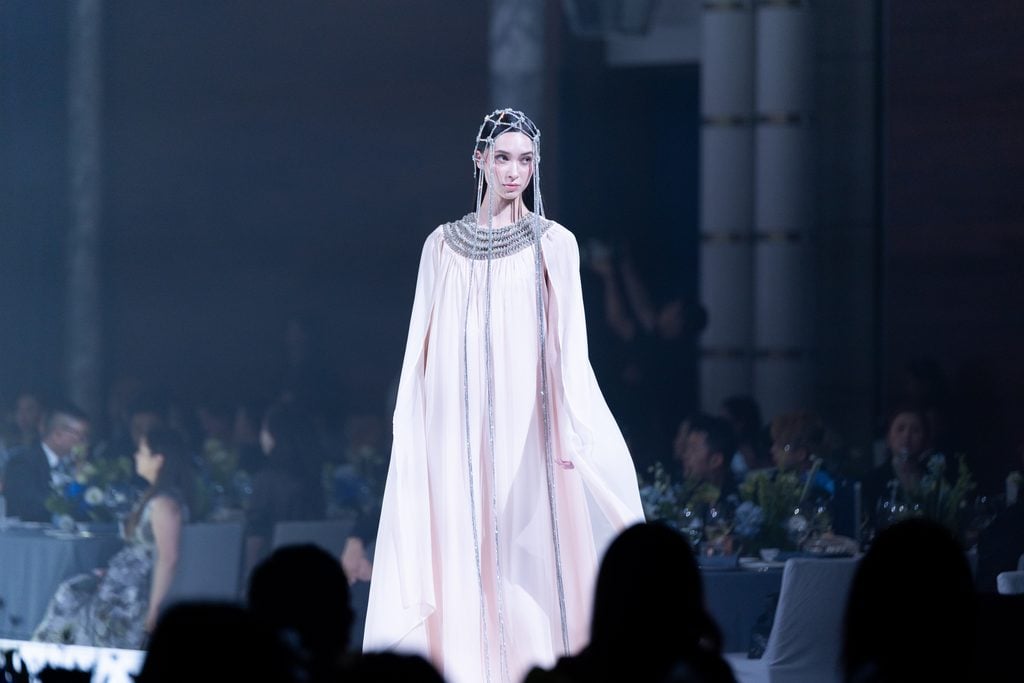
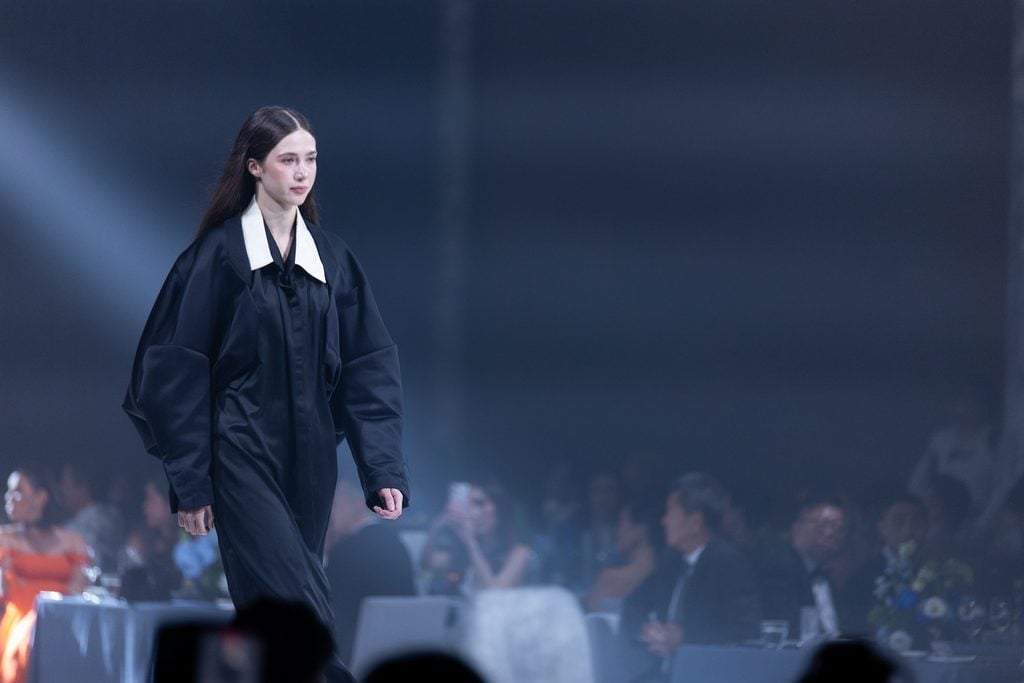
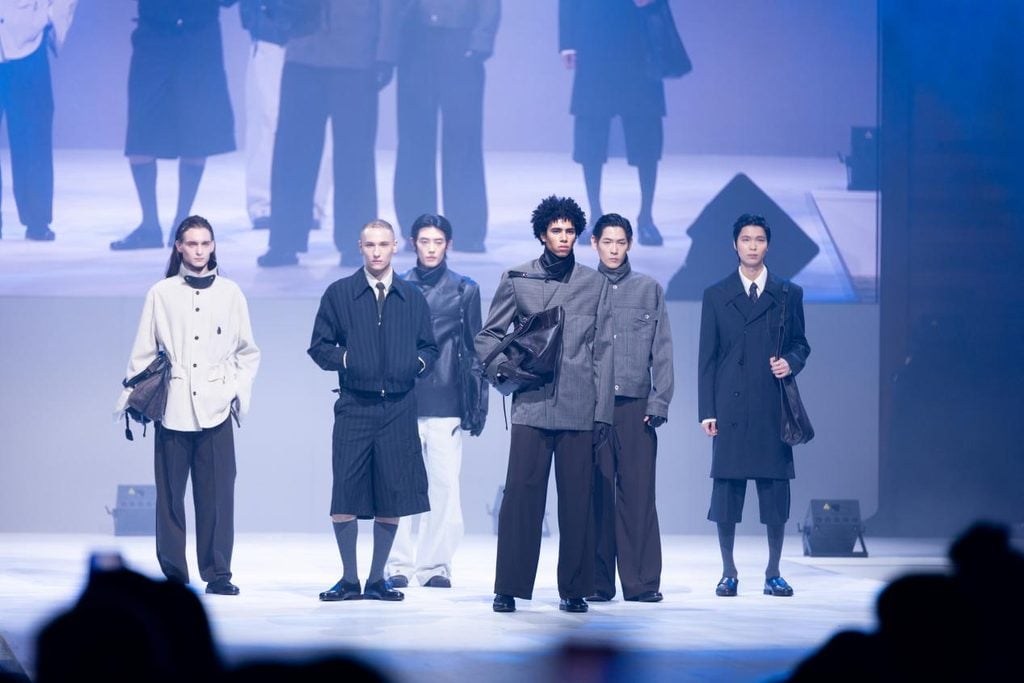
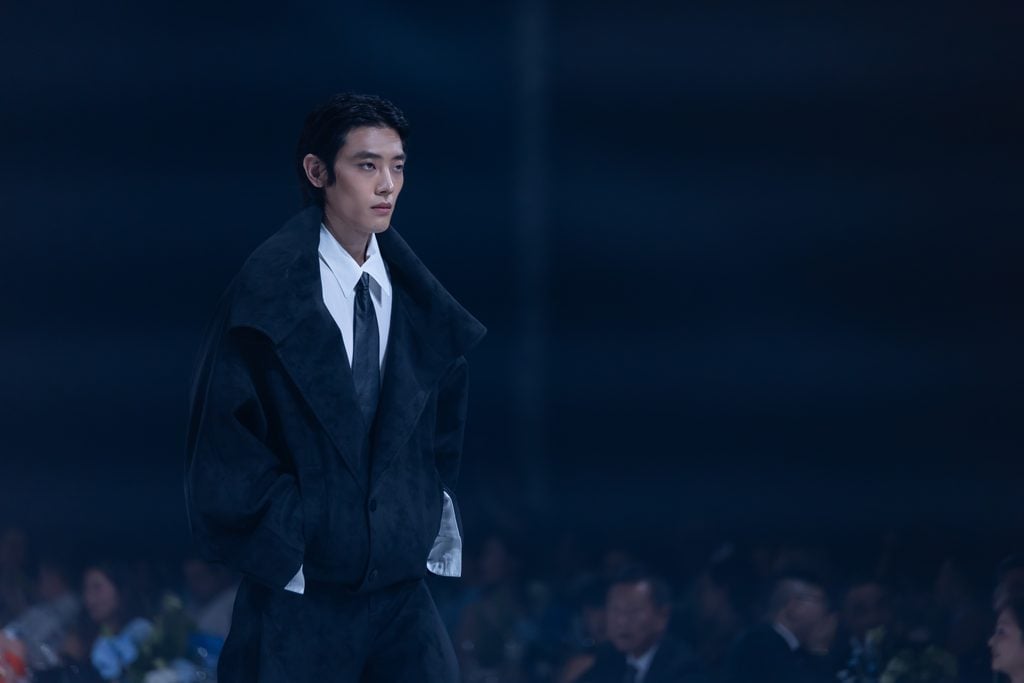
Beyond the runway, the designers were also presented in a showroom format geared more directly toward buyers. Rather than simply reproducing the catwalk selection, the showroom offered a more commercially considered edit and allowed individual pieces to be examined at closer range. The shift changed not only the setting, but the criteria by which the work was encountered: on the runway, a collection had to communicate a creative world in motion; in the showroom, the focus turned to construction, quality, wearability and how convincingly that creative identity translated into product.
“The runway is dynamic — three-dimensional and multi-perspective. It taught us how to hold an audience’s attention and communicate creativity in the span of just a few dozen seconds,” said Yue Ming, designer of NULLUS. “The showroom asks for something different: patience. It gives people the space to understand the concept, the details and the quality behind each piece. It is where the maturity of a design is truly tested — and where we hear the most honest feedback.”
For Yue Ming, the transition also exposes the distance between creative expression and a product’s life beyond presentation. “For me, the journey from runway to showroom is a shift from the expression of creativity and styling to the practical test of being touched, tried on and worn. It calls for both a romantic, creative sensibility and a complete product architecture — the ability to bring ideas to life so that we can develop and explore the brand more fully.”
Fashion Asia’s expanded format places the same creative identity in different contexts — first as a visual statement, then as a product under closer commercial scrutiny.
The 10 Asian Designers To Watch Exhibition, held at The Peak Galleria from September 3 to 13, added another audience. Unlike a runway or showroom, the exhibition occupied a public commercial space frequented by local residents and international visitors, many of whom had not come specifically to see emerging fashion.
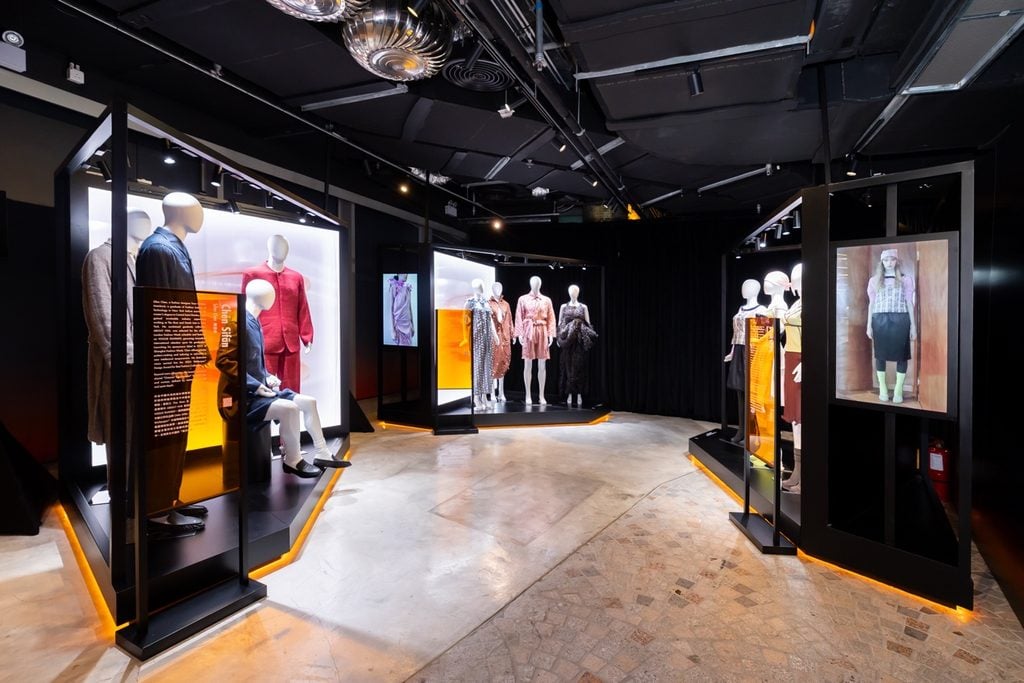
There, the designers’ work had to communicate without the mediation of a buyer, editor or invited audience. Cut, material and craft encountered the more immediate judgement of passers-by, testing whether professional recognition could generate curiosity beyond the fashion industry itself.
Moving the same designers through runway, showroom and public exhibition asked their work to function differently in each setting — as creative statement, commercial proposition and public encounter. Together with the Forum and award presentation, those formats extended 10 Asian Designers To Watch beyond a single moment of recognition.
As Rainy Chan, Executive Director of Hong Kong Design Centre, put it: “A runway creates attention, a showroom turns it into opportunity, and a ceremony makes it last. Discovery is a moment; what a designer needs is a road.”
Her comment captures the broader direction of Fashion Asia at ten: the focus is shifting from creating visibility to building a more continuous pathway around emerging designers.
The Value of Density
Fashion Asia’s September timing added another layer. Held amid a wider concentration of fashion activity in Hong Kong, its programmes took place as buyers, designers, media, executives and creative professionals were already moving through the city for different events.
For emerging designers, the value of that overlap is not simply a larger audience but the possibility of more intersections. A runway introduction can continue as a showroom conversation; someone visiting Hong Kong for another fashion event can encounter a designer through Fashion Asia; a meeting at the Forum can develop into a relationship elsewhere. Concentrating different parts of the industry in one place increases the chances that connections can continue beyond the initial encounter.
That density also gives more substance to the idea of Hong Kong as a creative bridge. Its role is not simply to gather international and Asian participants in the same city, but to create circumstances in which creative, commercial and institutional communities have reasons to cross paths.
Putting the Pieces Together
Last year, Jingzhi Chronicle asked whether Hong Kong could become a creative bridge for Asian designers. Fashion Asia’s tenth anniversary offered a stronger evidence of what sustained support can look like in practice.
The Fashion Challenges Forum addressed some of the pressures shaping the industry around designers. The runway created space for full creative expression; the showroom brought that expression into a commercial context; and the exhibition extended it into public view. Taking place amid a broader concentration of fashion activity in Hong Kong, those elements gained further value from their proximity to other networks and audiences.
Fashion Asia’s evolution is therefore visible less in any one new programme than in the way these functions are beginning to connect. At ten, the platform is moving beyond identifying designers worth watching and toward building more of the landscape around them — industry knowledge, creative expression, commercial access, public visibility and international networks.
For the emerging designers taking part — particularly Chinese independent labels looking beyond their home market — the real measure of that ecosystem will come later. Perhaps, years from now, one of them will look back on Fashion Asia Hong Kong not simply as a moment of recognition, but as one of the places where a longer international journey began.