
Known for its art installations, Beijing’s SKP-S is pairing them with something harder to sustain: continuous programming that gives visitors reasons to return.
On October 14, a class at Beijing’s SKP-S began with a run around the surrounding neighborhood. Participants preparing for the Beijing Marathon returned afterward for a recovery session organized through S-chool, SKP-S’s evening class program, in partnership with sports recovery brand HYPERICE. They tested products, learned how they worked and asked questions based on how their bodies felt after exercise.
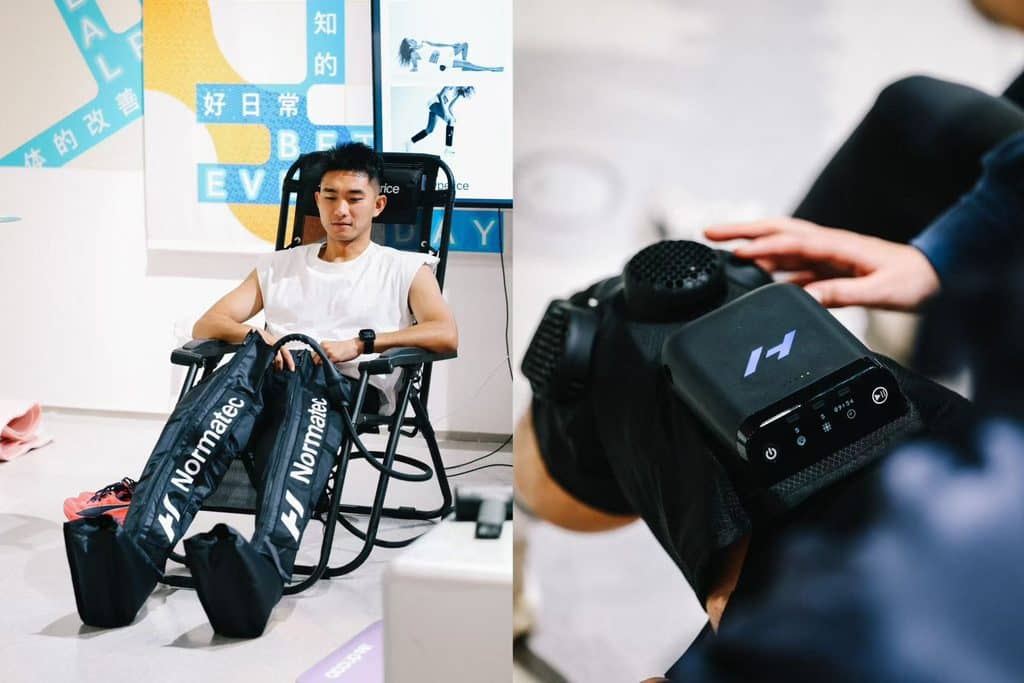
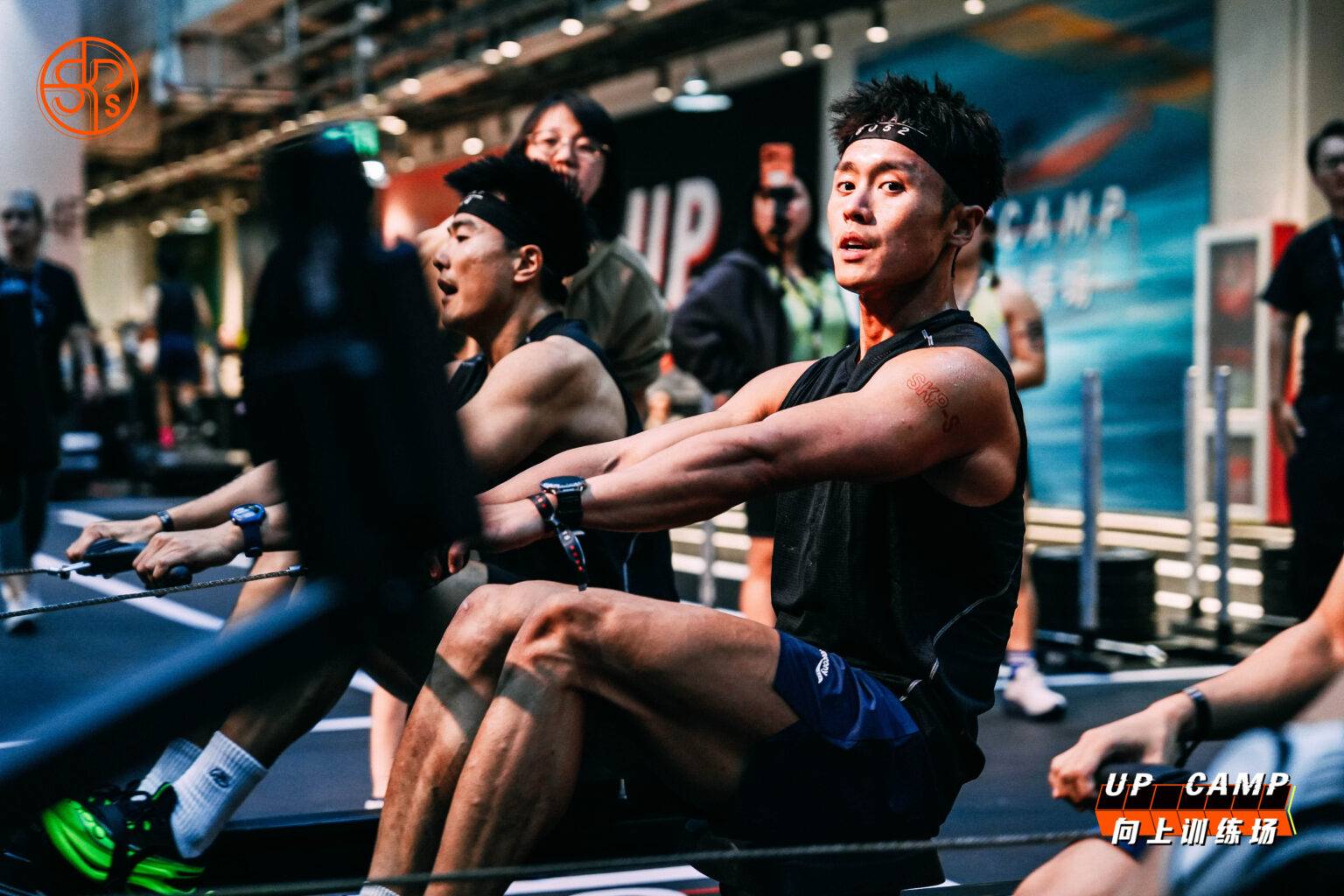
The session connected with UP CAMP, another sports initiative staged at SKP-S with Saucony and F45 Training Beijing. The fourth-floor T-10 cultural and arts space became a functional training ground, while HYPERICE operated a dedicated recovery area for participants.
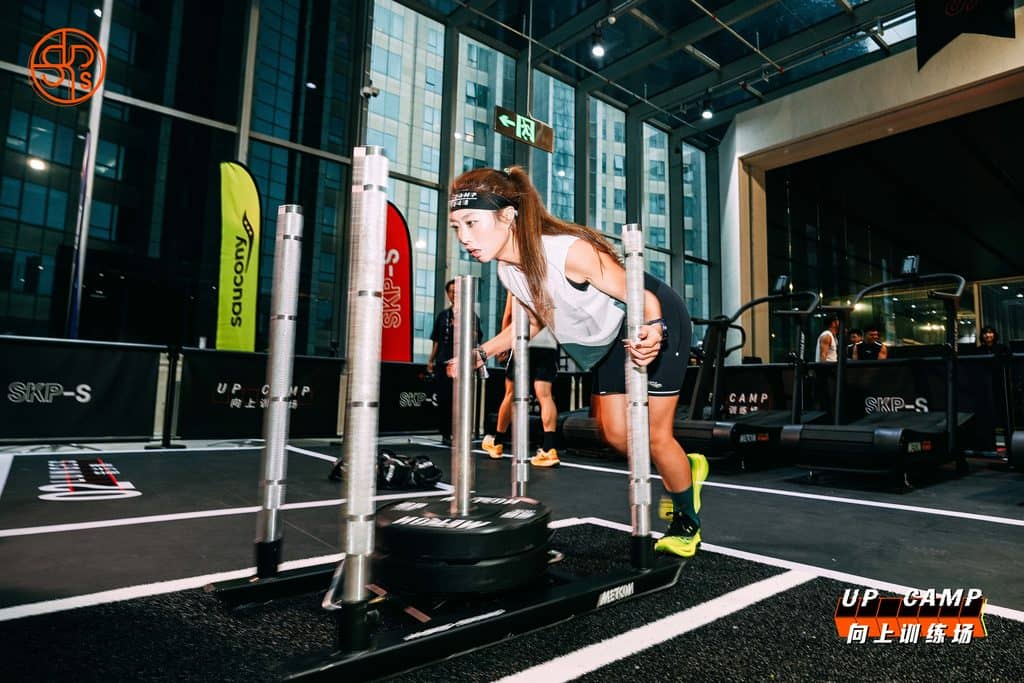
Experiential activations like these have become commonplace across luxury and premium retail. Pop-ups, installations and branded events can generate traffic and cultural visibility, and SKP-S continues to use them. The harder question is what sustains the relationship between them. SKP-S is increasingly adding classes, community programming and services that give consumers reasons to engage with the destination on a more regular basis.
The strategy does not replace the big moment. It attempts to build continuity around it.
From Traffic to Repeat Visits
Physical retail has spent much of the past decade trying to offer what digital commerce cannot easily replicate: presence, participation and interaction with other people. A January 2026 survey by the China Youth Daily Social Survey Center and Wenjuan.com found that social enjoyment and real-world experience were important motivations for young consumers choosing to shop offline, with shopping centers among their frequently visited destinations.
For SKP-S, S-chool turns those interests into a recurring content calendar. Courses range from trail running and lightweight packing for outdoor trips to floral design, photography, dance and coffee. In October, Cao Yingjun, a science communicator focused on traditional Chinese architecture, led a class at SKP-S on Beijing’s Temple of Heaven, offering participants another way to understand a familiar part of the city.
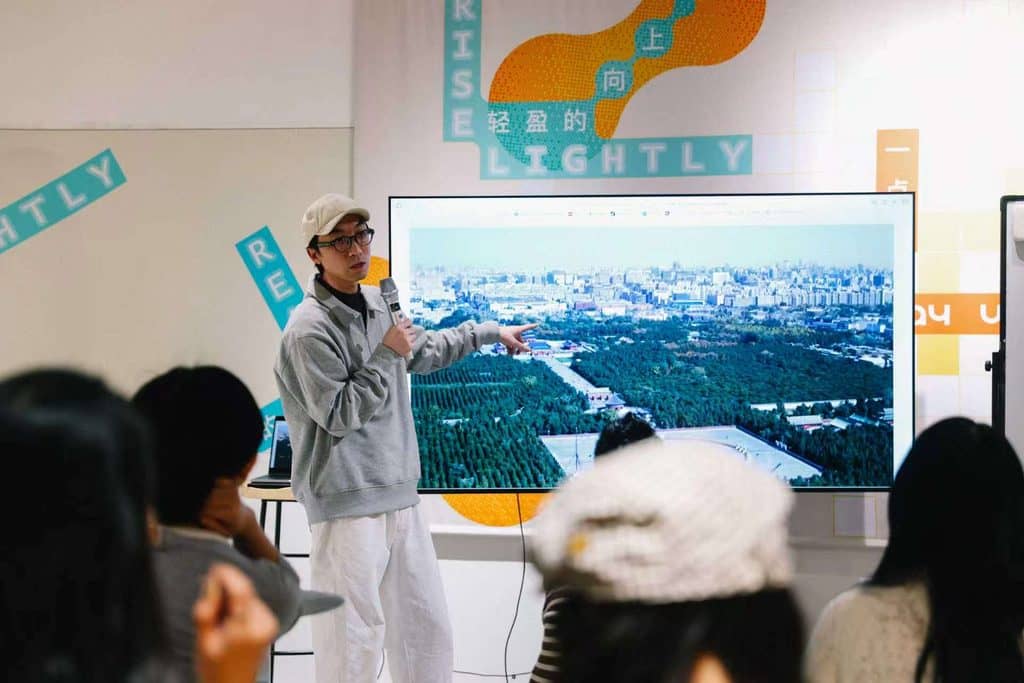
The commercial logic lies less in any single class than in creating a steady succession of reasons to return. Someone may first arrive for a running session, later sign up for photography and eventually come back with friends for coffee. The same physical destination can remain relevant to different parts of a consumer’s life rather than depending on new store openings or headline installations alone.
Maintaining that cadence requires infrastructure. SKP-S publishes monthly schedules and weekly updates, handles registration through its membership mini-program and maintains contact after sessions through instructor and participant communities. New class information, photographs and registration links keep the next interaction visible. These less conspicuous parts of the operation are what allow programming to develop into a retention mechanism rather than a series of disconnected events.
Curation as an Operating System
Frequency creates another challenge: more programming does not automatically create a stronger retail proposition. An expanding calendar of workshops and events can quickly lose coherence if consumers no longer understand what connects them.
SKP-S has tried to manage that through an annual thematic framework. “Meet Another Dimension” has remained part of its proposition since opening, while its 2026 direction, “In Search of Good Life,” positions the destination as “The Curator of Good Life.”
Seasonal themes provide a filter for what follows. “GRAND HOLIDAY-S” focused on gifting and celebration; spring and summer’s “Let’s Get Together” centered on movement, shared interests and participation; and the fall theme “Day Day Up,” a playful nod to a familiar Chinese phrase about steady self-improvement, shifted the focus toward small, tangible improvements in everyday routines.
During “Let’s Get Together,” three temporary experience areas translated the theme into different forms of participation: Hero Zone focused on physical engagement, Chill Zone on music and lingering, and Sync Zone on cooperation between participants. S-chool extended the same idea through classes in running, dance, floral design and coffee.
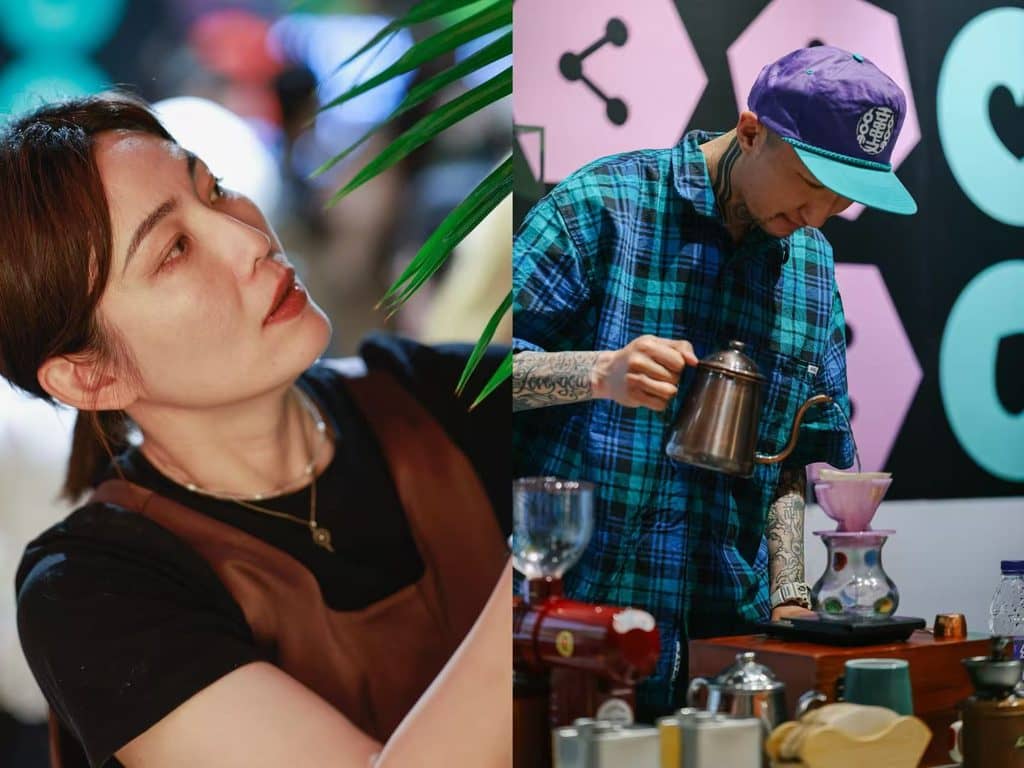
According to the SKP-S team, instructors develop classes around audience interests and S-chool themes, while participating brands may contribute products or create specialist content around temporary activations. SKP-S coordinates member invitations, communications and follow-up.
That curatorial layer is central to making frequency work. The annual framework gives SKP-S a basis for deciding which brands, instructors and experiences belong together while allowing the content to evolve with consumers’ interests. Recurring programming may create reasons to return; curation keeps those experiences recognizably connected to SKP-S.
Connecting Content With Commerce
This is where experiential programming is often hardest to get right. An event can generate engagement without making a product easier to understand or giving consumers a clear next step. SKP-S is using some S-chool sessions to place products and services inside specific use cases instead.
The HYPERICE recovery class linked products already sold at SKP-S with an immediate physical need. Participants encountered them after exercise, when their own bodies provided context for understanding recovery functions. Professional explanation, product testing and customer questions happened within the same experience.
A September skincare masterclass with MARGY’S followed a similar structure. Held during the brand’s pop-up at SKP-S, the session introduced professional treatment concepts and at-home skincare techniques. Participants received vouchers for a hand spa treatment, which could be booked in advance alongside product trials and skin consultations.
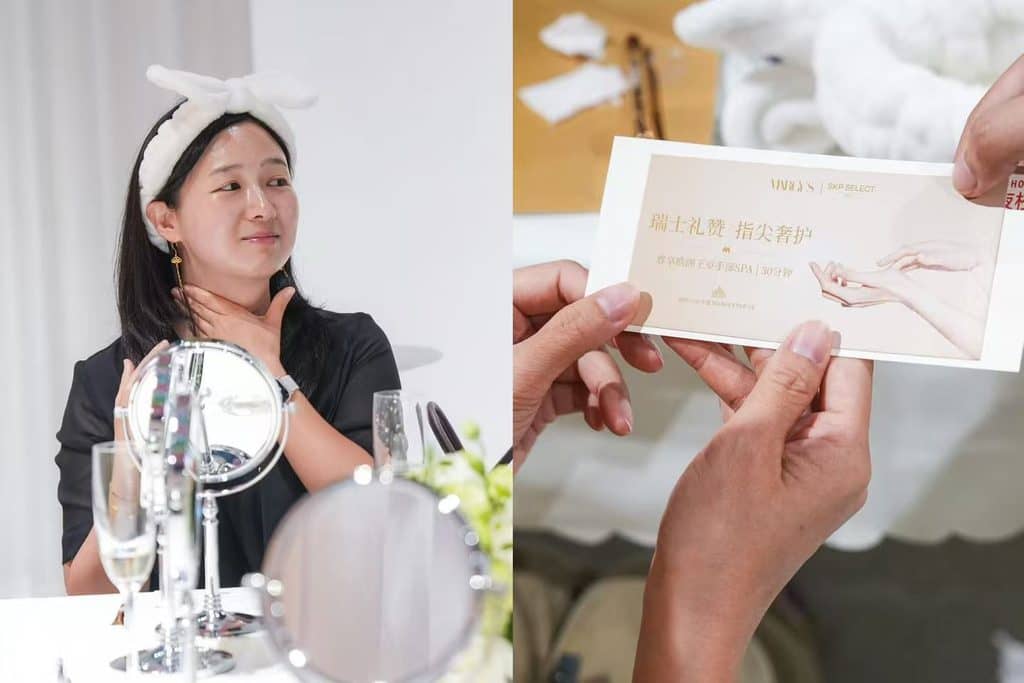
In both cases, content did not replace commerce; it created context for it. That distinction matters in premium retail, where many products require knowledge, trust and service before a consumer is ready to make a decision.
SKP-S has also extended the model beyond product education. Its S-chool Token, introduced in September, offered participants discounts at selected food and beverage outlets, giving them reasons to stay on at SKP-S after class. A 2025 JLL report, Shifting Priorities in Retail Design, identified accessibility as a leading consumer priority. The same principle applies to service design: registration, follow-up, benefits and booking all need to work smoothly if the wider experience is to feel coherent.
SKP’s anniversary celebration, scheduled for November 12 to 22, will bring the season together.
The underlying strategy depends as much on operational design as creative ideas. Large-scale activations can generate attention, while the systems around them determine whether that attention has somewhere to go afterward.
Building Loyalty Between the Big Moments
SKP-S’s approach points to a broader question for experiential retail. The sector has become highly skilled at producing moments—launches, installations, exhibitions and pop-ups—but customer relationships are also shaped by what happens between them.
Continuous programming is comparatively demanding to maintain. It requires a steady pipeline of relevant ideas, instructors and brand partners, as well as membership systems, community management and services that connect one touchpoint to the next. Its commercial contribution may also be less immediately visible than that of a conventional sales promotion.
The potential return is a different kind of value. Recurring programming can give consumers a reason to visit even when they are not actively shopping, gradually building familiarity with the space, its point of view and the brands within it. Products can be encountered through knowledge and use; shared interests can create social ties; and repeated visits can make SKP-S part of a consumer’s routine rather than simply a destination for occasional shopping or major events.
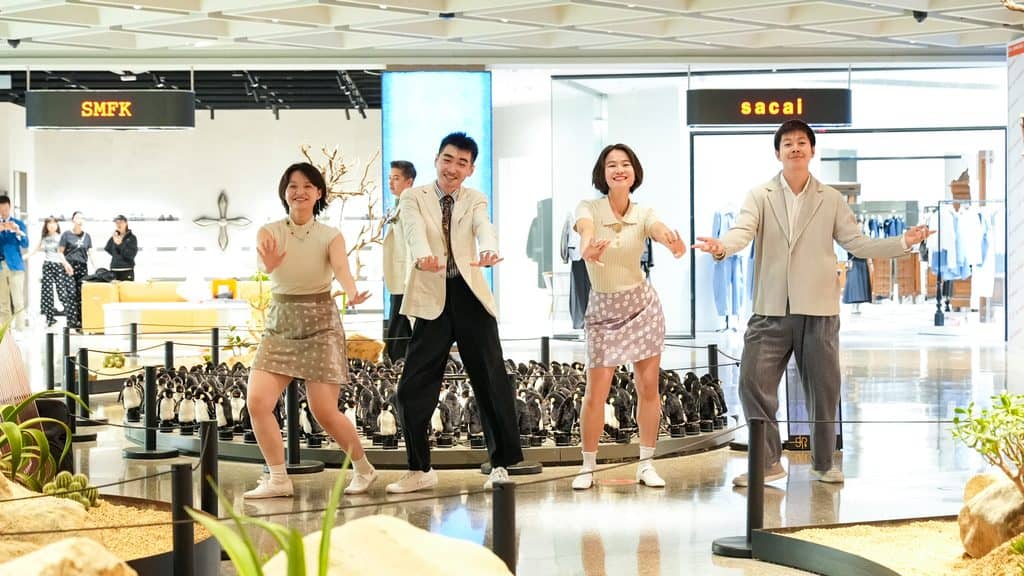
According to the SKP-S team, the next phase will continue to develop its “Good Life” content system and refine S-chool while balancing art, retail and lifestyle services. That makes the strategy less a rejection of spectacle than an attempt to give it a longer life.
For physical retail, attracting attention is only one part of the equation. The harder task is creating enough continuity between the major moments that consumers have a reason to return.