
As beauty shopping becomes more research-intensive, Sephora is using immersive experiences, professional curation and community to give consumers reasons to explore—and return.
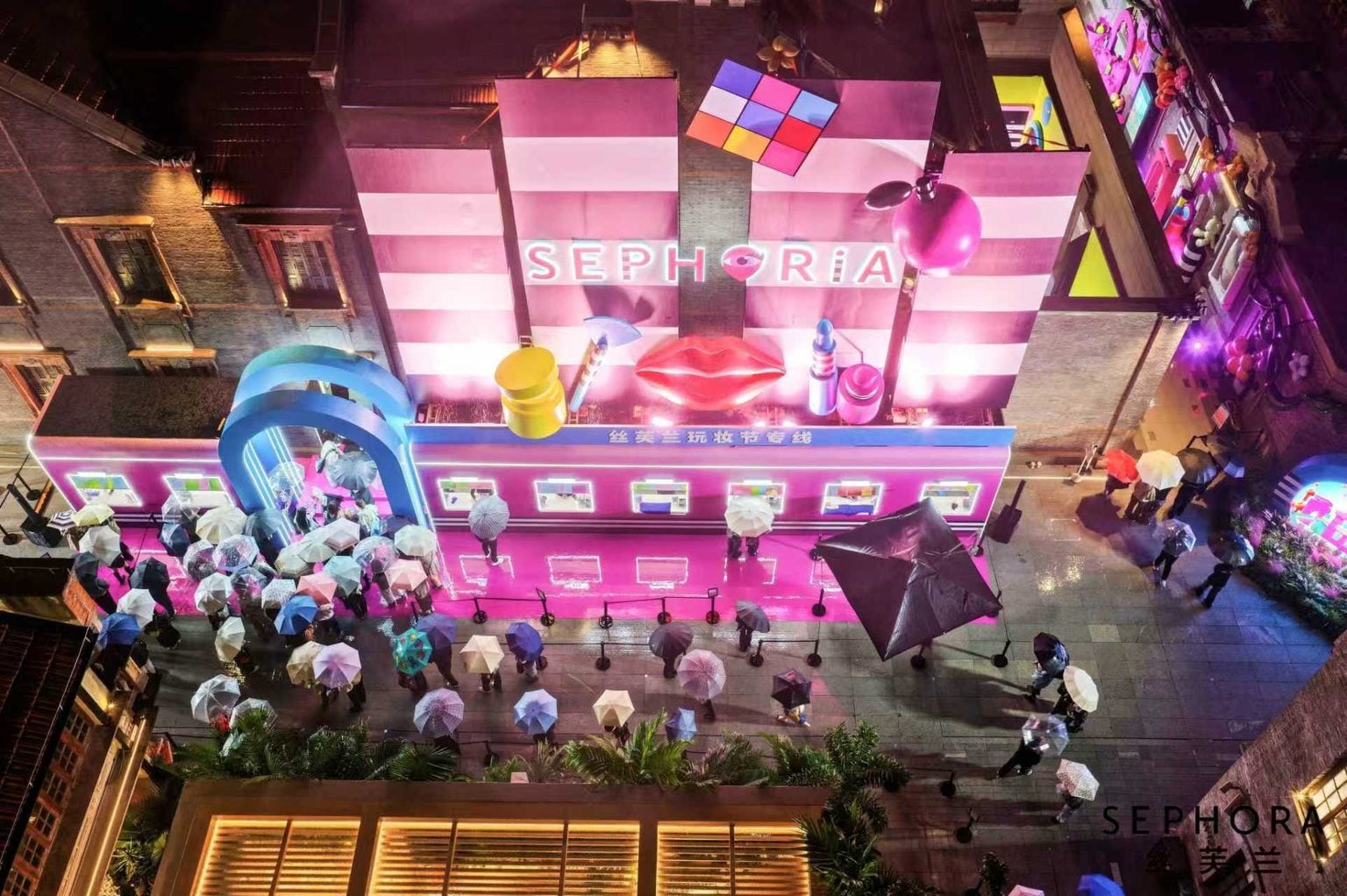
Rain did little to dampen enthusiasm at Shanghai’s Zhangyuan, where more than 4,000 beauty enthusiasts gathered for the 2026 edition of SEPHORiA from October 23 to 25. Returning to Shanghai for a fourth consecutive year, the event took over the historic shikumen neighborhood for the first time, turning its interconnected buildings and lanes into the SEPHORiA Beauty Metropolis, with seven themed districts of brand experiences, masterclasses and social activities.
The annual event offered a window into a larger question facing Sephora in China: How can a retailer make beauty shopping feel less like a research assignment and more like an opportunity to discover? From dedicated play spaces in its stores to the annual SEPHORiA event, the company has been making ‘Playful Makeup’ an increasingly visible part of its consumer strategy.
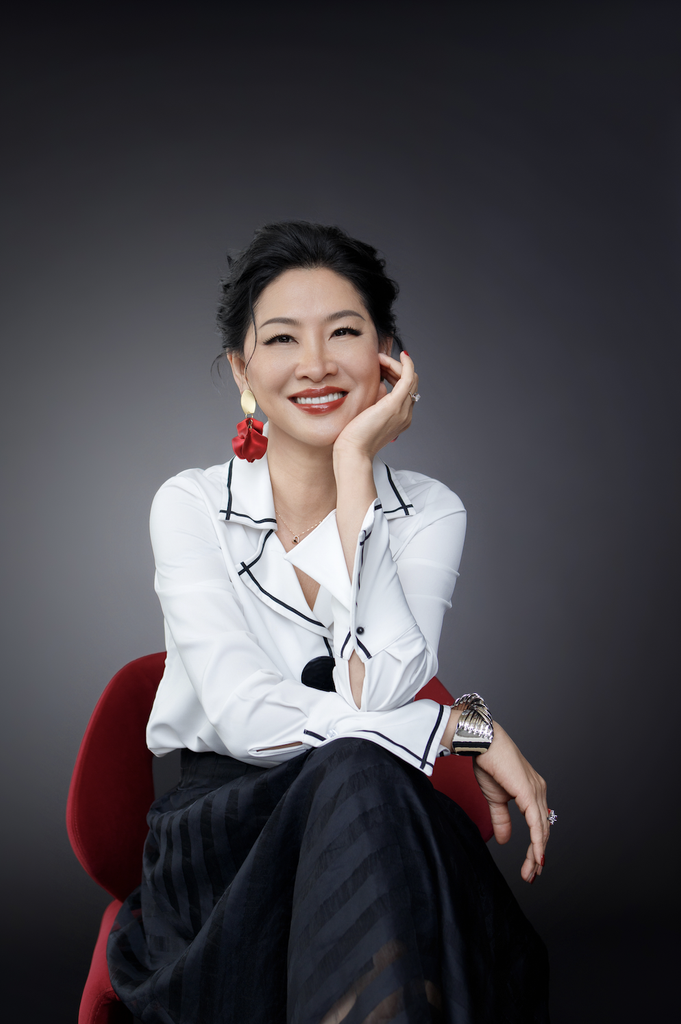
In an interview with BeautyMatter China, Ding Xia, Managing Director of Sephora Greater China, discussed why enjoyment and self-expression matter to beauty consumers, and why the strategy ultimately depends on the retailer’s less visible strengths: brand curation, professional advice and long-term trust.
A City for Beauty Enthusiasts
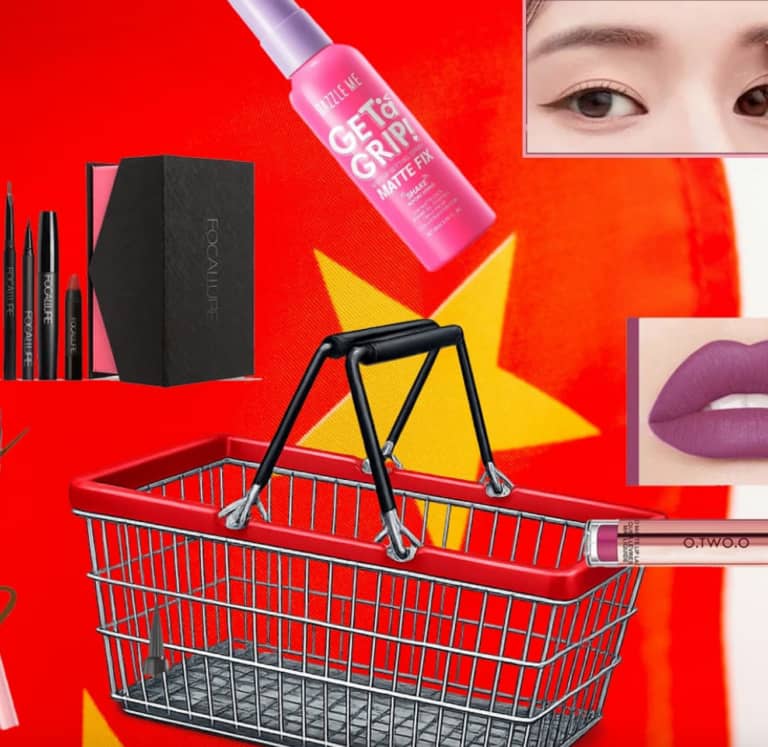
At Zhangyuan, visitors became ‘Beauty Residents’ and were invited to explore seven themed districts reflecting different aspects of city life. The ‘Food Court,’ ‘Beauty Stadium’ and ‘Beauty Underground’ brought dining, sport and nightlife into the beauty experience; the ‘Beauty Theater’ hosted professional classes, while the ‘Chinese Market’ highlighted domestic brands. Rather than moving past conventional product counters, visitors encountered beauty brands through games, installations and conversations.

For Ding, the idea begins with the pleasure of trying different beauty products. ‘Playful Makeup’ gives that impulse room to develop, encouraging consumers to experiment without treating every interaction as a decision about what to buy. It also brings people together. Beauty enthusiasts have spent years building communities around their interests, she observed, but opportunities to share those interests in person have been more limited.
Sephora invited more than a dozen Gold members from across China to the annual event, giving long-standing customers a chance to meet other beauty enthusiasts. Its membership program was also built into the event: visitors could redeem admission benefits with points, while Gold members had access to additional privileges. Sephora Global Chief Marketing & Purpose Officer Deborah Yeh has described this wider ambition as the creation of a vibrant, inclusive and creative community ecosystem.
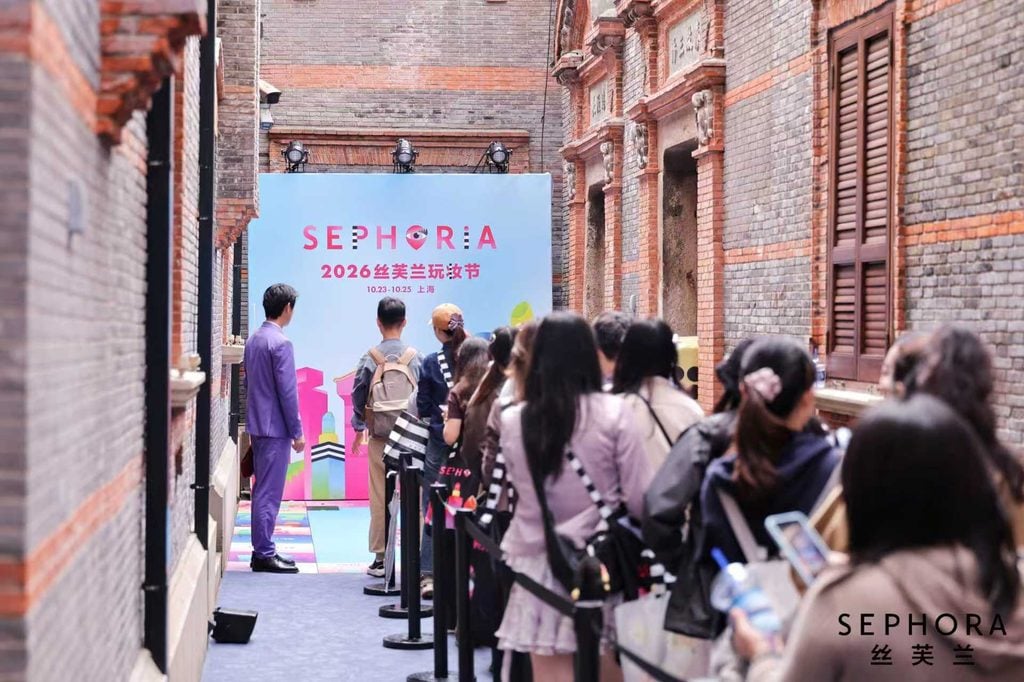
Participation figures suggest that the approach is resonating. The number of tickets redeemed by members rose 22% year on year, early-bird tickets sold out before the event, and the participating brand count increased from 47 to 61. For Sephora, the growing involvement of both consumers and brands points to SEPHORiA’s potential as a continuing point of connection rather than simply a three-day showcase.
The Expertise Behind the Play
If play creates the invitation, professional expertise gives consumers the confidence to accept it. ‘As a beauty retailer, we connect consumers and brands. We play the role of a bridge,’ Ding said. ‘We have to value the trust consumers place in us, and the trust brands place in us.’
Chinese consumers have become more knowledgeable about beauty products, ingredients and formulations. Yet an abundance of information can make choosing more difficult, not less. Ding sees Sephora’s role as extending beyond helping a shopper locate a product quickly. Through carefully selected brands, knowledgeable beauty advisors and the opportunity to try products in person, the retailer aims to make room for informed discovery.
That judgment draws on Sephora’s understanding of global beauty trends as well as its own consumer relationships. Ding said Sephora has more than five million members in China. Purchasing patterns and feedback gathered through its online and offline channels inform merchandising decisions and help beauty advisors tailor recommendations to individual needs. ‘To some extent, this data has become our moat,’ she said.
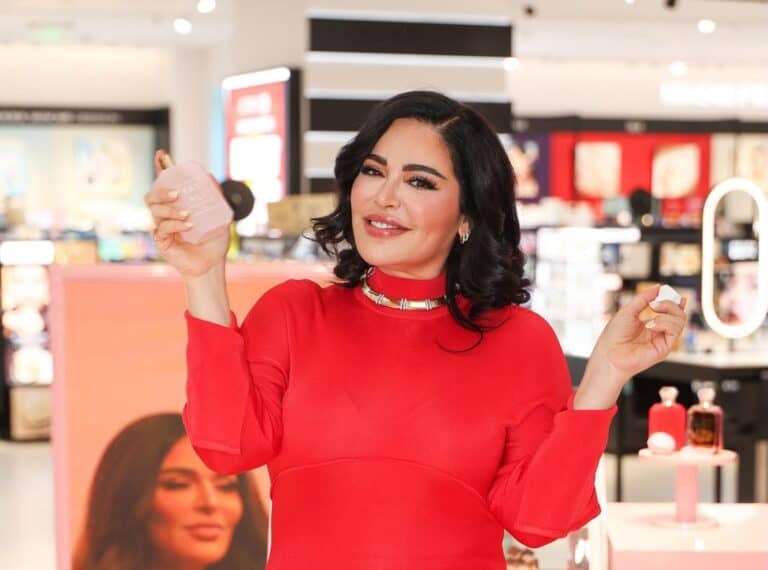
The expertise is not limited to what appears on shelves. More than 40 masterclasses took place during SEPHORiA, connecting visitors with founders, artists and other beauty specialists. KAYALI founder Mona Kattan joined En-Li to discuss fragrance layering, while Paul Thomas, a member of the CAUDALIE founding family, shared the brand’s approach to skincare. For Ding, the participation of these experts also reflects their trust in Sephora’s ability to bring them into contact with an engaged audience.

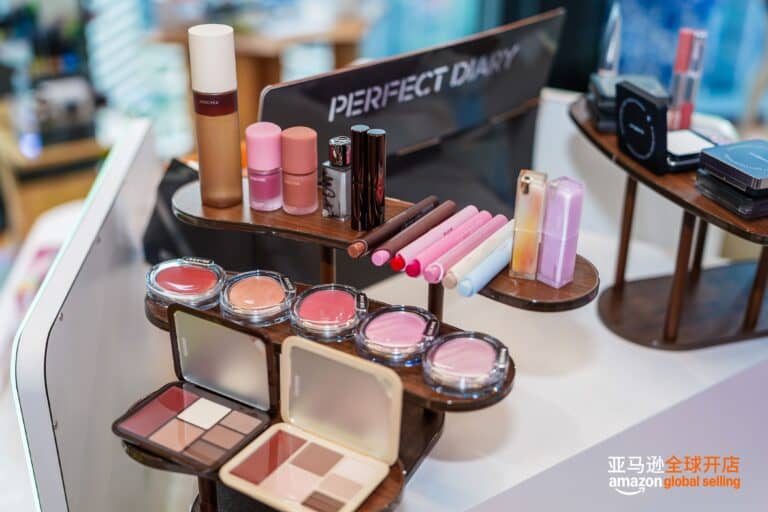
The 2026 event featured more than 60 brands, the largest lineup in SEPHORiA’s history, including more than 20 Chinese beauty labels in the ‘Chinese Market’ district. Their presence reflected Sephora’s growing commitment to domestic brands and gave these labels an opportunity to communicate their identities beyond a conventional product display.
In late 2025, Sephora introduced Chinese brands including JOOCYEE, PASSIONAL LOVER and CENSTO. Another 11 brands, among them FLORASIS, PERFECT DIARY and Grain Rain, joined in April 2026. Ding said the retailer now carries more than 30 Chinese beauty brands, with further additions planned. She pointed to the strength of their research and development, speed of response to market needs, competitive value and ability to form emotional connections with consumers.
That enthusiasm comes with a condition: brands need the capacity to endure. ‘If a brand is only a flash in the pan, we certainly wouldn’t work with it, because we have a responsibility to consumers,’ Ding said. For those with long-term potential, she sees an opportunity for Sephora to eventually help them reach markets beyond mainland China, including Hong Kong, Singapore, other parts of Southeast Asia and the United States. The ambition would extend Sephora’s role as a bridge from introducing brands to Chinese shoppers to helping promising Chinese brands find audiences abroad.

Turning an Event Into an Everyday Experience
The more difficult test comes after the annual event ends. Ding acknowledged that the team is thinking about how to carry the spirit of SEPHORiA into ordinary shopping trips, when consumers may not be attending a large event or looking for a particular product.
One experiment is Beauty Neighborhood, a themed experience space opened in May 2026 on the second floor of Sephora’s Xiangyang flagship store on Shanghai’s West Nanjing Road. Drawing on the city’s lane-house culture, the space combines brand collaborations, interactive experiences and member activities in a format that can be refreshed over time. Ding said Sephora is considering bringing the concept to other cities following its reception in Shanghai.
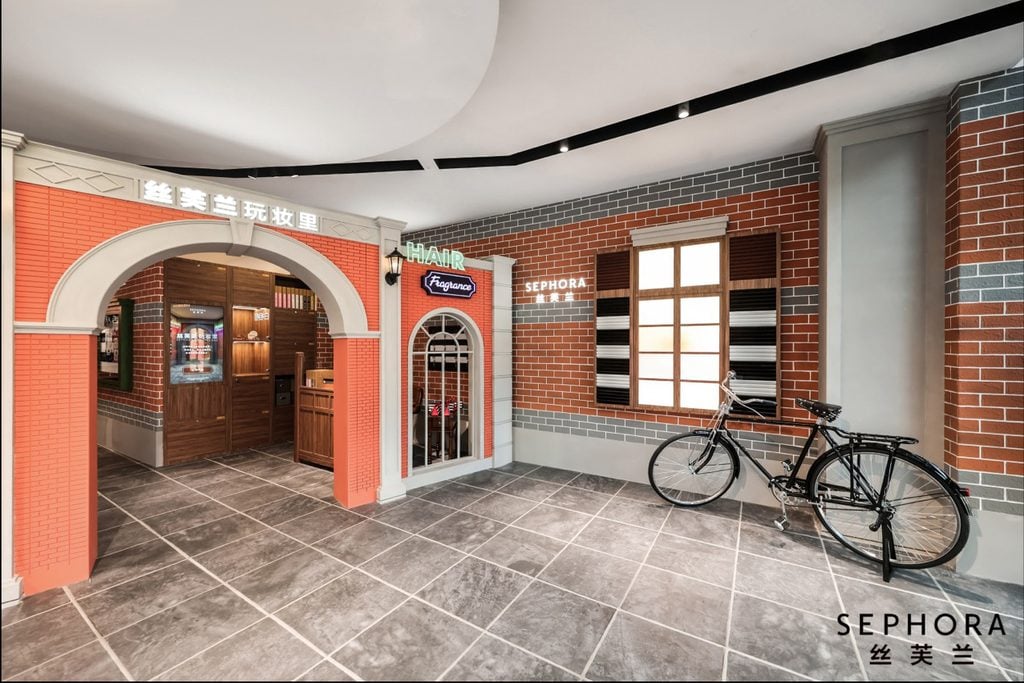
Elsewhere, the retailer has introduced ‘Playful Makeup’ spaces and seasonal activities in stores across nearly 100 Chinese cities, including shopping games around major holidays. Digital interactions extend the idea beyond physical stores: Sephora’s WeChat mini program offers games throughout the year, and members can use points to redeem rewards or SEPHORiA tickets. Together, these touchpoints are intended to turn play from an annual occasion into part of the retailer’s regular relationship with customers.
The brand has also tied this approach to a broader message that beauty has no single right answer. Its campaign lineup announced in September, featuring Tian Xiwei, Zhao Lina and En-Li, drew on different expressions of style, sport and creativity to encourage consumers to explore beauty on their own terms. But the ability to make that message meaningful in stores rests on familiar retail fundamentals: an assortment worth exploring, the freedom to try, trusted guidance and a community people want to return to.

For Sephora, then, the business of play is not only about giving consumers a reason to visit. It is about ensuring that a visit can lead to discovery, that discovery can build confidence, and that the experience offers enough value and connection to bring people back.