
On Amazon, searches for “NAD beauty products” surged 5,710% year over year. Interest in PDRN, ectoin and exosomes also rose sharply, bringing scientific terminology once largely associated with biotechnology and medical research into everyday beauty shopping.
The figures, presented by commerce growth agency Front Row, point to a shift in how consumers discover beauty products. Alongside familiar brands and product categories, shoppers are increasingly searching for specific ingredients, technologies and functional benefits.
At BeautyMatter’s 2026 State of Play event, Emily Safian-Demers, Vice President of Insights at Front Row, examined Amazon search and sales data to identify emerging opportunities at the intersection of beauty, health and wellness.
Her findings reveal how changing attitudes toward well-being are influencing spending priorities, product innovation and the language consumers use to search for beauty products.
Wellness Becomes a Premium Proposition
Health and wellness are taking on a more prominent role in how consumers express their identities and spend their discretionary income.
According to Safian-Demers, some affluent consumers are redirecting spending from designer fashion and leather goods toward beauty, health and wellness, a shift that is becoming visible in the broader consumer market.
Retailers are responding. Nordstrom and Macy’s have given beauty more prominent positions in their stores, while apparel brands including SKIMS, Gap and Old Navy have expanded into beauty-related categories.
Premium products are also finding substantial demand through mass-market digital channels. During the first five months of 2026, beauty products priced above $100 generated more than $900 million in Amazon sales, up 14% year over year, according to Front Row.
Fragrance offers another example of beauty’s expanding relationship with well-being.
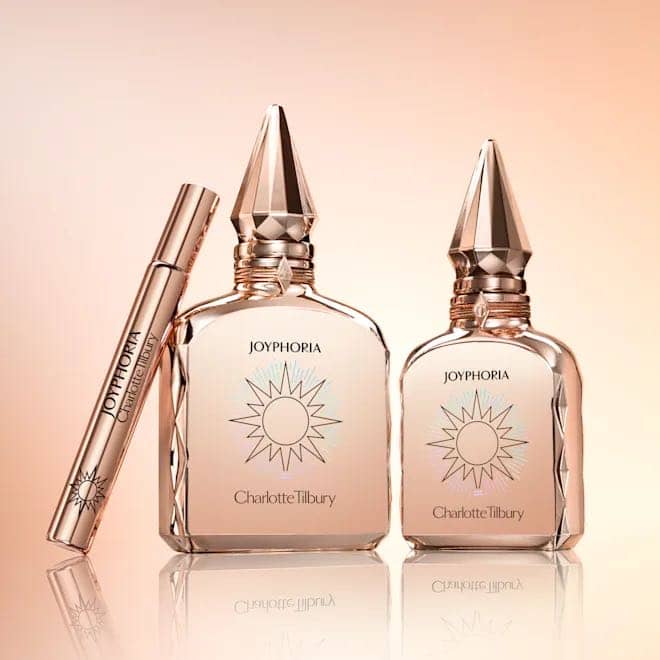
Brands are increasingly exploring the connection between scent and emotional experience. Vyrao has developed fragrances inspired by neuroscience, while Charlotte Tilbury’s Fragrance Collection of Emotions links scent compositions with different emotional states. Estée Lauder has also collaborated with Dresden University of Technology to research the relationship between fragrance and emotion.
For a category traditionally marketed through scent composition, personal style and desirability, emotional well-being is becoming another dimension of product positioning.
This approach has particular relevance online, where consumers cannot smell a fragrance before purchasing. Emotional storytelling offers brands another way to communicate an inherently sensory experience, although claims about psychological benefits require appropriate scientific support.
The broader fragrance category continues to show growth. According to Front Row, Amazon fragrance sales approached $600 million between January and May 2026, increasing 6% year over year.
Science Reshapes Beauty Innovation
As consumers become more familiar with active ingredients and clinical technologies, scientific research is playing a greater role in product differentiation.
Safian-Demers identified biotechnology as an important driver of product efficacy and long-term competitive advantage, particularly for brands developing proprietary ingredients and technologies.
Industry activity reflects this interest. Debut Biotech has developed a proprietary skin-firming ingredient, Mother Science is bringing biotechnology-led skincare to a wider audience, and Olaplex has acquired biotechnology company Purvela Bioscience.
Consumer search behavior offers further evidence of growing curiosity about advanced ingredients. Alongside the sharp rise in NAD-related searches, Front Row recorded increasing interest in PDRN, ectoin and exosomes.
These ingredients have different scientific backgrounds and levels of supporting evidence, but their growing visibility suggests that consumers are becoming more comfortable using specialized terminology to discover and evaluate beauty products.
Clinical technologies are also entering the offerings of established beauty businesses. Safian-Demers described the emergence of “branded procedures,” in which companies expand from conventional skincare into devices and treatments more commonly associated with medical aesthetics.
Dermalogica has introduced an FDA-cleared microneedling pen, while Hims & Hers has launched the prescription ClearPen. Both illustrate the expanding commercial space between beauty and clinical treatments, where regulatory requirements and substantiated performance claims become particularly important.
Meanwhile, ingredients traditionally associated with other categories are finding new applications in beauty.
Electrolytes, long associated with sports nutrition and hydration, are appearing in skincare. Milk Makeup has introduced an electrolyte lip balm, while Cocokind has developed an electrolyte-powered moisturizer.
Amazon searches for electrolytes increased more than 330% over three years. During the first five months of 2026, skincare products carrying electrolyte-related claims recorded a 131% year-over-year increase in sales.
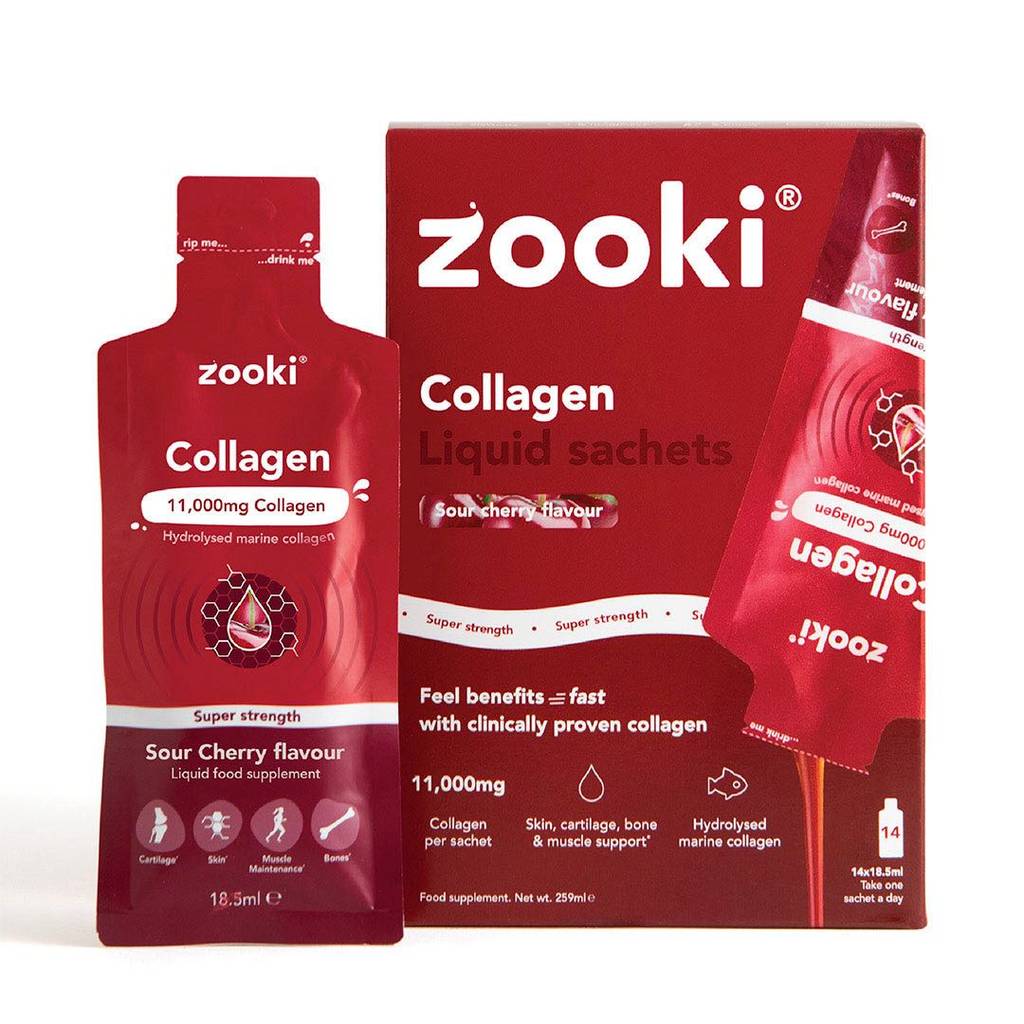
The relationship between beauty and broader physical health is also attracting commercial interest. Gut health, traditionally associated with digestion, is increasingly being discussed alongside skin condition, hormonal health and immunity.
Brands including Evvy, Sakara and Arrae are developing offerings around interconnected health concerns. According to Front Row, Amazon sales of digestive supplements marketed for hormonal support increased 60% year over year, while digestive supplements carrying immunity-related claims generated nearly $250 million during the first five months of 2026.
These developments reflect growing interest in products positioned around multiple dimensions of well-being, even as the scientific evidence supporting individual claims varies.
For beauty brands, the data provides another way to observe changing consumer priorities.
Search trends can reveal which ingredients, technologies and benefits are attracting attention before they become established product categories. For Chinese beauty companies exploring overseas markets, such information can complement consumer research and help identify opportunities for product development.
Yet rising search volumes do not necessarily translate into lasting demand. The rapid growth in interest surrounding NAD, PDRN and other emerging ingredients offers an early indication of where consumer curiosity is moving. Whether that interest develops into sustainable categories will depend on the products, evidence and consumer experiences that follow.
Editor’s Note: This article was originally published in Chinese on BeautyMatter’s WeChat account and has been translated, edited, and adapted for Jingzhi Chronicle’s international readership.