
As more Chinese fashion labels enter higher price segments, Tmall’s Singles’ Day offers a closer look at the changing dynamics of China’s premium fashion market.
For much of its 18-year history, China’s Singles’ Day shopping festival has been defined by record-breaking transactions and blockbuster sales. But as the fashion industry enters a new cycle, the country’s biggest shopping event is also offering a revealing look at the rise of premium Chinese fashion brands.
Within the first four hours of Tmall’s 2026 Singles’ Day sales, 124 brands across categories had surpassed RMB 100 million in sales. Beyond the familiar milestones, a broader shift is taking shape in fashion. According to Tmall, the number of Chinese fashion brands generating more than RMB 10 million in annual sales with an average order value above RMB 1,500 grew by more than 50% over the past year. Across Chinese fashion brands on the platform, average order value climbed from RMB 1,123 to RMB 1,309, while new products accounted for 43% of sales among Chinese mid- to high-end fashion brands.
The gains come at a challenging time for the fashion industry. Traffic-driven growth has become harder to sustain, bestsellers are increasingly difficult to replicate, and consumers are more selective about their purchases. Yet a growing number of Chinese labels are finding opportunities in higher price segments, building businesses around distinctive aesthetics, specialized products and increasingly specific consumer needs.
Beyond the RMB 1,500 Threshold
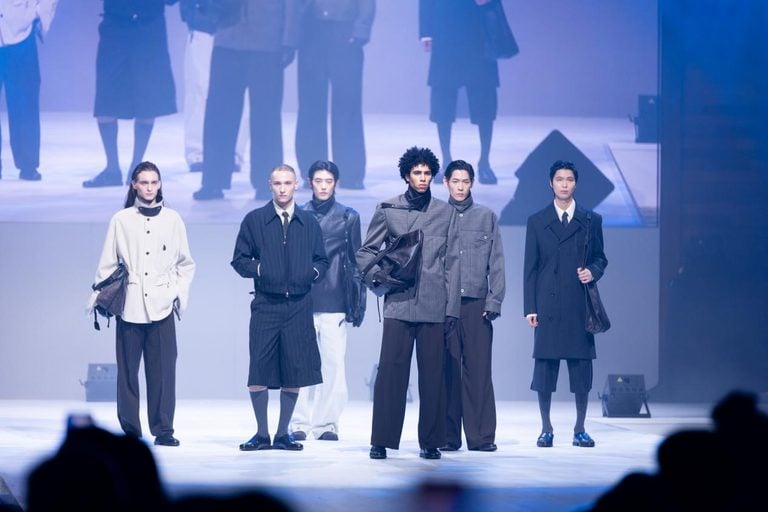
Chinese fashion labels have become increasingly visible in recent years, appearing at international fashion weeks and attracting interest from foreign visitors shopping in China. At home, brands such as ICICLE, Qiu Zhen and PANE have demonstrated the commercial potential of premium positioning. But whether their success represents a broader industry trend or a collection of exceptional cases has remained an open question.
Tmall’s latest data provides a wider view of the market. In the RMB 1,500 to RMB 2,000 price segment, historically dominated by international accessible luxury brands, sales grew at six times the rate of the platform’s overall apparel business. The expansion spans several categories, each at a different stage of development.
Womenswear has an established premium segment, where new collections have become an important driver of sales. During this year’s Singles’ Day, products introduced within the year accounted for 48.3% of sales among premium womenswear brands.
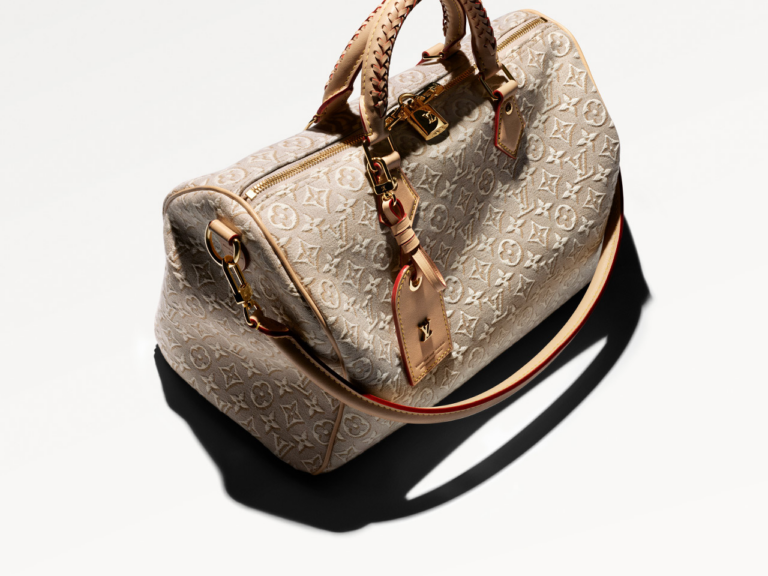
Handbags are another area of growth. Chinese premium handbag brands have reached an average price of RMB 1,856 and now account for 25.2% of handbag spending on Tmall. Sales in the segment grew 35.3%, bringing domestic labels further into a price category traditionally associated with international accessible luxury brands.
Footwear is attracting more entrants, with the number of newly added brands in the premium segment growing 30.6%. Average order value rose from RMB 901 to RMB 1,123. Menswear remains less developed at the higher end, with premium penetration of just 4%, although brands such as Biemlofen are moving up the platform’s sales rankings.
The changing composition of Tmall’s fashion business is equally revealing. Nearly 40% of the positions in its top 2,000 fashion-brand rankings have changed hands over the past three years. More than 100 emerging brands that joined the platform within the past five years crossed the RMB 100 million sales threshold within three years.
This year’s Singles’ Day ranking of high-potential merchants also features an increasingly diverse group of independent labels, including InHug, MAGGIE MA and CNLEEWEI. Their products and design languages differ considerably, reflecting the expanding range of aesthetics finding commercial audiences in China’s fashion market.
Why Niche Appeal Is Becoming a Competitive Advantage
The growth of premium Chinese fashion comes amid changing consumer expectations. As digital content becomes increasingly personalized and shopping preferences more fragmented, the traditional strategy of creating widely appealing bestsellers has become harder to sustain.
Consumers are also becoming more specific about what they want. According to Tmall, 83% of consumers now express clear preferences for particular fabrics, while searches are increasingly shaped by age, body type and wearing occasions rather than broad product categories alone.
For some emerging Chinese brands, specialization has provided a way into the market.
Leather goods brand Qiu Zhen focused on water-dyed, vegetable-tanned leather when the material remained relatively unfamiliar to mainstream Chinese consumers. The brand spent years educating consumers about the material before establishing its own leather production team in 2023. Its cumulative investment of more than RMB 70 million helped turn its expertise in materials into a more scalable supply capability.
Footwear label PANE approached the market through comfort and fit. Founded in 2022 by a team with seven years of experience in apparel and supply-chain operations, the brand concentrated on refining comfort, fit and product consistency. Within three years, its gross merchandise value on Tmall exceeded RMB 100 million, while its repeat purchase rate through privately managed customer channels reached 40%.
The two brands followed different paths, but both developed their businesses around clearly defined product characteristics. Newer labels, including MAGGIE MA and LEDIM WANG, are pursuing their own approaches through distinctive design languages and product offerings.
As more brands enter the premium segment, consumer search behavior is providing another indication of how they are establishing recognition.
An earlier analysis of 15 Chinese mid- to high-end fashion brands found that all recorded stronger brand-name search interest than the averages for their respective product categories. ICICLE registered a branded-search figure of 51%, approaching the 55% average for luxury womenswear. Biemlofen and outerwear brand Gaofan recorded 51% and 55%, respectively, compared with a 50% average for luxury menswear.
The distinction between searching for a brand and searching for a product category matters. When consumers search directly for ICICLE or Songmont rather than generic terms such as womenswear or handbags, the brand itself has already entered their purchase considerations. Although search activity alone cannot establish brand equity, it offers an indication of how consumer behavior is changing.
Other indicators provide a picture of how these preferences translate into purchases.
During Tmall’s 618 shopping festival earlier this year, the contribution of new products to Fabrique’s sales increased from 69% to 73%, while its share of new customers reached 70%. ICICLE’s new-product sales contribution rose from 49% to 57%. PANE recorded a repeat purchase rate of approximately 40% through its privately managed customer channels, while COTEMP’s repeat purchase rate reached 42%. Across the relevant group of brands, repeat purchase rates ranged from 30% to 68%.
The figures capture different aspects of brand development, from attracting new customers to encouraging existing ones to return. They also highlight the limits of equating premium pricing with luxury status. While younger Chinese brands are beginning to establish recognizable identities and more consistent consumer relationships, the heritage and cultural influence associated with established global luxury houses remain assets that can only be built over time.
From Driving Transactions to Building Brands
As Chinese fashion brands expand into higher price segments, Tmall is adjusting how it identifies and supports merchants with long-term growth potential.
Since 2025, the Alibaba-owned platform has pursued a strategy focused on supporting high-quality merchants, placing greater emphasis on product quality, design and long-term brand development. Its assessment of merchant performance has expanded beyond gross merchandise value to include confirmed sales after returns, repeat purchases and customer retention.
The approach comes as China’s increasingly fragmented fashion market presents new challenges for online retail. Smaller designer labels may have highly engaged audiences without the broad recognition needed to generate substantial traffic. For platforms, connecting those brands with consumers who share their preferences has become an increasingly important part of the business.
Tmall’s 88VIP premium membership program now has more than 64 million members, while high-value customers contribute approximately 80% of growth in the platform’s fashion business. Search, recommendation systems and customer segmentation allow brands with relatively specialized offerings to reach potential buyers across the country rather than relying on a limited local audience.
The platform has also expanded its efforts to identify promising labels through initiatives such as the Huafu Awards. Rather than relying solely on sales rankings, the awards consider design, craftsmanship and brand potential. This year, Tmall introduced a dedicated section for pioneering design, recognizing a broader range of creative approaches.
Brands previously identified through the initiative, including Fabrique, LEDIM WANG and MAGGIE MA, have collectively recorded growth exceeding 20%, according to Tmall.
Reaching customers, however, remains only part of the challenge for premium fashion brands. Higher prices often reflect differences in fabrics, construction, fit and craftsmanship that can be difficult to communicate through conventional online product listings.
This year, Tmall introduced its Super Flagship initiative, bringing together product information, brand content and AI-assisted explanations of product quality. Technical specifications can be translated into more accessible descriptions of the wearing experience, while seasonal collections, lookbooks and material stories give consumers a fuller picture of a brand’s design and production approach.
MAGGIE MA has described Tmall as increasingly resembling a high-end shopping mall online. ICICLE, meanwhile, began operating its flagship store along the lines of a physical boutique seven years ago, using its online presence to communicate more than individual product features.
These initiatives form part of Tmall’s efforts to support longer-term brand development. Alongside traffic and transactions, the platform is placing greater emphasis on confirmed sales, membership, search activity and repeat purchasing as indicators of business performance.
For Chinese fashion labels, entering higher price segments is only an initial step. This year’s Singles’ Day data offers evidence that premium pricing, demand for new collections and substantial sales volumes can coexist across a growing group of domestic brands. Sustaining that progress, however, will depend on continued investment in design, cultural expression, supply-chain capabilities and consumer relationships.