

In June, Chinese artistic fragrance brand To Summer announced Blue Heat, a limited-edition collaboration with French fashion label Isabel Marant.
The partnership marks To Summer’s first collaboration with an international fashion brand, and Isabel Marant’s first with a Chinese brand in its three-decade history.
The collection comprises an eau de parfum and a solid body fragrance balm, accompanied by the Summer Cabana, a temporary installation staged from June 6 to 21 at To Summer’s Xianting location in Shanghai.
The two brands described the project as “a dialogue between cool girls from East and West,” framing it around women, self-expression and summer living. Visitors could sample the fragrance in a space designed for reading, resting and conversation.
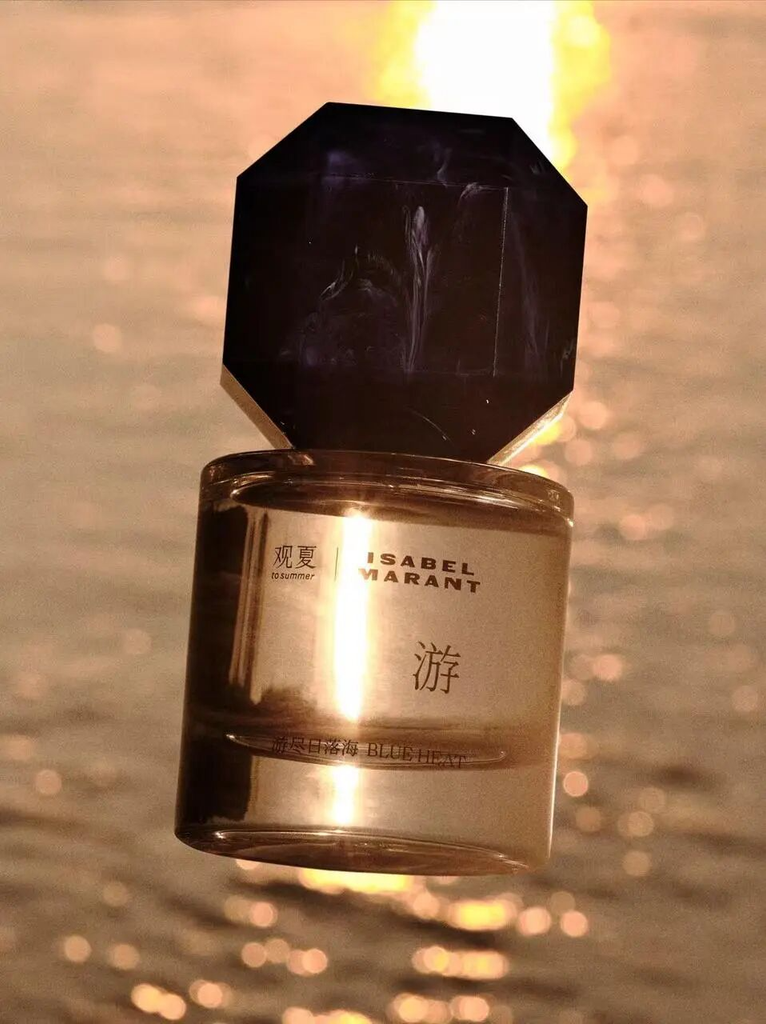
More than an international collaboration, the project offers a glimpse into a question facing a growing number of Chinese brands: how can a sensibility formed within a specific cultural context resonate with consumers who may not share the same references?
To Summer’s answer is not more explanation. It begins with the senses.
Fashion as a Sensory Language
Scent communicates before it is intellectually understood. Consumers encounter it through memory, mood and physical sensation long before they consider an ingredient’s provenance or cultural associations.
Fashion adds another dimension.
In Blue Heat, To Summer’s interpretation of Eastern scent meets Isabel Marant’s faded denim, relaxed silhouettes and free-flowing fringe. Sandalwood, orange blossom and jasmine sit alongside fabric, skin and movement, giving an intangible olfactory atmosphere a visible and tactile form.
The fragrance is designed to evoke a mood and a scene rather than simply communicate a cultural reference. Summer heat, fragrance on skin, clothing, travel and the freedom of a seaside holiday create an experience that can be understood intuitively across cultures.
Isabel Marant is a natural partner in this respect. Since the mid-1990s, the French brand has built a recognisable identity around relaxed, lived-in femininity, designing clothes intended to move through work, travel and everyday life.
That sensibility aligns with To Summer’s own interest in the relationship between scent, the body and lived experience. Fashion does not simply make its fragrance more visible; it makes the brand world more embodied.

From Eastern Aesthetics to Sensory Experience
Eastern aesthetics have become an increasingly familiar language within China’s fragrance market. Botanical imagery, traditional architecture, natural materials and references to regional culture have helped domestic brands establish identities distinct from Western fragrance conventions.
To Summer remains rooted in that context. Its fragrances draw on Chinese ingredients and landscapes, and the brand has traced aromatic materials back to their geographic origins.
But its wider world increasingly extends beyond cultural symbols.

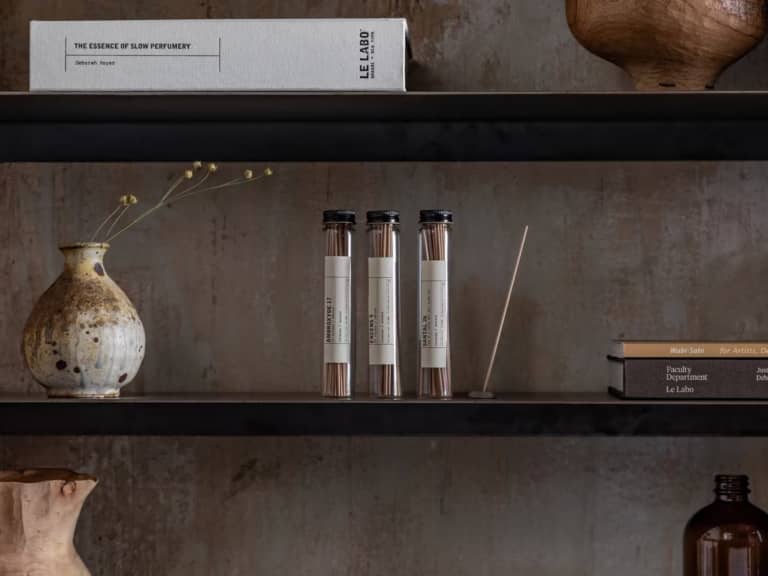
At Xianting in Shanghai and Guozijian in Beijing, scent sits alongside reading, tea, exhibitions and conversation. Its independent publication, Nosepaper, explores travel, the humanities and embodied experience, while community programming brings similar ideas into everyday settings.
Fragrance remains the point of departure, but it has become part of a broader proposition about how people experience daily life.
The Summer Cabana follows the same logic. Rather than presenting the collaboration solely through product or campaign imagery, it placed fragrance inside an environment built around rest, reading and conversation.
Culture, in this context, is not only something to be represented or explained. It becomes something to be experienced.
Finding Resonance Across Cultures
As more Chinese brands reach international consumers, the challenge is not simply how to communicate where they come from, but how to make a locally rooted sensibility resonate with people who may not share the same cultural references.
Some brands foreground recognisable Chinese symbols. Others lead with craftsmanship, heritage or traditional narratives. To Summer’s collaboration with Isabel Marant suggests another route: creating connection through the senses.
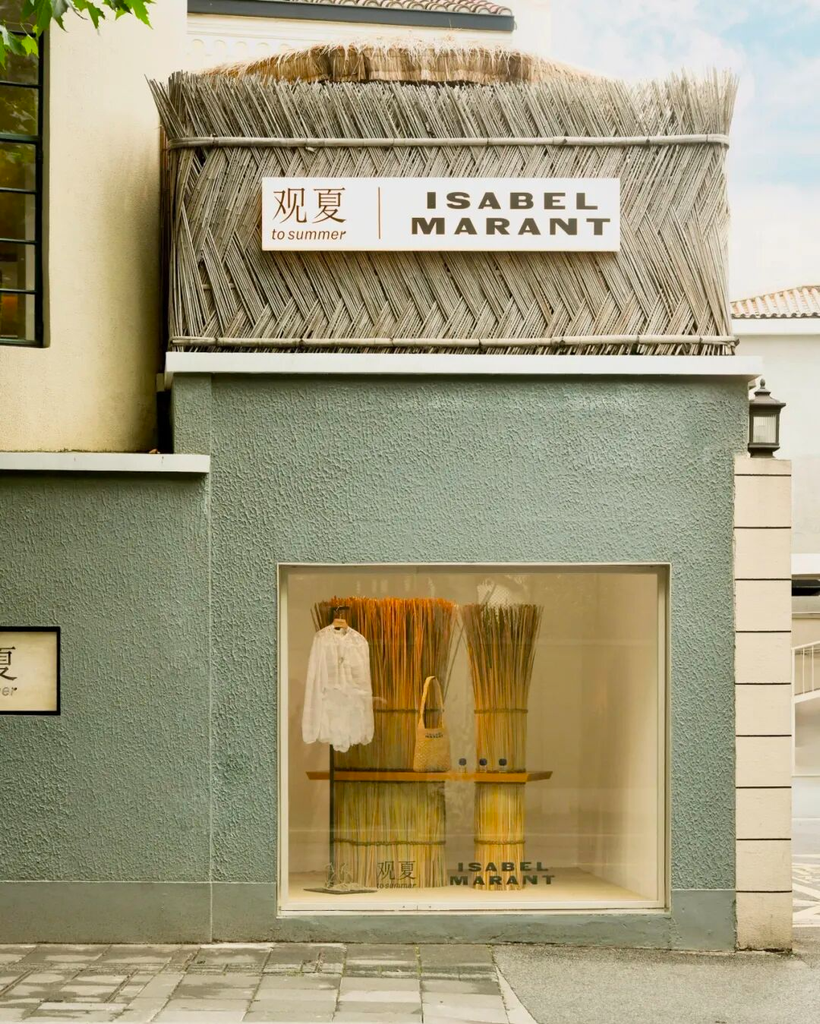
Scent, clothing, skin and movement come together in Blue Heat, while summer, travel and women’s everyday experiences provide common ground between two brands shaped by different cultural contexts.
Sensuality becomes a bridge—not because it erases cultural difference, but because it can be felt without first being explained.
To Summer’s cultural roots remain embedded in its ingredients, landscapes and approach to everyday life. Yet consumers do not necessarily need to understand those references before responding to the world the brand creates.
For Chinese brands seeking resonance across cultures, that may be the more interesting lesson. Cultural translation does not always require making cultural difference more explicit, nor does global relevance require flattening it into something generic.
Sometimes connection begins somewhere more immediate.
Before culture is understood, it can be felt.