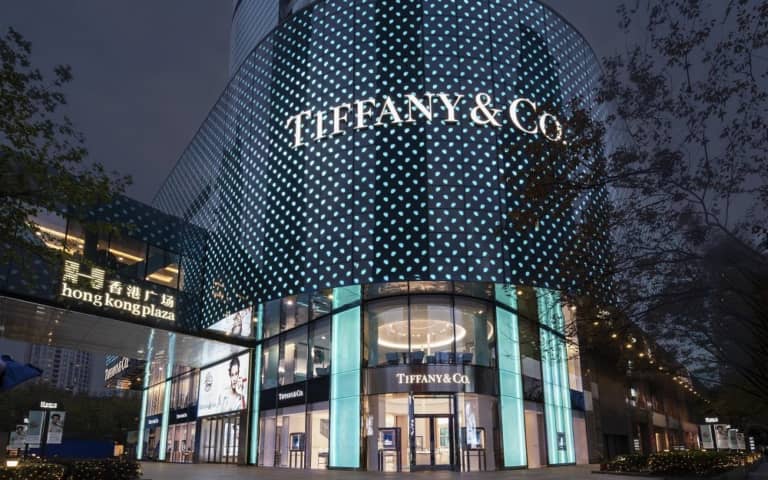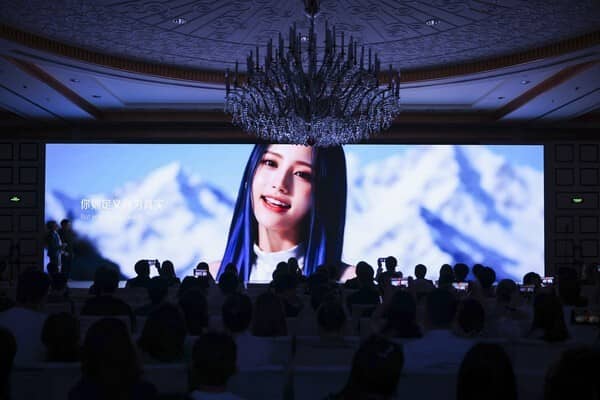


In China, May 20 — known as “520” because its Mandarin pronunciation resembles “I love you” — has evolved into one of the country’s most commercially significant romance-driven shopping moments. For luxury brands, the date has long served as a predictable stage for grand declarations of love: celebrity couples, heart-shaped capsules, cinematic gifting campaigns, and carefully orchestrated displays of devotion.
But this year, something feels different.
Across China’s luxury landscape, the familiar visual language of grand romance is beginning to soften. Instead of idealized love stories and dramatic emotional spectacle, brands are turning toward quieter forms of intimacy: companionship, emotional ease, selfhood, and the texture of everyday relationships.
Luxury brands have always been sensitive to emotional change. And over the past few years, young Chinese consumers’ understanding of intimacy has been shifting in visible ways. From yueji — self-pleasing consumption — to low-intensity relationships, emotional stability, and companionship, the vocabulary surrounding love has become more restrained, fluid, and self-aware.
Consumers are increasingly fatigued by standardized romance. They are less easily moved by overproduced love stories and more attuned to the small emotional realities within relationships: comfort, boundaries, rhythm, and presence. This year’s 520 marketing campaigns, then, are less about repackaging romance than about redefining what intimacy itself can mean.
Everyday Intimacy Replaces Grand Ritual in 520 Marketing
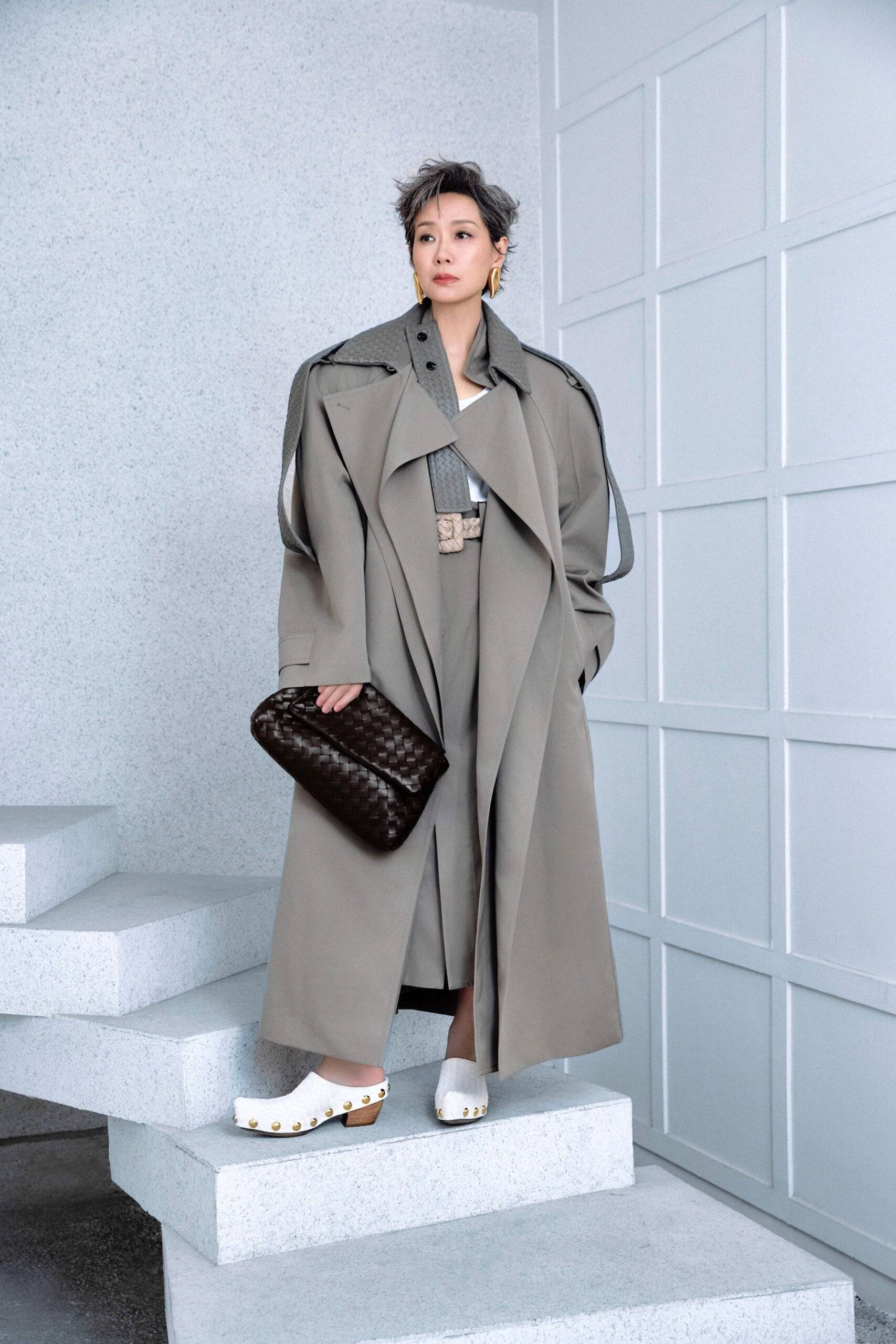
For this year’s 520 marketing campaign, Bottega Veneta titled its campaign A Day With You. Shot in Shanghai, the film offers no dramatic plotline or manufactured emotional climax. Its focus is not the instant of falling in love, but the quieter process through which two people enter each other’s rhythms.
Sitting together. Walking together. Moving through the city side by side.
These are not traditionally the kinds of moments luxury brands place at the center of festive storytelling. Yet here, they become the emotional core.
Bottega Veneta has been softening the importance of the holiday itself for some time. From campaigns centered around “celebrating the everyday” to understated New Year greetings, the house has consistently emphasized moments that resist formal definition. For 520, it extends that language into a more direct meditation on emotional relationships.
A similar shift is visible at Dior. Its campaign features Chinese actors Yu Shi, Zhou Ye, Wang Yuwen, and Amy, with the camera drifting through flower shops, cafés, shaded roads, and quiet Shanghai street corners. Unlike conventional couple-centered narratives, the relationships remain intentionally undefined — suspended somewhere between friendship, solitude, and emotional companionship.
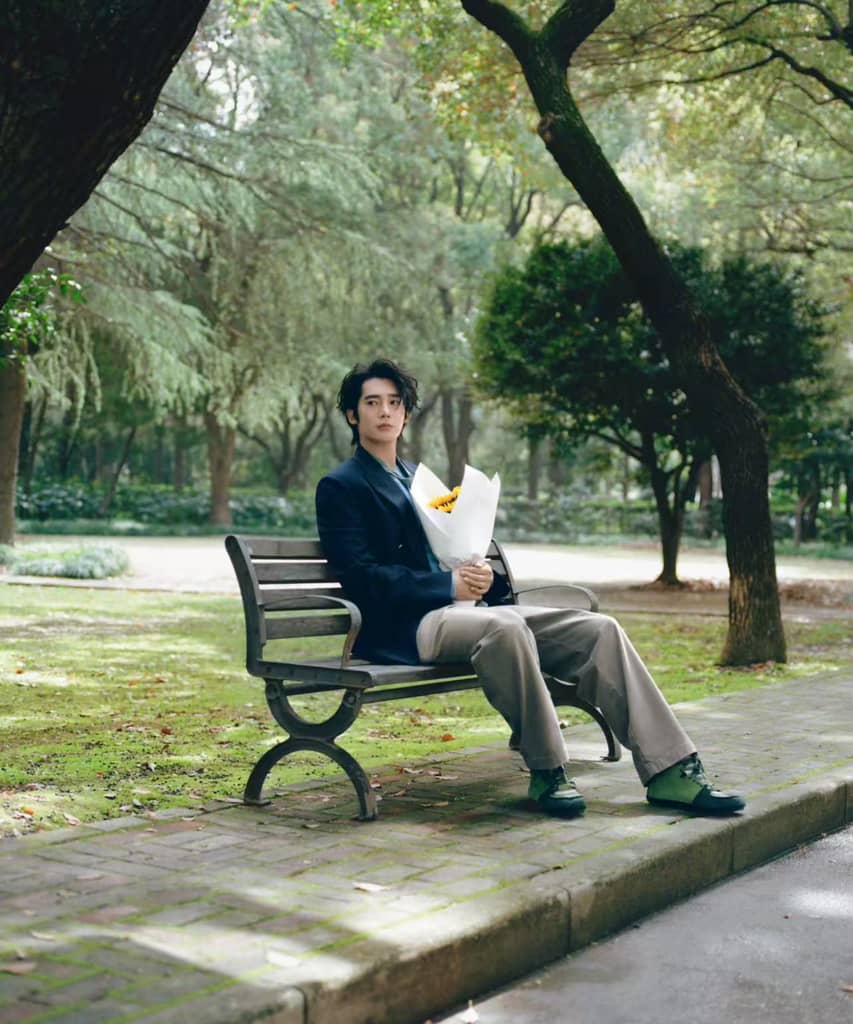
In particular, scenes featuring Sun Anke and Amy are framed less as romance than as mutual presence between friends. The decision reflects a broader recalibration in consumer emotions: for many young people, stable friendship, self-companionship, and emotionally low-pressure relationships now hold a significance once reserved primarily for romance.
Dior has not abandoned romance altogether. Instead, it has widened the emotional frame. The house retains the refinement and cinematic atmosphere it is known for, while allowing intimacy itself to become more ambiguous and expansive. Romantic love is no longer the only valid emotional center. Companionship becomes a broader emotional entry point.
Love Is No Longer the Only Emotional Center
Compared with traditional jewelry brands’ longstanding emphasis on romance, Bulgari has increasingly positioned love alongside self-recognition and personal identity.
For this year’s 520 marketing campaign, the brand introduced the theme “Meeting Yourself in Love.” In the creative starring singer Jolin Tsai, love becomes less about external validation and more about a dialogue between the self and emotion itself. The narrative focuses not simply on being loved, but on understanding oneself more deeply through emotional experience.
Jewelry, in this context, is no longer merely a gift to be received. It becomes an extension of personal state, agency, and identity.
Messika moves in a similar direction. Its 520 marketing campaign featuring brand friend Ma Boquan avoids overt romantic storytelling entirely. Moving through a geometric purple environment inspired by the house’s visual codes, Ma appears without a clearly defined emotional counterpart. The campaign centers instead on inwardness, authenticity, and the refusal to be emotionally categorized.

The shift reflects a broader transformation within the jewelry industry itself. Increasingly, consumers are buying jewelry for themselves, making self-purchase a major luxury consumption scenario. The older logic of waiting to be gifted is gradually weakening, replaced by a more self-directed consumer mindset grounded in autonomy and personal meaning.
From this perspective, luxury brands are not suddenly discovering self-love. They are responding to a relationship transformation already underway. As young consumers place greater importance on the question of “who am I,” brands must relearn how to navigate the evolving relationship between “me” and “us.”
When Romance Becomes an Internet Symbol
Balenciaga, characteristically, takes a less sentimental route.
Rather than attempting to restore romance, the brand transforms 520 itself into a game of internet-native symbols and consumer codes. Inspired by luggage tags, the 520 collection features fluorescent colors, numerical graphics, sticker-like motifs, and “5.20” branding that feels intentionally absurd — suspended somewhere between a love confession and a parody of one.
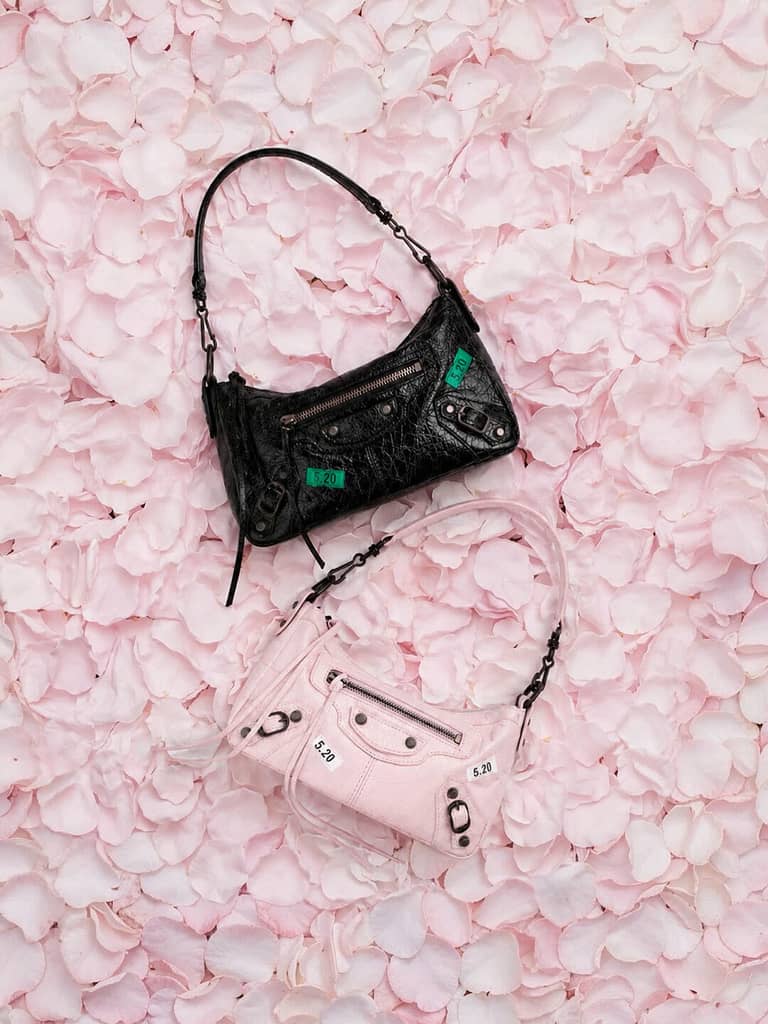
Balenciaga has long excelled at extracting fashion language from ordinary commercial objects. Ikea bags, supermarket packaging, delivery boxes — all have been transformed into highly shareable visual symbols. What the brand is interested in is not luxury as a fixed category, but the continuous dismantling of what luxury is supposed to look like.
Today, 520 itself has become deeply platformized and commercialized. Its ecosystem is built from numerical wordplay, social circulation, limited-edition drops, algorithmic visibility, and seasonal consumption rituals.
Balenciaga does not attempt to conceal this reality. Instead, it pushes the mechanics of consumption directly into the foreground. Since consumers already recognize 520 as an internet-driven commercial event, the brand no longer pretends that pure romance exists outside the system. It enters the game openly.
That is why Balenciaga’s campaign carries a faintly ironic edge. The brand is not really asking how to retell love. It is asking how love itself is circulated, consumed, and re-coded by the internet.
When romance becomes a public symbol, what brands compete for is no longer only emotional sentiment. It is the right to interpret the symbol itself.
Love Returns to Everyday Life
For decades, luxury marketing treated romance as a carefully staged ritual. Brands packaged emotional aspiration into idealized moments, and consumption became a mechanism through which love could be confirmed and displayed.
Today, however, more brands are moving further upstream. They are beginning to ask different questions: What kinds of relationships feel emotionally credible now? What forms of intimacy still resonate? Which emotional experiences deserve expression?
Love is no longer assumed to revolve exclusively around couples. Nor does it require validation through dramatic declarations or ceremonial gifting.
Instead, love has stepped away from the climactic moment and returned to everyday life.
For luxury brands in China, the challenge is no longer simply how to stage romance — but how to remain emotionally credible within consumers’ lived realities.