
As China’s beauty industry enters a new phase of global visibility, international beauty platforms are increasingly looking to engage directly with the country’s emerging brands, founders, and consumers.
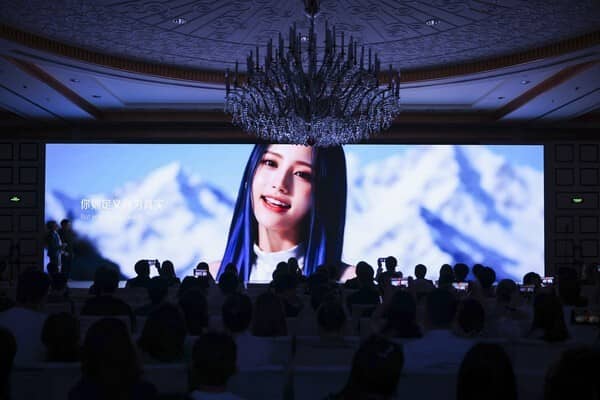
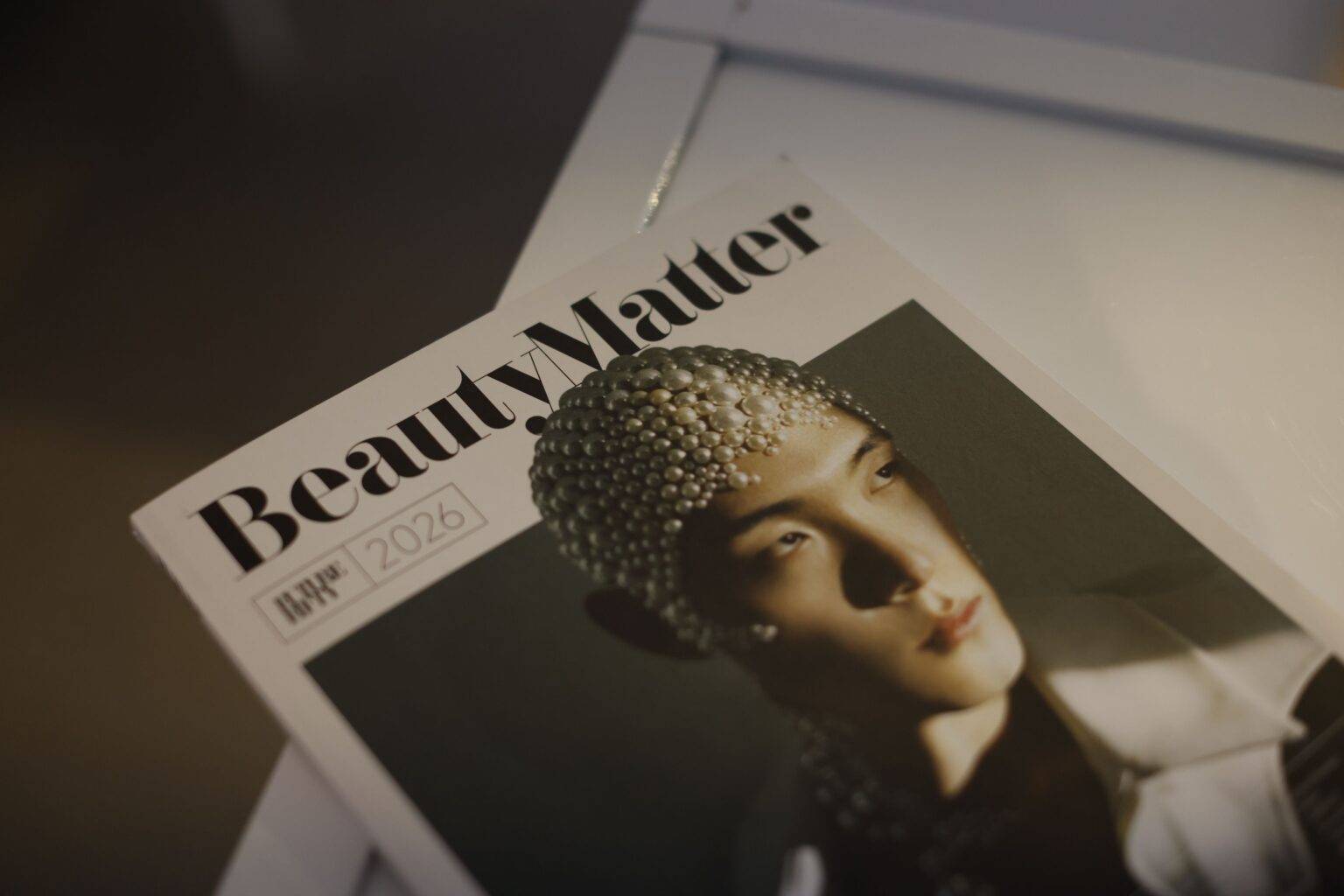
That shift was on display at the latest edition of Beauty Shanghai, one of China’s fastest-growing beauty trade exhibitions and industry forums, where global beauty intelligence platform BeautyMatter partnered with Jingzhi Media Group to introduce the Chinese edition of its annual FUTURE50 publication.
Published annually by BeautyMatter, FUTURE50 highlights emerging beauty brands and innovators shaping the future of the global industry. More than a ranking, it has evolved into a platform connecting high-growth companies with retailers, investors, and industry leaders. At the latest edition of Beauty Shanghai last month, BeautyMatter and Jingzhi Media Group created a dedicated exhibition booth and introduced a localized Chinese edition of the magazine as part of a wider effort to foster deeper exchange between China’s beauty ecosystem and the international industry.
The following article is adapted from a panel discussion presented during the China Beauty Summit, produced by Jingzhi Media Group and BeautyMatter on the opening day of BeautyShanghai.
FUTURE50: A List Built to Fill a Gap
FUTURE50 is not simply a ranking of emerging beauty companies. Developed by BeautyMatter, the initiative functions both as a curated list of high-potential brands and as a broader ecosystem connecting founders with retailers, investors, and opinion leaders across the global beauty industry.
FUTURE50 aims to help identify companies with long-term potential at a time when trend cycles, funding dynamics, and consumer behavior are evolving faster than ever.
“The speed of the beauty industry today is unprecedented,” Cafarelli said during the conversation. “Some brands I first encountered around 2020 have grown from start-ups into businesses approaching US$500 million in just six years. For retailers and investors, it is increasingly difficult to quickly determine which brands have real staying power. At the same time, independent emerging brands often lack high-quality exposure and access to the right resources.”
That gap is where FUTURE50 comes in. Its purpose, as Cafarelli explained, is to bring together top talents and standout brands, helping the industry identify the “next generation of breakout brands” while giving those companies a bridge to learning, exchange, partnership and commercial success.
Beyond the List: The FUTURE50 Ecosystem
Over time, FUTURE50 has evolved into a meaningful signal within the beauty industry’s investment and retail ecosystem, particularly for independent brands seeking greater international visibility.
Participation is intentionally selective. According to Cafarelli, most companies featured in FUTURE50 generate annual revenues below $100 million and remain founder-led or independently operated. The focus is less on scale alone and more on identifying brands demonstrating originality, strong consumer resonance, and long-term growth potential.
Beyond the publication itself, FUTURE50 functions as a broader industry community. Featured companies gain access to networking events, retail showcases, investor introductions, and collaborative opportunities designed to accelerate visibility within the global beauty ecosystem.
The model reflects how beauty growth today depends not only on product performance, but also on storytelling, cultural relevance, and long-term community building.
That philosophy was visible at BeautyMatter’s “beauty supermarket” concept. Rather than distributing traditional gift bags, attendees selected products directly from participating brands, turning sampling into a more interactive discovery experience.
Bridging China’s Beauty Ecosystem and the Global Market
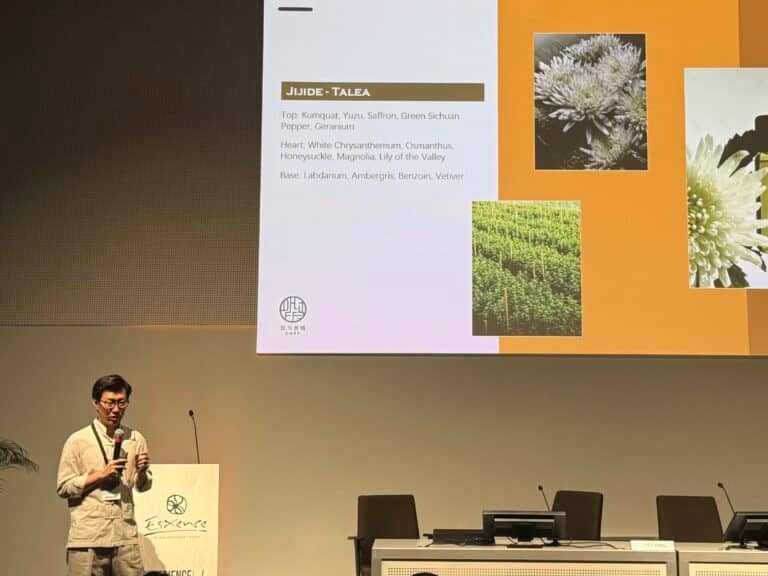
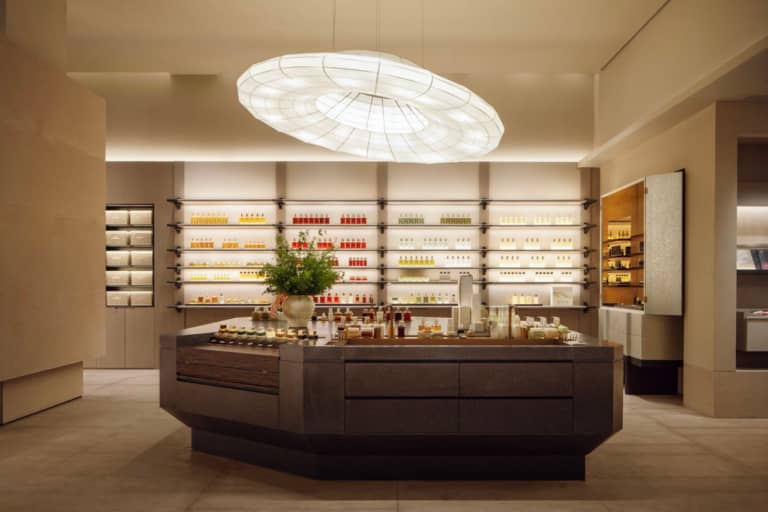
Among the Chinese companies featured in this year’s FUTURE50 is fragrance brand To Summer. Founded in 2019, To Summer has built its identity around reinterpreting Chinese sensory culture through fragrance, spatial design, and contemporary storytelling. Cafarelli described the brand as an example of the kind of culturally distinctive positioning resonating globally.
“I was completely blown away,” Cafarelli said. “It was not only the fragrance and product quality. The brand had built a real lifestyle around its products. Every detail was carefully considered, and the approach was very different from what we often see among American brands. It is exactly the kind of Chinese brand global audiences should be paying attention to.”
Another frequently discussed example was Harmay, the multi-brand beauty retailer known for its warehouse-inspired retail environments and highly curated product mix. Harmay has become known for transforming beauty retail into a more immersive and design-driven consumer experience, blurring the boundaries between store, cultural space, and lifestyle destination.
Harmay’s success also reflects the growing importance of spatial design and consumer participation within China’s beauty retail landscape.
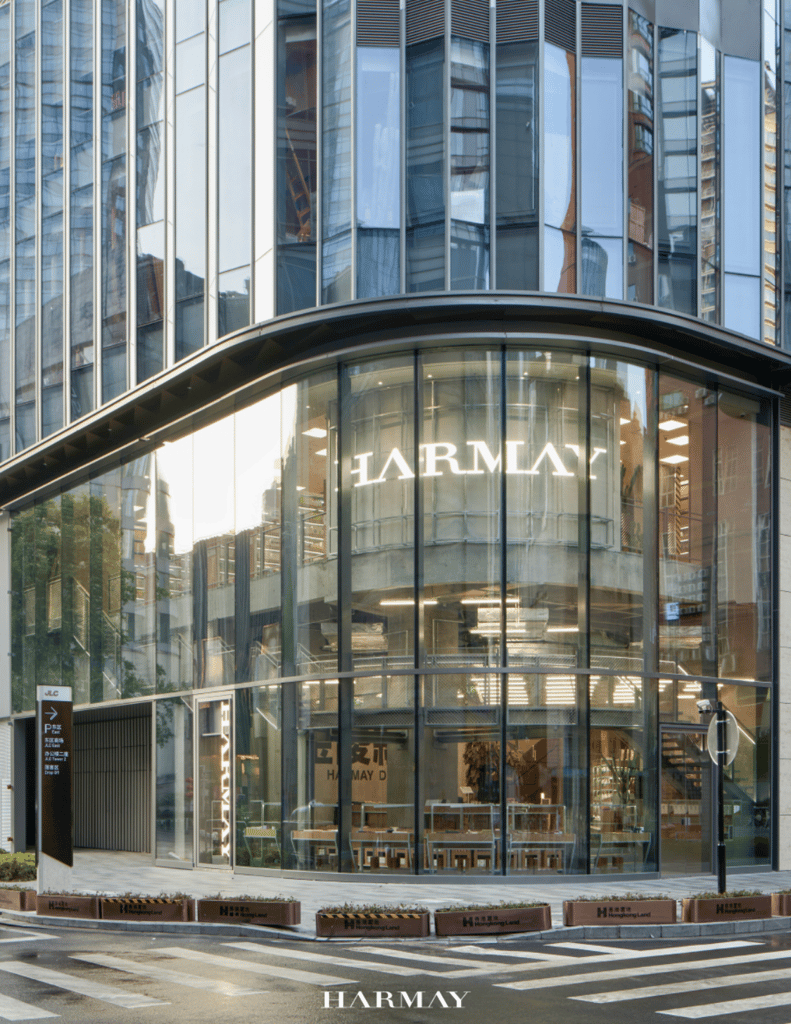
Harmay has built a distinctive model that combines warehouse-inspired display, curated retail and a low-interference self-service shopping experience. Image: HARMAY
For both BeautyMatter and Jingzhi Media Group, these examples point toward a larger industry shift. Increasingly, Chinese beauty companies are not simply adapting global trends, but developing their own approaches to branding, retail, and consumer engagement.
The growing presence of Chinese brands within FUTURE50 also set the stage for BeautyMatter’s next step in Asia: the launch of FUTURE15 Asia, a new initiative introduced in partnership with Jingzhi Media Group during the opening ceremony of BeautyShanghai.
FUTURE15 Asia Is Coming
Designed as a regional extension of the FUTURE50 platform, FUTURE15 Asia aims to spotlight emerging beauty brands and innovators shaping the future of the Asian beauty industry while building stronger connections between Asia’s beauty ecosystem and the global market.
“My first trip to China was in 2019,” Cafarelli said during the panel discussion. “The market environment was different then, but I was already struck by the energy, creativity, and innovation here.”
“It is difficult for overseas markets to find and understand them,” Cafarelli explained. “In the U.S., if you want to know the top Korean brands, you can search on Google and find clear lists. But many Chinese brands rely on the WeChat ecosystem and do not have independent websites. Western audiences have a hard time finding them, let alone understanding their brand stories and core strengths.”
For Jingzhi Media Group CEO Charlie Gu, the issue is not a lack of innovation, but a lack of translation mechanisms capable of bridging China’s beauty ecosystem with international audiences.
In this context, FUTURE15 Asia is intended to function not simply as another industry list, but as a discovery and communication platform — one capable of helping international audiences better understand the next generation of Asian beauty brands.
According to Cafarelli, the initiative has two primary goals. The first is to identify and amplify Chinese and Asian beauty brands deserving of greater international attention. The second is to help companies with global ambitions connect with overseas retailers, investors, and strategic partners while lowering some of the barriers associated with international expansion.
The demand for that connection is already visible. Cafarelli shared during the discussion that a major European retailer operating more than 1,800 stores had discovered To Summer through FUTURE50 and later reached out directly for an introduction.
As FUTURE15 Asia takes shape, the initiative may also reflect a broader shift taking place across the beauty industry itself: China is no longer simply a market to observe, but increasingly a market shaping how beauty innovation, branding, retail experience, and consumer engagement evolve globally.
For Chinese beauty brands with both cultural originality and commercial ambition, FUTURE15 Asia could become more than a visibility platform. It may become a new bridge connecting China’s next generation of beauty companies to the global stage.