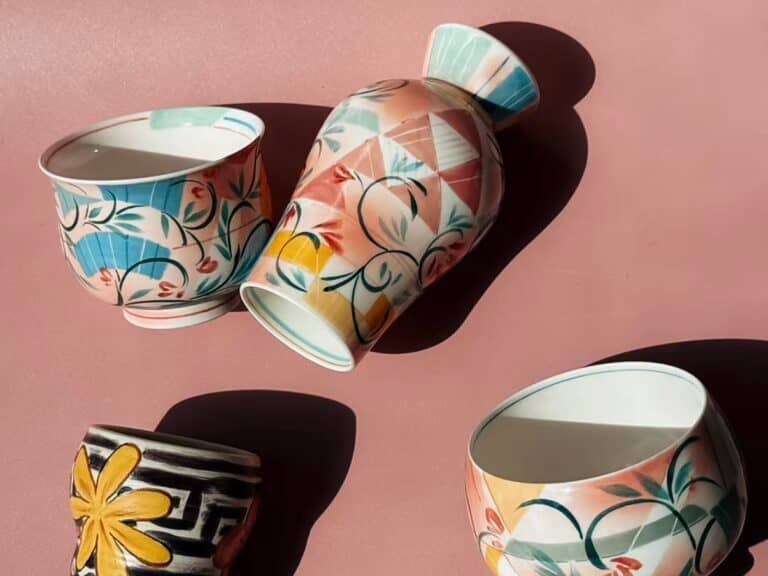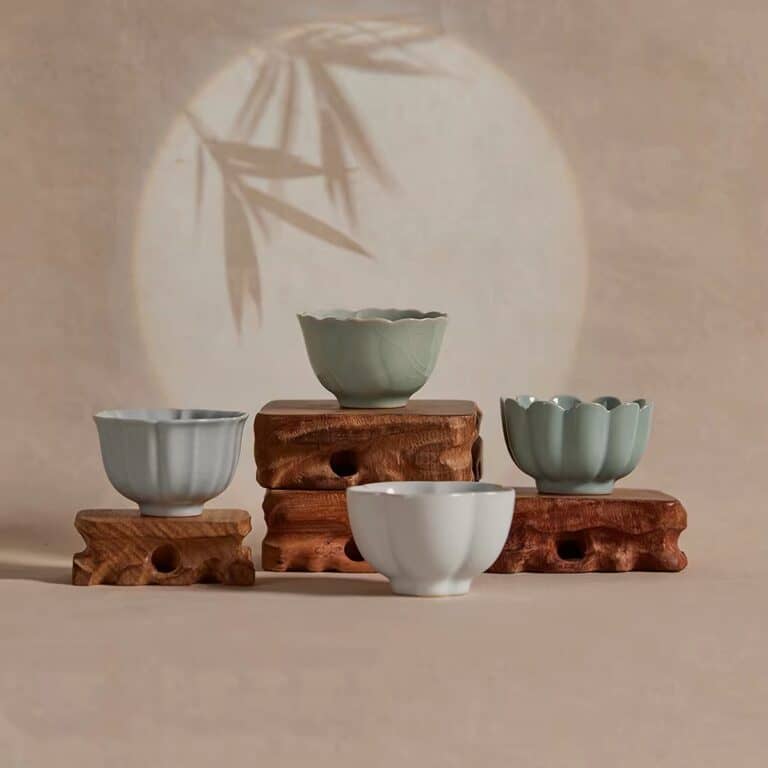

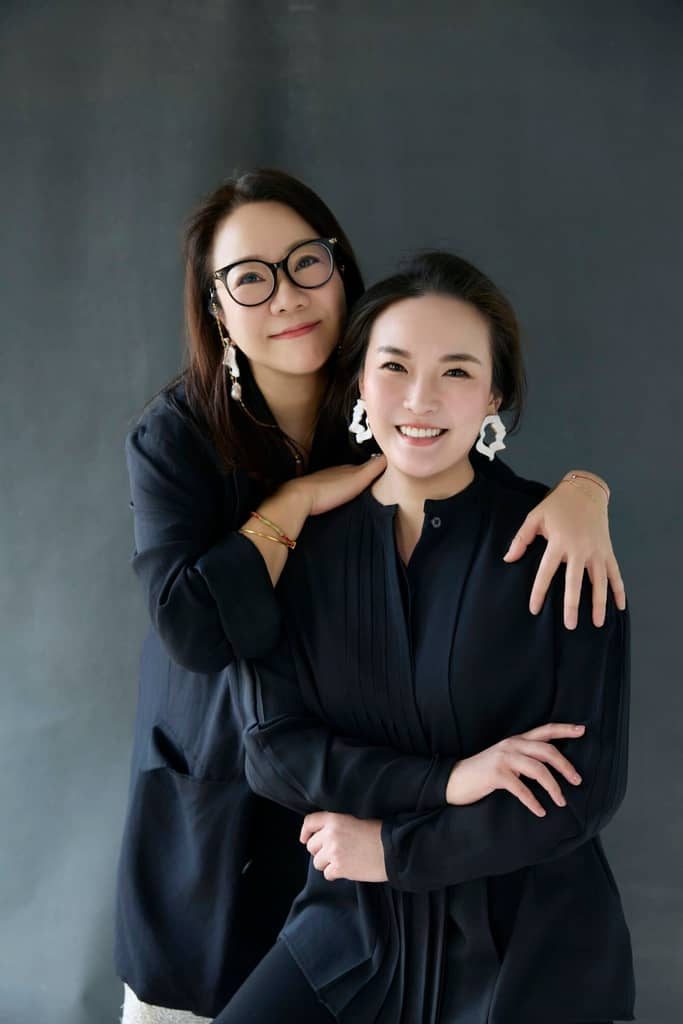
In an era where many lifestyle brands still prioritize visibility and performance, ceramic lifestyle label Yici is taking a quieter approach. By focusing on tactility, emotional resonance, and physical comfort, founders Coco Wang and Zhao Yici are building a brand rooted less in spectacle than in lived experience.
Does it pull at the ear by the end of the day? Does the clasp pinch against the skin? Does the object still feel desirable after hours of wear?
In much of the traditional jewelry industry, such questions are secondary to appearance. For Yici, they are where design begins. The ceramic lifestyle brand treats weight, comfort, and sensation not as invisible details, but as part of the object’s emotional reality.
Founded by Coco Wang and Zhao Yici, the brand is not loudly proclaiming a “feminist” agenda through slogans. Yet, in its design philosophy and business strategy, Yici embodies a profound shift in how female-centric brands operate. More subtly, it reflects a shift from designing for appearance to designing for experience.erience.
Designing Beyond the Visible
For decades, jewelry has served an extroverted function. Whether high jewelry or daily accessories, design has historically prioritized optics—brilliance, proportion, and volume—to signal status or adorn the body for an audience.
Yici disrupts this unilateral thinking. Zhao Yici operates on a principle she calls “The back is also the front.”
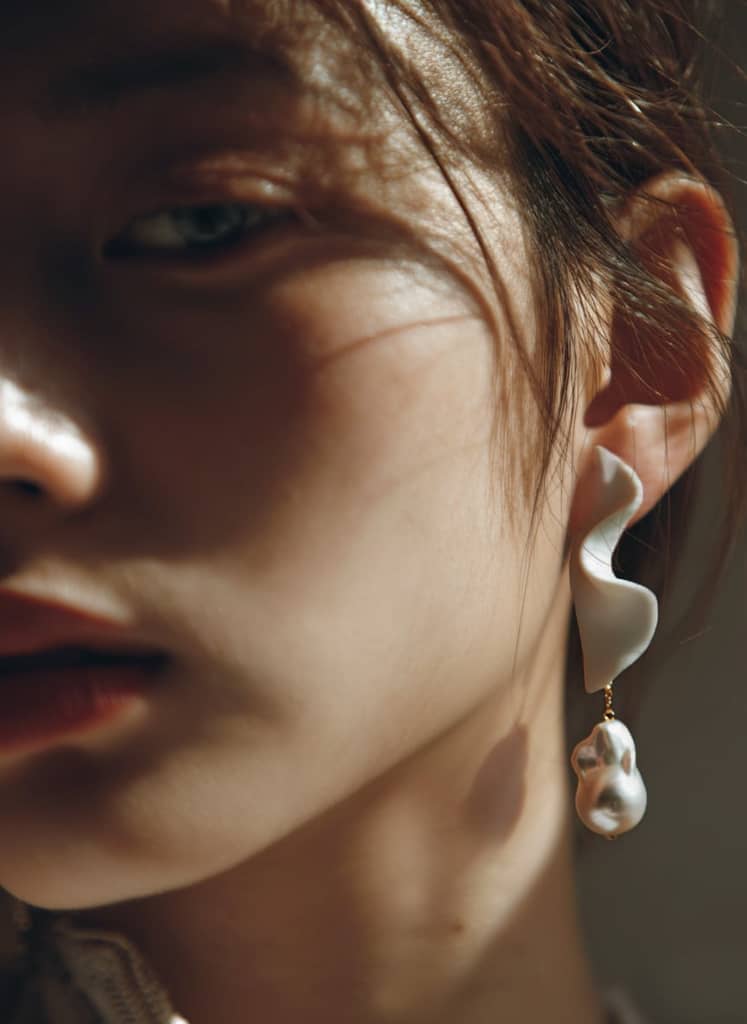
For Yici, the unseen parts of an object—the interface with the skin, weight distribution, thermal conductivity—matter as much as the visible form itself. This has led the founders to obsess over “invisible” details: manipulating clay ratios to ensure large-volume earrings remain featherlight, or controlling kiln temperatures to create pieces that are stable yet gentle against the skin.
“For us, the female perspective isn’t a label. It’s a working method,” says co-founder Coco Wang. “It’s about how you understand the body, how you understand relationships, and how you judge what is worth keeping.”
“For us, the female perspective isn’t a label. It’s a working method.”
Yici co-founder Coco Wang
This approach gave rise to collections like “Timeless” (不晚). Born during a difficult period in Wang’s life, the series combines white porcelain with baroque pearls. The collection was not conceived as a statement piece, but as a tactile expression of self-acceptance.
When Imperfection Becomes Luxury
Perhaps the most significant departure Yici makes from traditional luxury is its redefinition of “perfection.”
In her previous career in jewelry, Zhao Yici worshipped precision. “Even a one-millimeter error was unacceptable,” she recalls. However, working with porcelain requires surrendering control. Clay flows in the kiln; glazes expand and contract.
Rather than resisting this unpredictability, Yici embraces it.
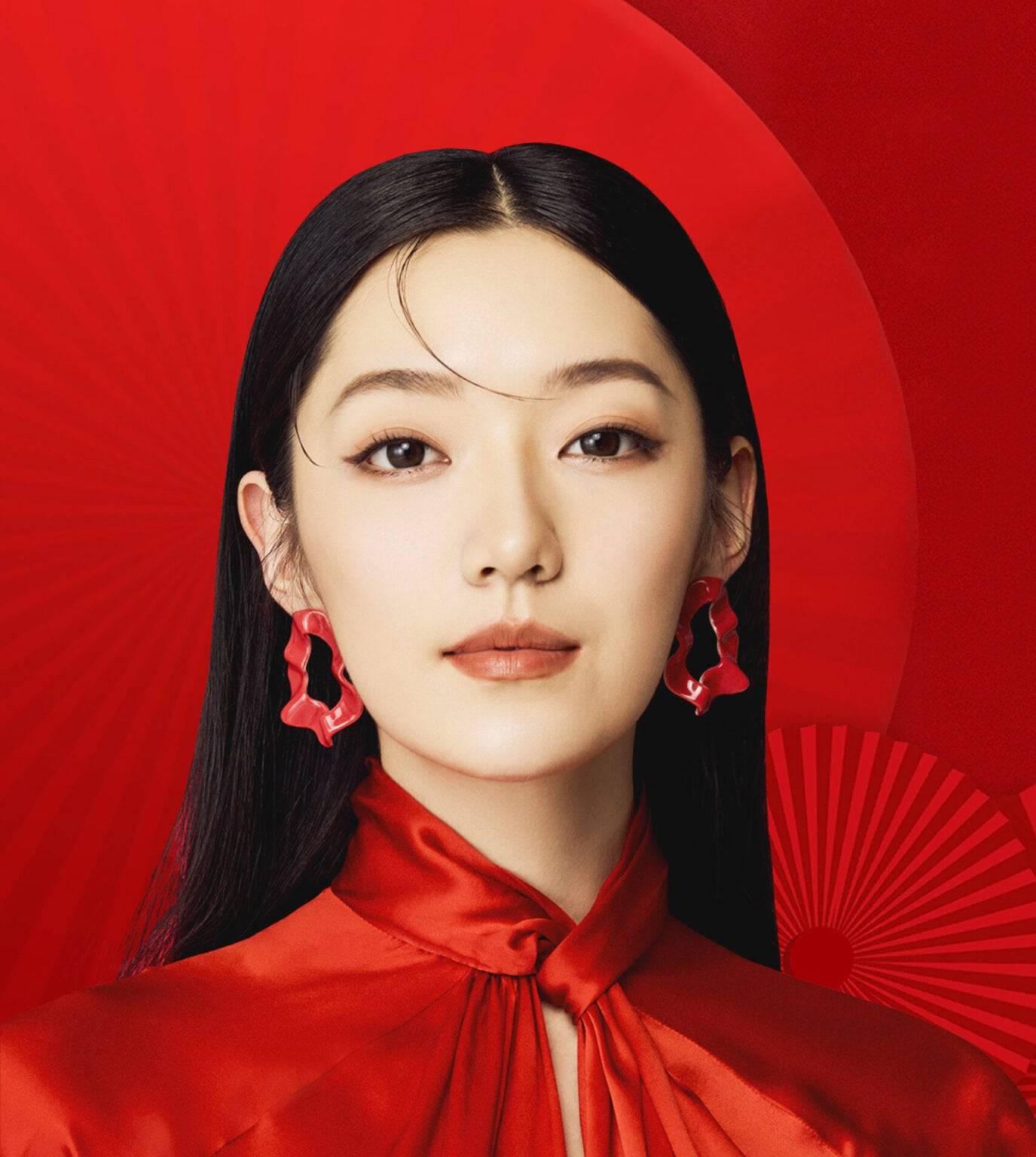
Take their “China Red” glaze, which required over 20 trials to perfect. The result features fragmented golden flecks that Wang describes as looking like “sunlight grazing the red walls of the Forbidden City.” Or consider the “Enso” series, where lines are intentionally kept fluid and asymmetrical.
“It cannot be called perfect, because life itself is not symmetrical,” Wang notes.
This acceptance of wabi-sabi—the beauty of imperfection—aligns with a broader global consumer trend. Modern consumers, fatigued by the emotional flatness of industrial perfection, are increasingly seeking “organic authenticity.” They are drawn to the vulnerability and strength coexisting in Yici’s work, finding that a piece with “breathability” feels more luxurious than precise symmetry.
From Ornament to Atmosphere
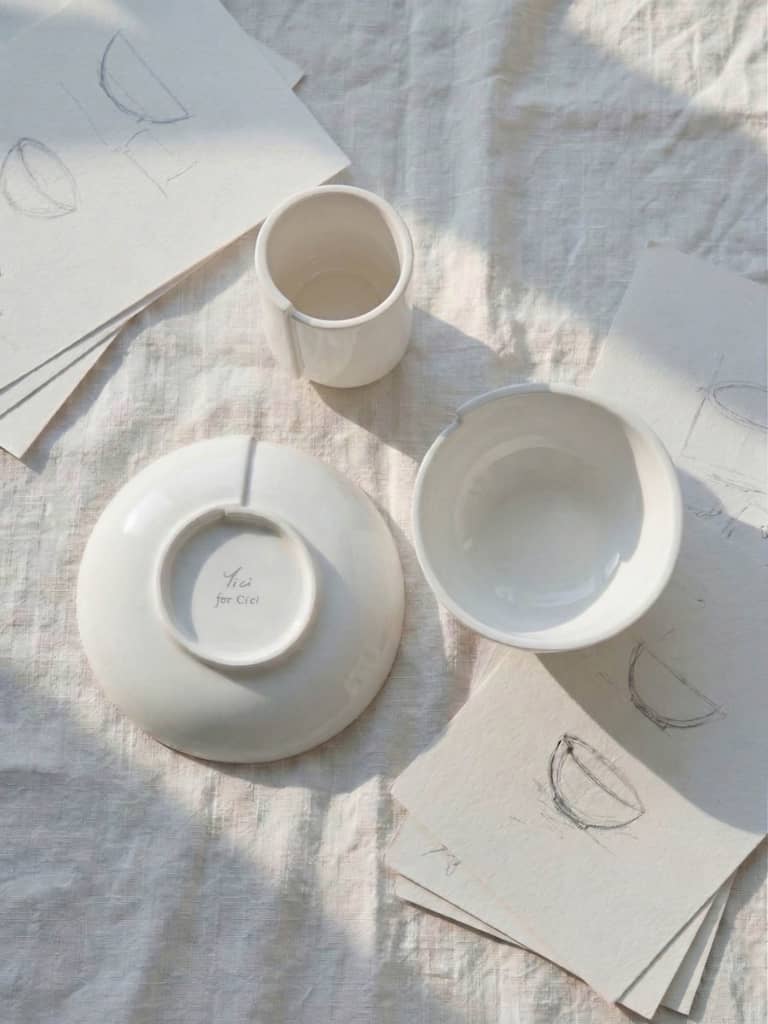
The brand’s evolution from jewelry into lifestyle objects—vessels, tableware, and other ceramic forms—is less a diversification strategy than a natural extension of its core philosophy.
The founders have observed a subtle shift in female consumption patterns. Increasingly, women are no longer seeking objects purely as markers of taste or status, but as sources of emotional texture within everyday life—objects that soften, stabilize, or personalize the atmosphere around them.
“Objects don’t need to be social currency or armor,” Wang said.
That insight shapes Yici’s expansion into homeware. The connection feels intuitive rather than strategic: a woman’s choice of earrings, the ceramics placed on her dining table, or the gifts she gives others often reflect the same underlying sensibility.
Jewelry exists in direct contact with the body; it mediates how one moves through the world. Vessels, by contrast, inhabit space more quietly, offering rhythm, tactility, and a sense of companionship within daily routines.
By treating accessories and vessels as “two extension lines from the same aesthetic center,” Yici is gradually positioning itself beyond the category of jewelry. The ambition is not simply to decorate the body or the home, but to create objects that people continue to live with—slowly, intimately, and over time.

Growing Without Labels
In a market saturated with brands aggressively tagging themselves as “Female-Led” or “Eastern Aesthetics” to capture niche markets, Yici remains deliberately understated.
Zhao Yici notes that while their material (ceramic) is inherently Eastern, they do not lead with “Orientalism” as a marketing hook when entering broader markets. Similarly, they avoid performative feminism. Their strategy is rooted in substance over signaling.
This quiet confidence is paying off. In December 2025, Yici secured a placement in Beijing SKP, one of China’s most prestigious luxury department stores, as the only ceramic accessory brand in the SKP Select section.
For the founders, this is validation that a “quieter, materially driven contemporary Chinese brand” can hold its own in top-tier channels.

Looking ahead to the next three to five years, the goal is not rapid scaling, but depth. “We want to deepen these two lines (accessories and vessels), not just widen them,” says Zhao.
In the end, Yici is less interested in creating objects for display than objects people continue to live with—slowly, intimately, and over time.