Hong Kong is a city that reveals itself in layers.
On a recent tram ride across the island, the city unfolded like a living archive. Pawn shops and wet markets appeared between glass towers; colonial façades gave way to sharp modern skylines. Along the route, the guide pointed out streets and storefronts immortalised in decades of cinema—films that once shaped how global audiences came to understand Chinese culture, urban life, and modernity through Hong Kong’s lens.
That journey lingered with me. Because fashion, like film, is not merely about form. It is about interpretation—how meaning travels across borders without losing its depth. And it prompted a timely question: could Hong Kong once again act as a cultural interpreter—this time for fashion—bridging Asian designers to the global stage?
That question sat quietly beneath Fashion Asia Hong Kong 2025.
From Gateway to Creative Bridge
For decades, Hong Kong’s role in global fashion was defined by logistics and trade. It was a gateway—efficient, commercial, strategic. But as global fashion decentralises and Asian designers increasingly articulate their own creative languages, that definition feels incomplete.
The challenge today is no longer whether Asian designers can be global. It is where they are discovered, how they are understood, and whether the systems exist to sustain them beyond a moment of visibility.
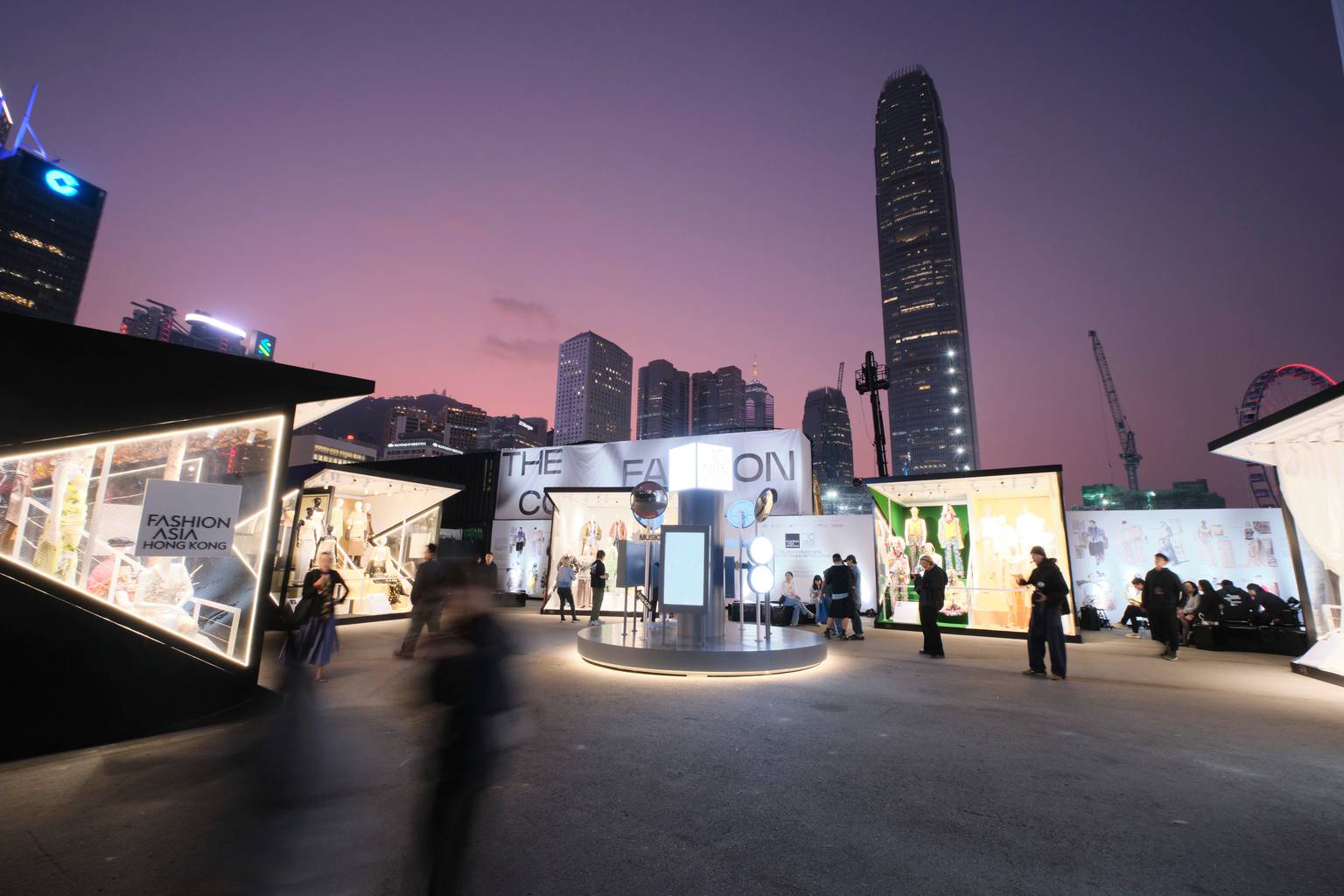
Fashion Asia Hong Kong, held in early December as part of Hong Kong Fashion Fest, offered a revealing case study. Through two intertwined pillars—the Fashion Challenges Forum and the 10 Asian Designers To Watch exhibition staged within Clockenflap—the programme tested whether Hong Kong could evolve from gateway to creative bridge.
Inside the Fashion Challenges Forum: Confidence Meets Structure
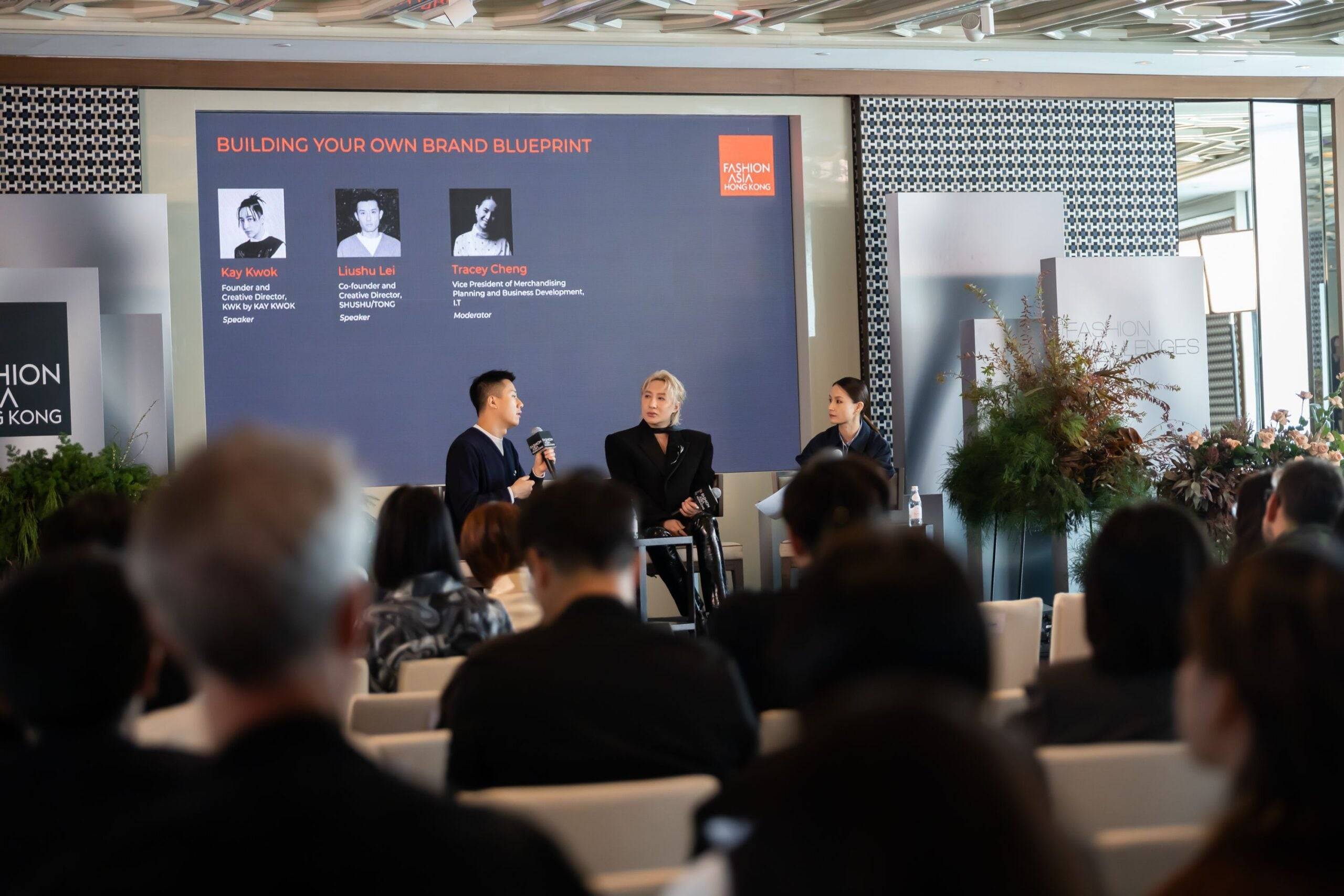
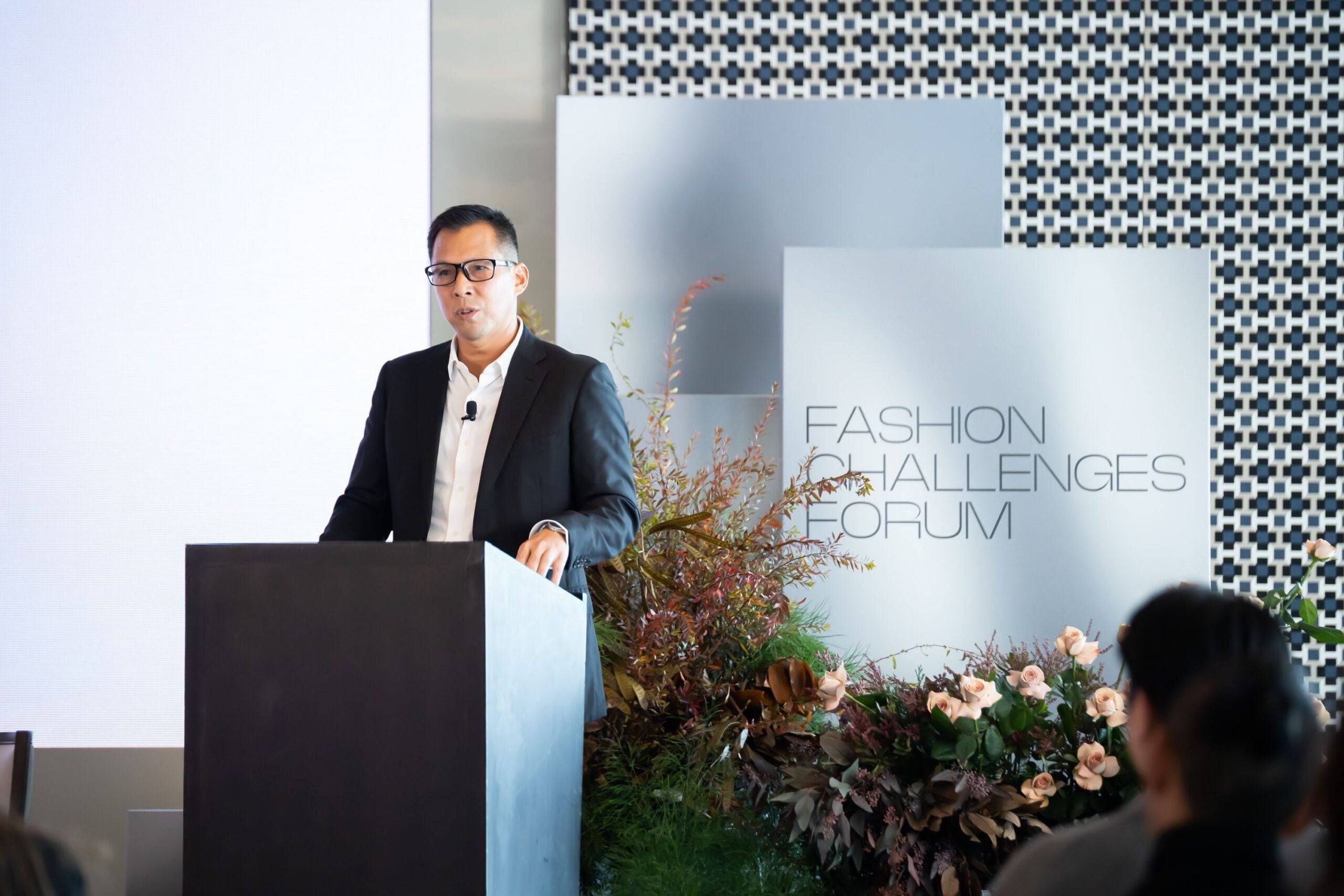
The intellectual backbone of Fashion Asia Hong Kong was the Fashion Challenges Forum, convened at Rosewood Hong Kong. Rather than centering on trends or seasonal novelty, the forum addressed deeper structural questions: how fashion businesses are built, how cultural identity travels across markets, and what it takes to sustain creative brands over time.
Conversations moved fluidly between leadership and brand DNA, the strategic role of storytelling, and the realities of cross-cultural collaboration. What emerged was a shared recognition that Asia’s fashion ecosystem is entering a new phase—one defined less by experimentation for attention and more by intention for sustainable growth.
For Nicolas Morineaux, creativity alone is no longer sufficient to sustain that growth. As CEO of Galeries Lafayette China, Morineaux notes that evaluating a designer’s long-term potential requires looking beyond aesthetic vision to the structures that support it. Since the group established its merchandising team in Shanghai in the 2010s, he explains, Galeries Lafayette has closely followed emerging Asian designers with a focus on their capacity to evolve into durable brands.
“What we look for goes well beyond pure creativity,” Morineaux says. “It’s about a designer’s ability to develop commercially diverse looks beyond a single signature silhouette, to work with strong business partners who bring operational strength, and to translate an aesthetic into a compelling story that resonates with new customers. Just as importantly, we look for consistency—designers who can evolve their vision while maintaining coherence across three to four seasons.”
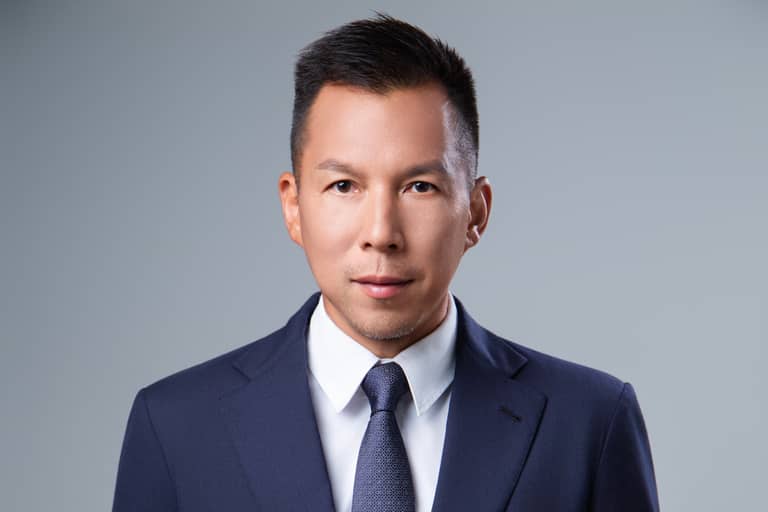
For Andre Hou, former APAC President of Boucheron, the most striking takeaway was the mindset in the room.
“What stood out most to me at the Fashion Challenges Forum was the growing confidence across the Asian fashion community,” he observed. “Tradition, creativity, quality, and innovation remain the four essential elements shaping a brand’s DNA—and what we’re seeing now is designers and brand owners embracing these foundations with renewed conviction.
Hou stressed that the conversations were not about chasing trends, but about setting them—leveraging urbanization, digital influence, and sustainability to create forward collections that appeal to a global audience.
Given that Asia’s rise on the global stage is already evident in sports, art, and entertainment, Hou believes it is “only a matter of time before this momentum propels Asian fashion to new heights.”
The Uneven Path for Asian Designers
Despite growing visibility, many Asian designers continue to navigate an uneven global landscape.
Their work is often rooted in deep cultural frameworks—memory, material heritage, identity, and collective history. But these layers are not always legible within global fashion systems that prioritise speed, familiarity, and simplified narratives.
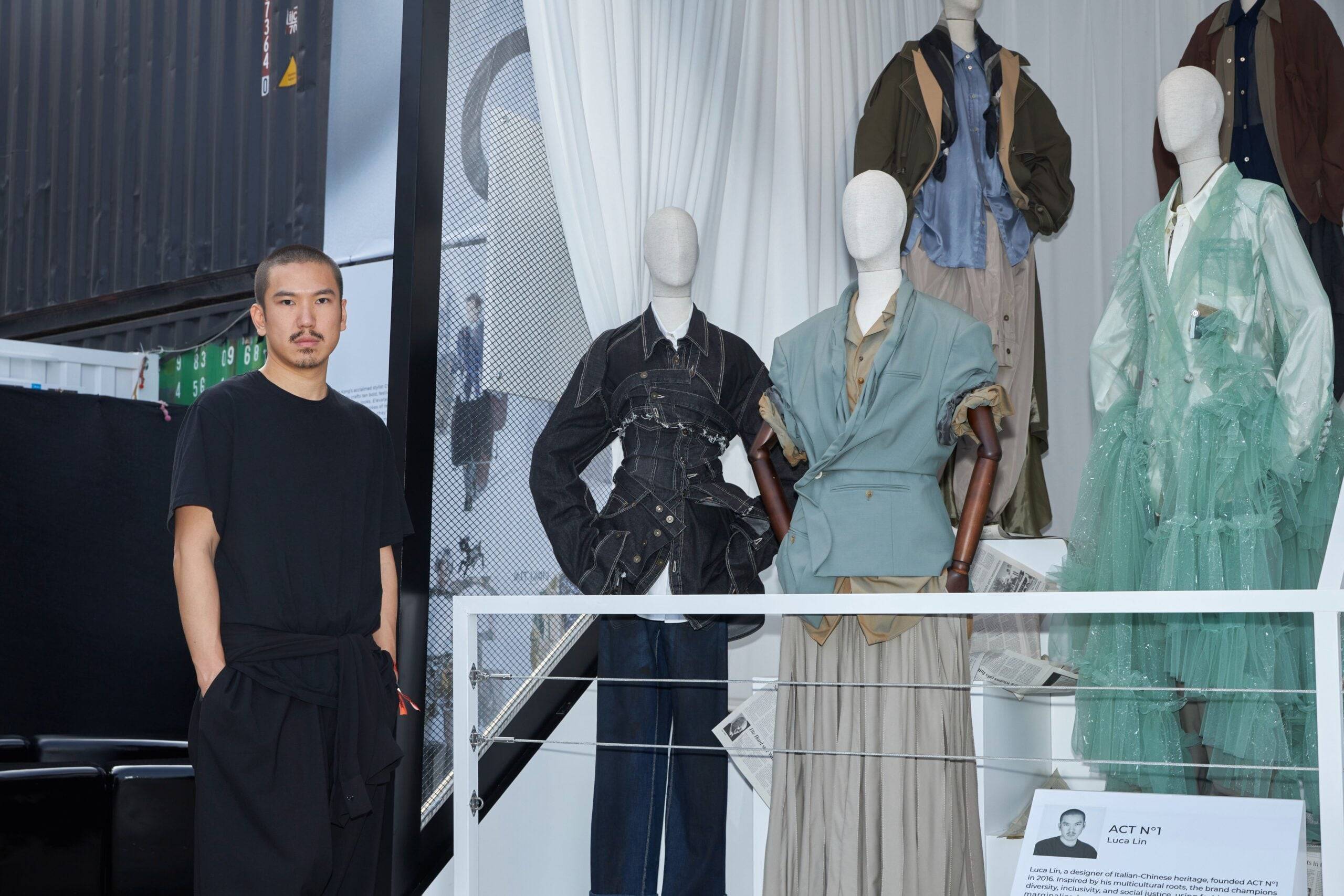
For Luca Lin, founder of ACT N°1, culture functions less as symbolism and more as a guiding structure.
“In my work, cultural narratives are like a creative code that guides the interaction between identity and tradition. I think of culture as a universal language that can be translated into images, shapes, colours, but also sensory experiences. Every project I create is influenced by different layers of cultural identity, which are not just a reflection of myself, but also of a collective history. Sometimes, modern and traditional cultures intertwine in unexpected ways, creating a new visual language that can speak to a global audience.”
Yet it is precisely this depth that presents a challenge. Cultural complexity does not always translate easily into commercial systems designed for scale. Moments of international exposure—runway shows, exhibitions, media attention—often arrive without the long-term support structures required to sustain growth: patient capital, operational partners, or culturally fluent intermediaries who can help designers articulate their work without flattening it.
This is where Hong Kong’s potential role becomes especially significant.
Why Hong Kong Still Matters
Hong Kong’s strength today lies not in scale, but in fluency—cultural, linguistic, financial, and institutional.
From his vantage point as a buyer, Morineaux notes that the city offers a rare combination of exposure and access.
“Hong Kong remains a particularly meaningful platform for emerging Asian designers because it combines visibility with access,” says Morineaux. “International fashion trade events here attract global buyers and media, offering designers immediate exposure beyond their home markets. At the same time, Hong Kong’s mature financial ecosystem and investor networks provide access to capital and business partnerships — elements that are essential for turning creative ambition into sustainable growth.”
Andre Hou echoes this point from a different angle. For him, the issue is not talent, but time and sustained investment—the conditions that allow brands to mature.
“Beyond visibility, what designers need most is time and financial investment,” Hou says. “Many iconic brands took decades to establish global recognition. Asian designers today have natural advantages that could accelerate that journey.”
Read together, these perspectives suggest Hong Kong’s potential role not merely as a showcase, but as an accelerator—a place where creative confidence can meet capital, structure, and global-facing networks.
This intent was articulated most clearly by Ms. Rainy Chan, Head of the Hong Kong Design Centre, which hosts both the forum and the exhibition.
“Fashion Asia Hong Kong transcends the traditional marketplace model by building a curated ecosystem for cultural exchange,” she explains. “While exposure is only a starting point, our focus is on providing the context, critical discourse, and strategic connections that allow Hong Kong and Asian designers to articulate their unique stories and philosophies. We position Hong Kong as the ‘Super Connector’—one that helps global audiences appreciate not just the ‘what’ of Asian design, but the ‘why’, transforming perceived exoticism into respected cultural resonance and commercial intelligence.”
Fashion in Motion: Clockenflap as a Living Stage
That ambition became tangible at Clockenflap, where the 10 Asian Designers To Watch 2025 exhibition unfolded within a live music and arts environment rather than a sealed showroom.
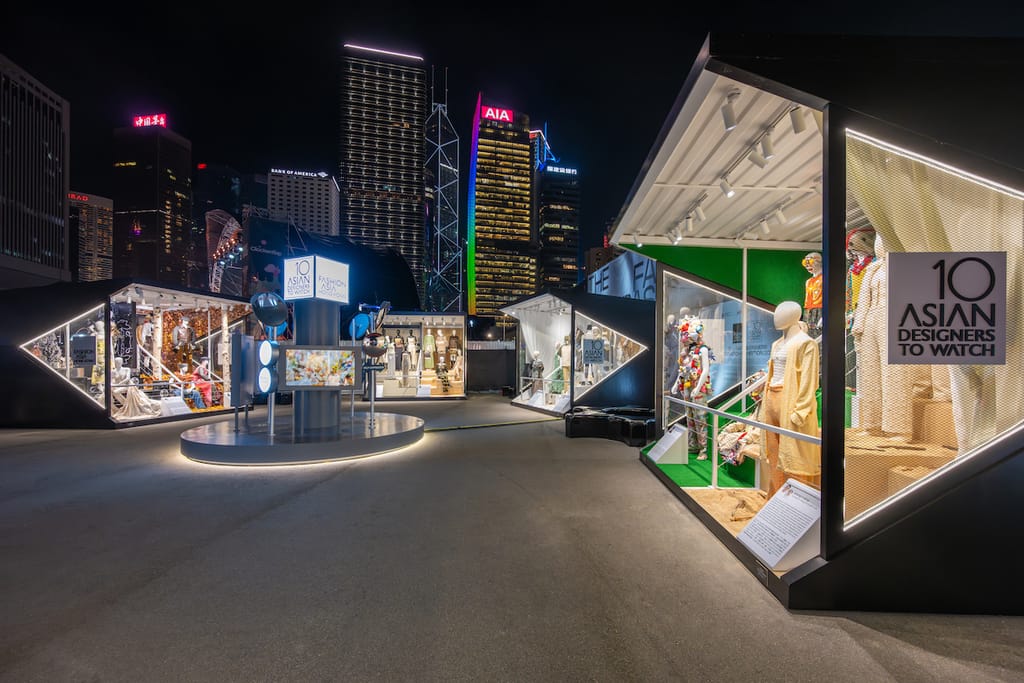
This year’s programme extended beyond static display. Featured designers were invited to style selected Clockenflap performers, allowing fashion to exist in situ—worn on stage, in motion, and embedded within live performance. Moments like Hong Kong icon Panther Chan appearing in a KIT WAN STUDIOS look transformed design from object to experience, offering audiences a visceral, real-time encounter with the work.
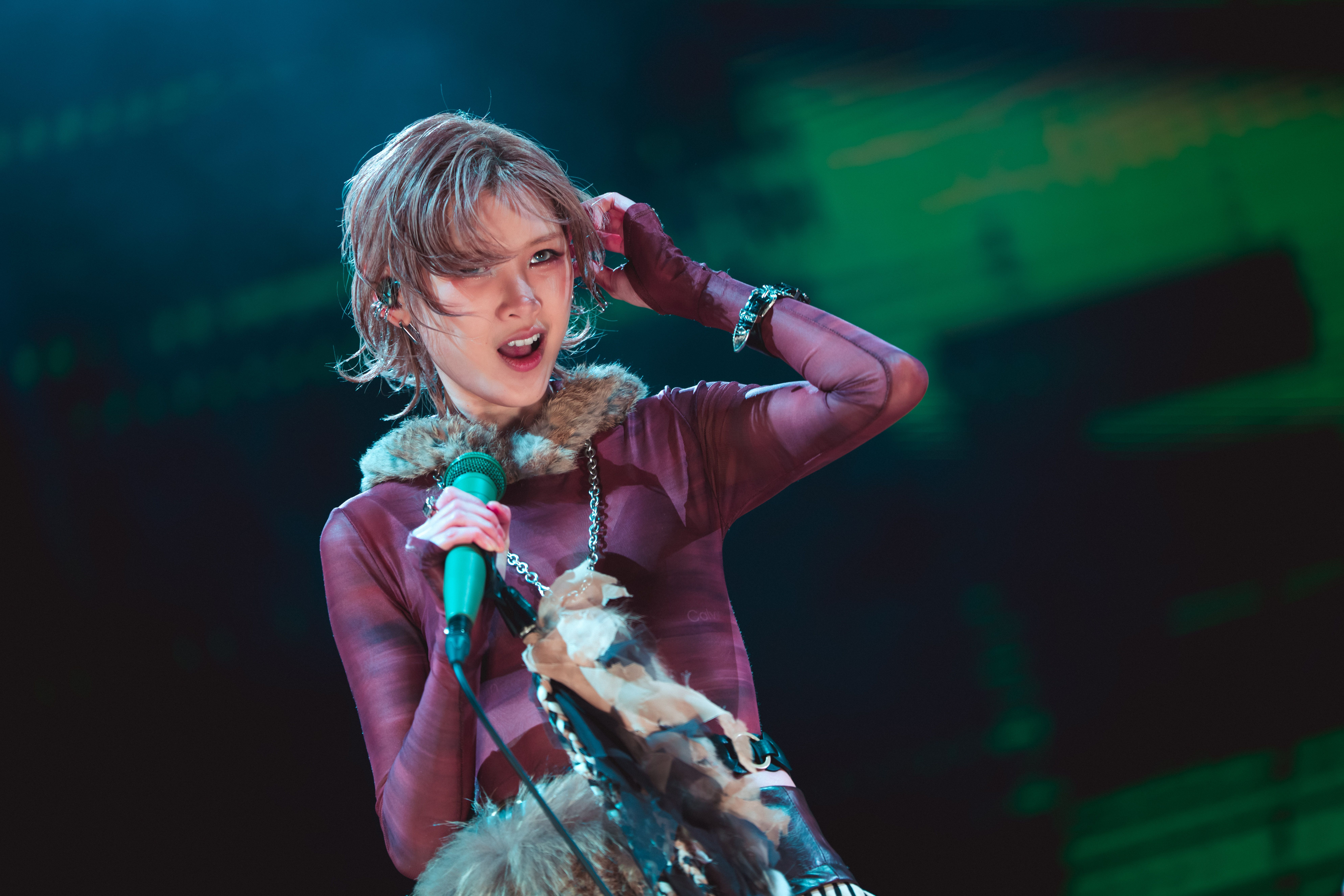
This live integration underscored Fashion Asia’s broader ambition: to situate fashion within culture as it is lived, not merely observed.
For Luca Lin, presenting work in this context fundamentally shifted how it was perceived.
“Presenting my work at Clockenflap added a layer of depth to how my designs were understood. In such a dynamic context, the pieces were not only seen as visual designs, but as reflections on cultural diversity and the fusion between fashion and art. The audience’s different backgrounds brought new perspectives, allowing the work to be read beyond the surface and into its social and cultural implications.”
A Bridge Still Under Construction
Fashion Asia Hong Kong does not claim to have solved the structural challenges facing Asian designers. But it offers a clear proposition: that Hong Kong can serve as a creative bridge, translating cultural depth into global understanding while connecting designers to the systems required for longevity.
Like the city itself—where tradition and futurism coexist—this bridge is still under construction. But for the first time in years, its foundations feel intentional, visible, and worth watching.