
A weekly snapshot of the China consumer market, tracking major brand alliances, innovative retail concepts, and significant investment moves shaping the fashion, beauty, and sportswear sectors.
Welcome to this week’s Weekly Brief, where we examine the most consequential developments influencing China’s consumer landscape. This edition focuses on a series of strategic maneuvers—from a landmark textile alliance and a wave of high-profile brand ambassadors to immersive retail experiments and cross-border investments—highlighting how brands are recalibrating their strategies to compete for attention, relevance, and long-term growth in an increasingly sophisticated market.
Brand Dynamics: Alliances, Ambassadors, and Immersive Retail
The textile industry saw a notable structural shift as Fast Retailing, parent company of Uniqlo, entered a strategic partnership with Luthai Textile and Chenfeng Group. Based in Cambodia, the alliance aims to establish the first fully integrated overseas supply chain for China’s textile and apparel industry, signaling a move toward greater control, resilience, and internationalization in manufacturing.

Brand ambassadorships remain a central lever for market engagement. Tiffany & Co. appointed singer Song Yuqi as brand ambassador, while skincare brand Eve Lom named musical theater actor Ayanga. Streetwear label MLB brought on actress Zhang Ruonan, and Jo Malone London made a landmark move by appointing Liu Yifei as its first global brand ambassador from China—underscoring the growing global influence of Chinese cultural figures.
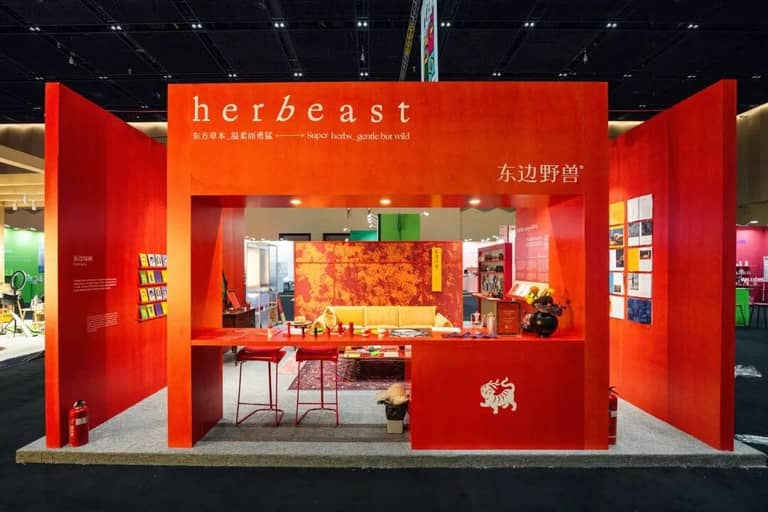
Retail innovation continued to accelerate. Muji reopened its world flagship store at Chengdu Taikoo Li, reinforcing its experiential retail strategy. Guerlain launched its first boutique spa in mainland China at Beijing’s PuXuan Hotel, expanding the brand’s service-led luxury proposition. Meanwhile, TEAM WANG design partnered with JDB (Jia Duo Bao) on a Lunar New Year-themed pop-up in Guangzhou, blending traditional culture with contemporary aesthetics. Malbon introduced a pop-up in Shanghai, and Under Armour unveiled its first global intelligent sports social space in Guangzhou—both reflecting the growing emphasis on community-driven retail formats.
Financial Express: A Mixed Picture for a Beauty Giant
Bloomage Biotech released a nuanced performance outlook for 2025. While the company expects net profit to rise by more than 50% year-on-year, it is simultaneously facing revenue contraction and a decline of over 60% in GMV across its core brands. The outlook suggests a strategic pivot away from scale-driven expansion toward operational efficiency, profitability, and higher-quality growth.
Investment & M&A: Bold Moves in Sportswear and Beauty
The sportswear sector was jolted by news that ANTA Group agreed to acquire a 29.06% stake in PUMA SE for €1.5 billion. The deal represents a major milestone in ANTA’s global expansion strategy and is poised to reshape competitive dynamics across the international sportswear market.
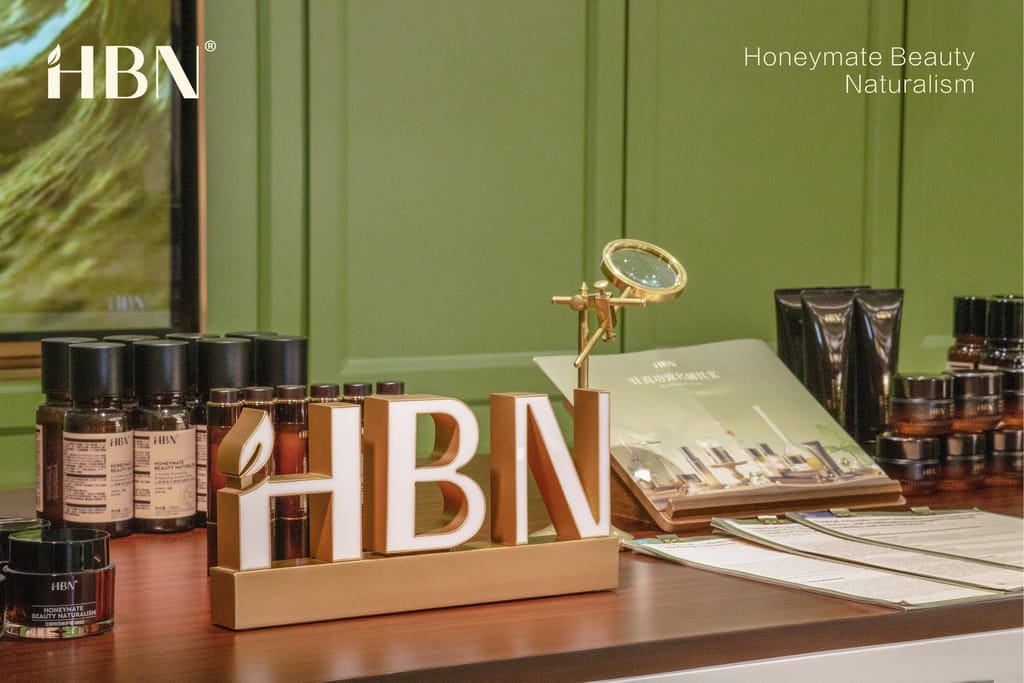
In beauty, the parent company of domestic skincare brand HBN formally submitted its IPO application to the Hong Kong Stock Exchange, highlighting the continued momentum and capital ambitions of China’s homegrown beauty players.
Market Trends: The Potential Return of a Korean Beauty Giant
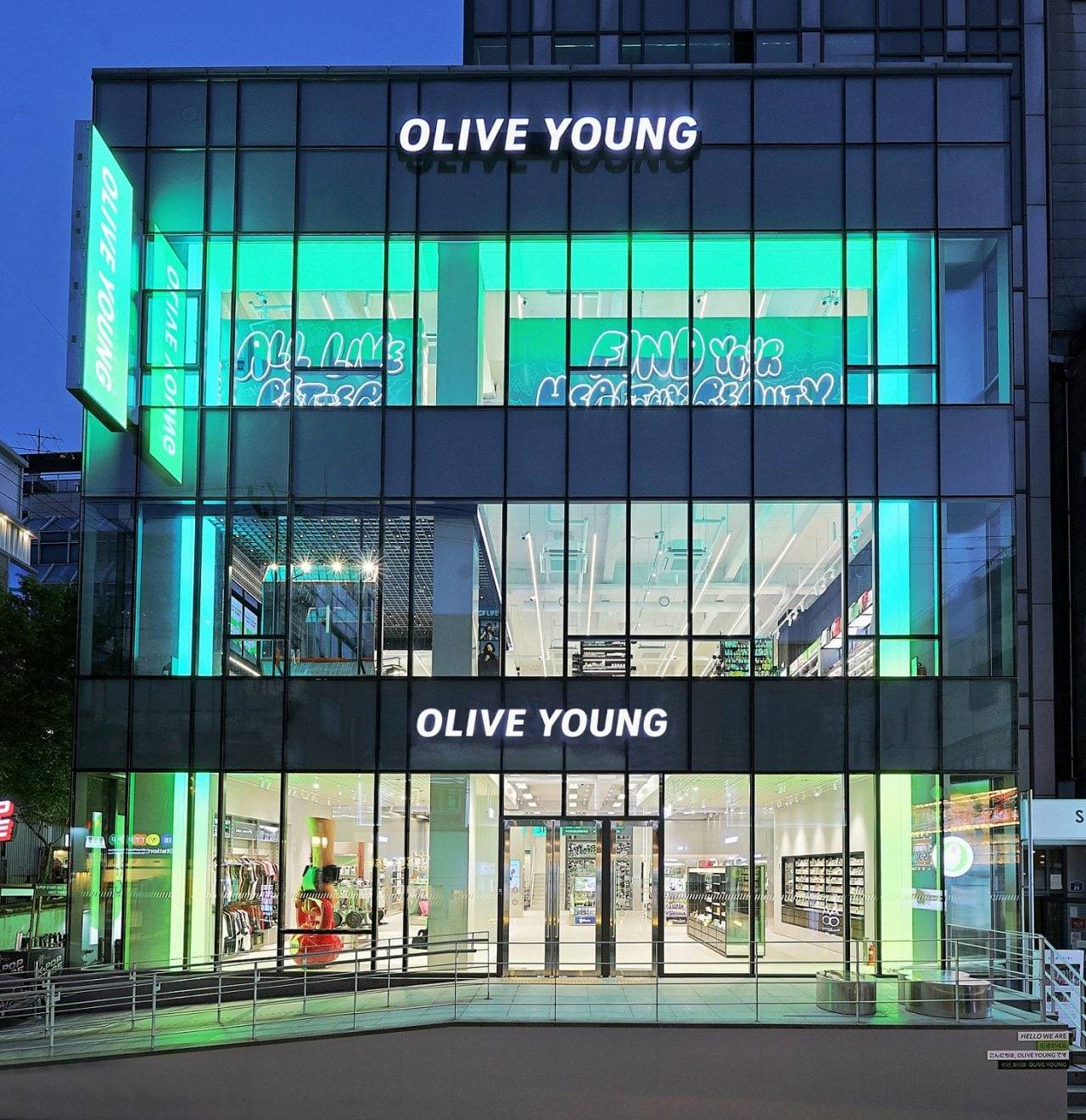
A significant market signal emerged with reports that South Korean health and beauty retailer Olive Young may be preparing a return to China after a six-year absence. The potential re-entry is reportedly supported by the South Korean government, which envisions Olive Young as a “container-type platform” capable of enabling multiple small and medium-sized Korean beauty brands to enter China collectively.
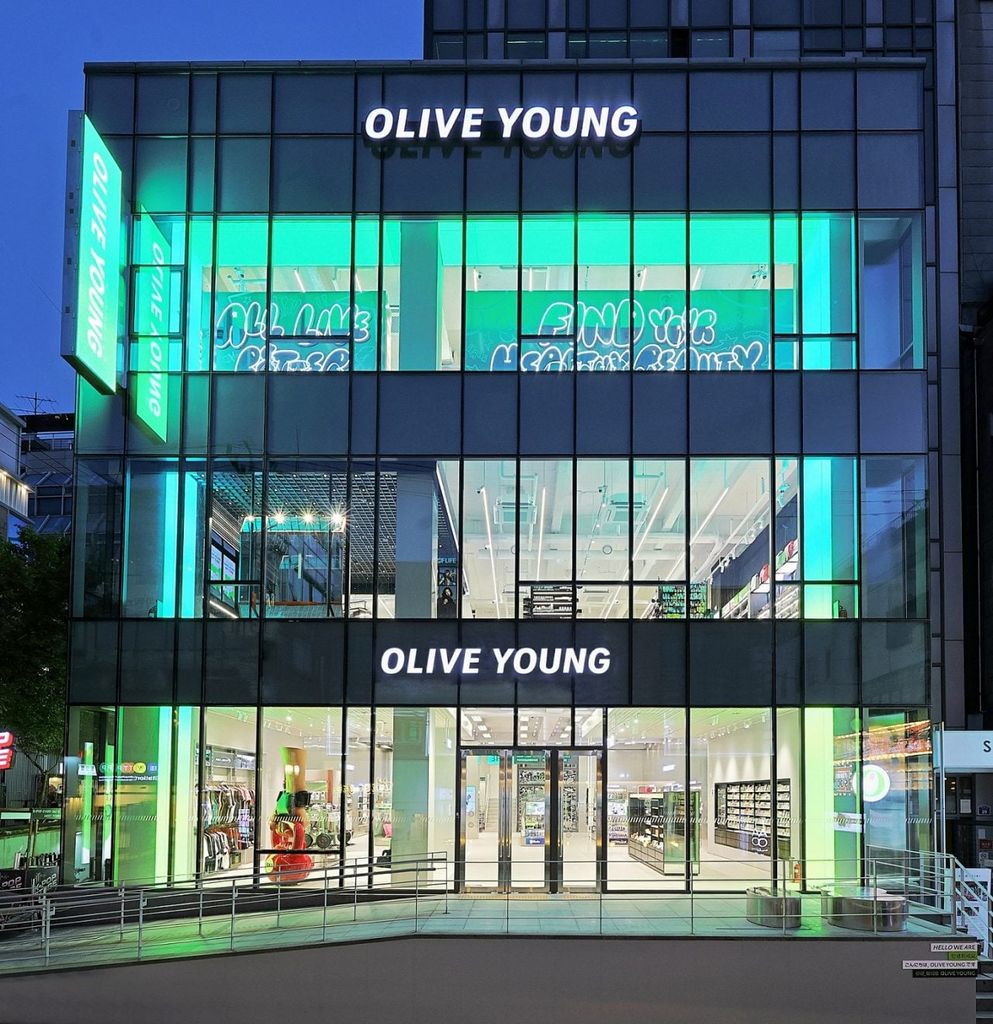
South Korean officials have reiterated that China remains a critical overseas market for consumer goods—particularly in beauty and food—despite higher barriers to entry. By positioning Olive Young as an aggregator platform, the aim is to reduce costs, streamline access, and enable coordinated market entry. The development underscores the enduring appeal of platform-based retail models in China, where scale, ecosystem support, and operational integration remain decisive advantages.
Conclusion
This week’s developments point to a consumer market in transition. From a textile alliance that could reshape manufacturing models, to immersive retail concepts and landmark cross-border investments, brands are consolidating resources, refining channels, and rethinking growth strategies. As competition intensifies, success in China’s consumer market increasingly depends on structural strength, cultural resonance, and strategic clarity.