
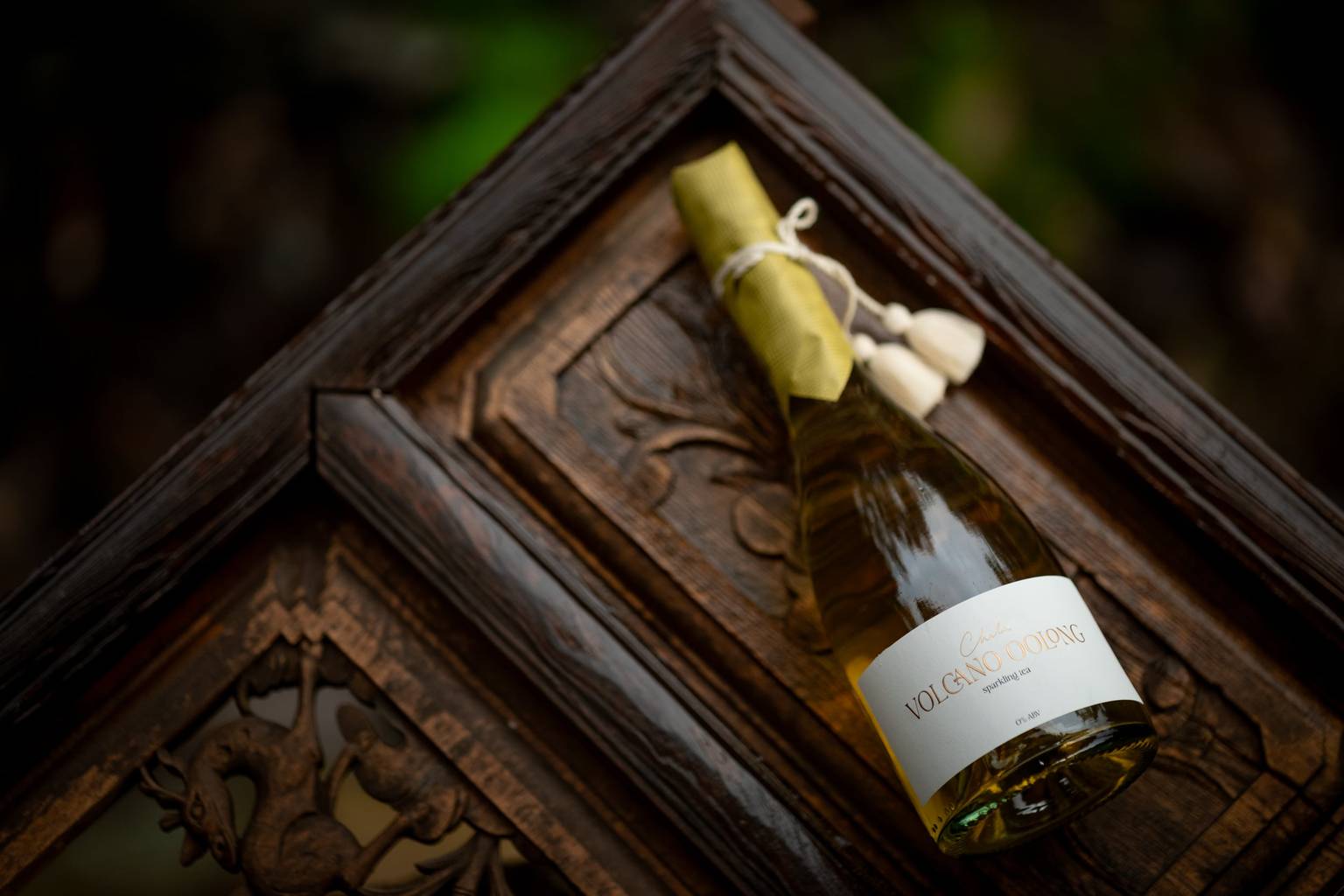
For centuries, tea has shaped the emotional and sensory rhythms of daily life across China. From the terraced mountains of Yunnan to the scholar’s desk, the tea table has served as a place of clarity, hospitality, and cultural connection. But as global drinking habits shift and conscious consumption rises, tea is entering a new era—one that asks how ancient rituals can be reimagined for modern life. It is in this moment of transformation that Chalu, the sparkling tea brand founded by Fraser Kennedy, has emerged as a bridge between heritage and innovation, China and the world, tradition and contemporary celebration.
A Moment of Clarity
Chalu’s story did not begin with a consumer insight report or a carefully shaped brand deck, but with a moment of exhaustion. Years ago, Fraser flew to Hong Kong to sell his handcrafted gin—a product he had poured years of brewing and distilling expertise into. Instead of the smooth commercial conversations he expected, he spent days trying to persuade a single potential buyer to place an order. By the end of the trip, he felt drained, unsettled, and unsure whether he was even building the right product.
“I remember thinking, if I have to chase one man across Hong Kong to sell gin, I need to rethink my strategy,” Kennedy recalls.
The experience forced him into a pause. During this time, he began paying closer attention to how the non-alcoholic category was evolving. Brands like Lyre’s were showing that consumers were no longer satisfied with old-fashioned “boiled beer” and “de-alcoholized wine.” People wanted something designed from the start to be alcohol-free—something flavor-driven, intentional, and complete on its own terms.
Kennedy realized that if he was going to create a non-alcoholic beverage, it couldn’t be an imitation of alcohol. It had to begin with ingredients that already held emotional, cultural, and sensory depth. And in China, no ingredient carries deeper meaning than tea.
“Once I understood that the future of this category is flavor rather than imitation,” he says, “that’s when everything clicked.”
This shift—from frustration to clarity—became the philosophical beginning of Chalu.
Rediscovering Yunnan’s Living Terroir
Kennedy began traveling across Yunnan, immersing himself in the landscapes where tea has been cultivated for centuries. What he found was not simply an agricultural product, but a living sensory world shaped by altitude, soil, climate, and culture. He met members of the Bulang ethnic minority who were tending tea trees that had lived for 600 or 700 years—trees that had weathered empires, seasons, and generations.
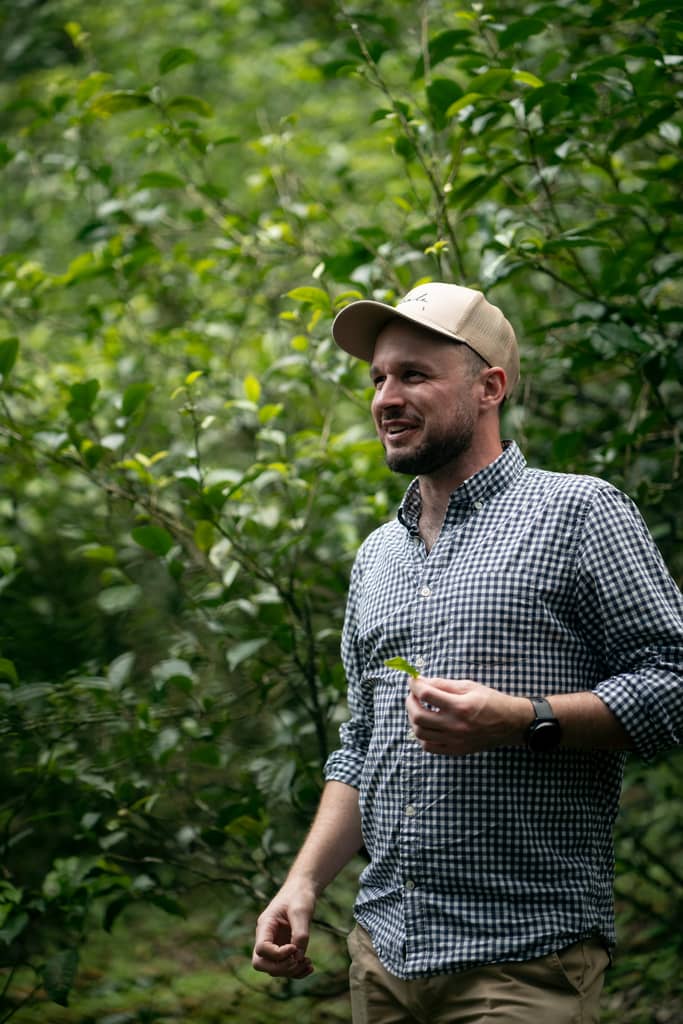
“Yunnan is one of the few places on earth where you can make so many different types of tea within a couple of hours of each other,” he says. “Oolong, jasmine, white pu’er, red tea—its diversity is unbelievable.”
Standing in those ancient forests, Kennedy experienced the same sensation he once felt while tasting Guinness in Dublin. The flavor wasn’t simply a product; it was a reflection of place, memory, and community. “Context transforms flavor,” he says. “You can’t separate the taste from the land that produces it.”
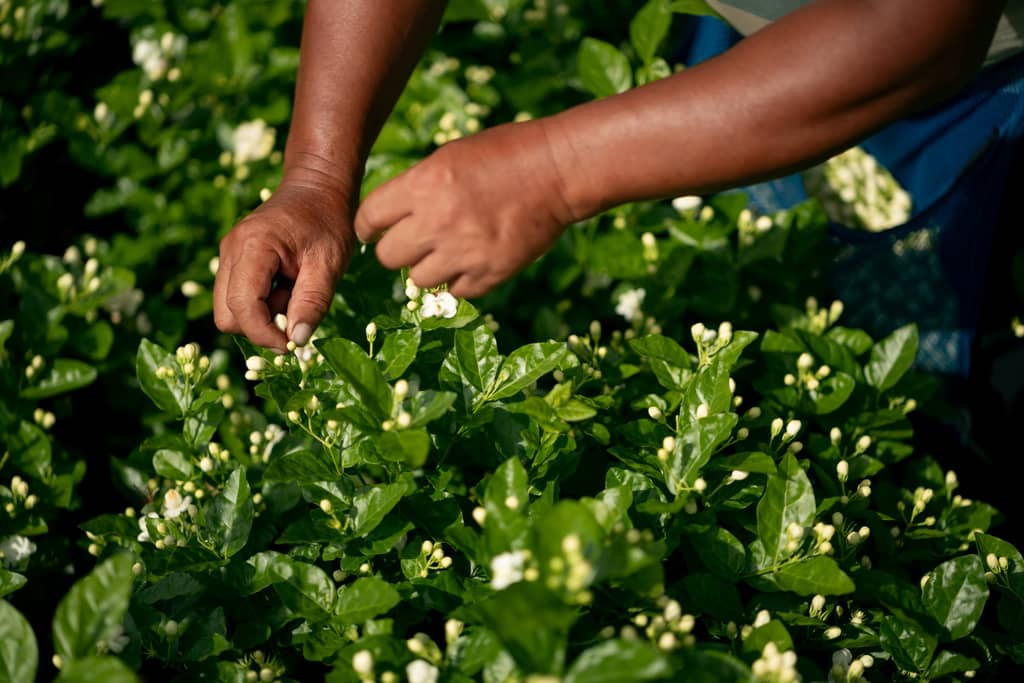
This understanding—that tea is terroir, not commodity—became the foundation of Chalu’s identity.
From Brewer to Alchemist
Kennedy’s background in brewing and distilling became an unexpected advantage. Brewing taught him structure, layering, and balance. Distilling taught him sensitivity, nuance, and restraint. Tea, he found, required all of these skills.
“The brewing world teaches you structure,” he says. “The distilling world teaches you sensitivity. Tea requires both.”
He approached tea like an olfactory pyramid—top notes, middle notes, base notes—borrowing from perfumery to shape flavor in layers. He didn’t want “tea with bubbles.” He wanted a beverage with the architecture of wine, the depth of spirits, and the cultural grounding of Yunnan tea.
Chalu’s blends reflect this philosophy. They are not substitutes for alcohol; they are a new category, built from the ground up around flavor, craftsmanship, and ritual.
Tea for the People
Despite its craftsmanship, Chalu’s ethos is rooted in inclusivity. Fraser wanted to create a beverage that felt premium yet democratic—something that could sit on the table at a Michelin restaurant, but also at a casual dinner among friends.
“Tea has always been for the people,” he says. “Everyone, from every background, has a connection to tea.”
Chalu was designed to reflect that spirit. Its role is not to replace alcohol, but to offer an alternative form of celebration—one that invites everyone to participate. It offers the sensory satisfaction of a well-crafted beverage without the heaviness or exclusion often associated with alcohol.
This aligns with a broader global shift: the rise of conscious drinking. Younger consumers today want experiences that are mindful, intentional, and story-driven. Chalu, with its layered flavors and cultural depth, speaks directly to that sensibility.
The Taste of Modern China
Kennedy has lived in China for over a decade and has seen firsthand how the country’s relationship with taste, luxury, and identity has transformed. When he first arrived, foreign brands were often viewed as inherently superior. Today, Chinese consumers are seeking products rooted in craftsmanship, cultural clarity, and authenticity.
“People no longer want copies of Western products,” Kennedy notes. “They want something that feels true to where it comes from.”
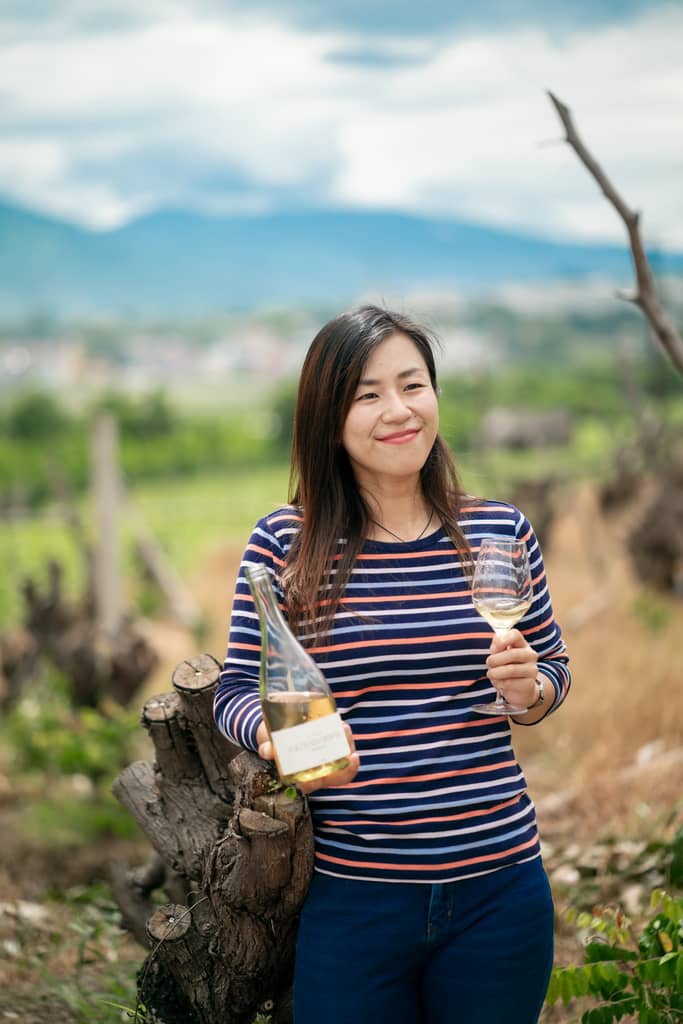
This shift is part of a broader cultural renaissance, where Chinese brands are drawing from their own heritage rather than chasing imported aesthetics. Chalu fits squarely into this movement. It expresses a new kind of Chinese confidence—one that is quiet, nuanced, and deeply rooted in place.
A Contemporary Tea Road
Tea has long been a cultural bridge—traded across mountains, borders, and empires. Chalu continues that legacy in a modern form. Fraser sees his brand not as an export of product, but as an export of experience.
“We wanted to create something that is untouchable from a Western perspective,” Kennedy says. “Something that could only come from China.”
By grounding the beverage in Yunnan’s unique terroir, cultural heritage, and craftsmanship, Chalu offers global consumers a new way to understand China—not through clichés, but through taste, ritual, and story.
A New Celebration
Today, Chalu sits at the intersection of hospitality, wellness, and modern luxury. It appears in creative studios, boutique hotels, high-end dining, and intimate gatherings. Its presence signals a new approach to celebration—one defined by presence rather than excess.
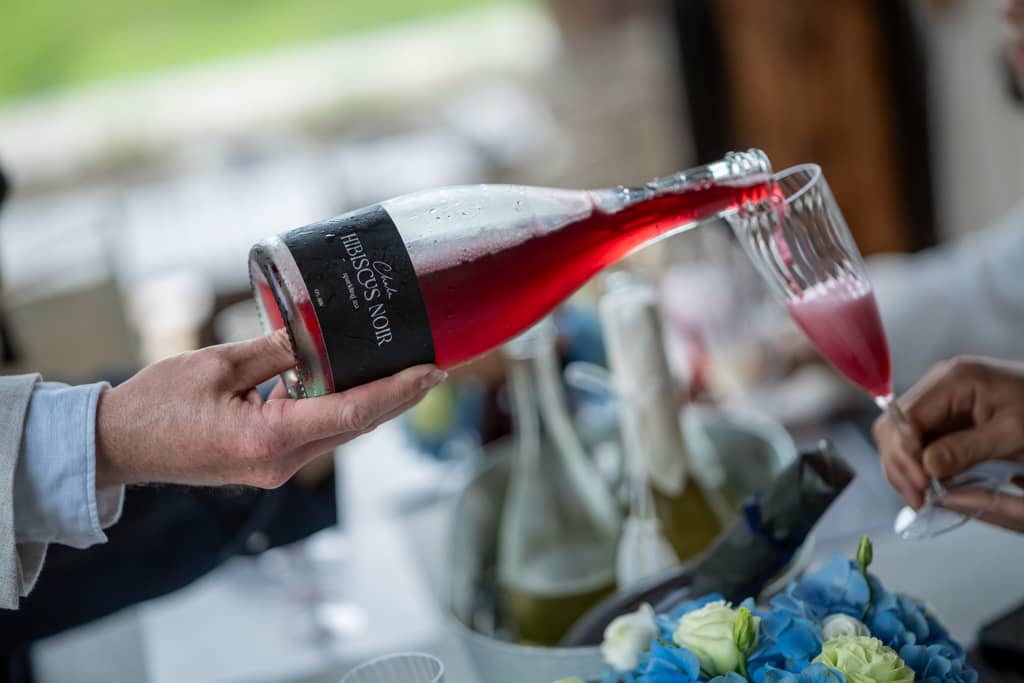
At a time when beverage innovation can feel loud and performative, Chalu takes a different path. Its character is shaped by technique rather than trend, by the layered flavors of Yunnan tea rather than flavorings engineered to mimic alcohol. It resonates because it offers something consumers increasingly seek but rarely find: a drink that feels elevated without excess, modern without abandoning tradition. In doing so, Chalu offers a new blueprint for what celebration can be in a more mindful age.
From Yunnan to the world, Chalu is hoping to reshape the ritual of drinking for a new generation—one that values flavor and story above all.