As brands shift from chasing volume to building long-term trust, PR firms in China are evolving into strategic growth partners—balancing efficiency with emotional value.
Over the past decade, LABELHOOD has evolved from an underground fashion showcase to a cultural force shaping China’s design narrative, bridging creative experimentation with global retail opportunities.
Through the Fashion Challenges Forum and its integration with Clockenflap, the platform positions Hong Kong as a “Super Connector,” translating Asian cultural depth into global fashion understanding while building the infrastructure needed for long-term growth.
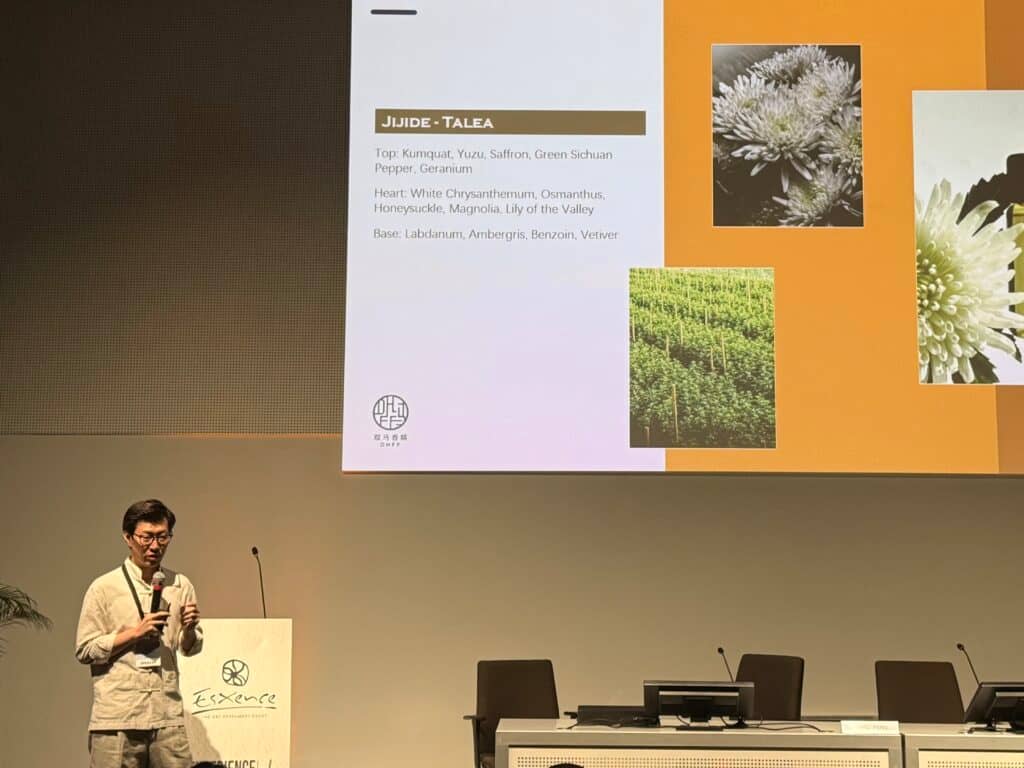
Through its Chinese Raw Materials Return Project, Chinese fragrance brand To Summer is working to integrate ingredients such as Jingmai Pu’er tea and Xinhui aged tangerine peel into the global perfumery system via standardized extraction and IFRA recognition. The brand offers a case study in how Chinese fragrance may achieve
At Beauty Shanghai 2025, five emerging C-beauty brands revealed how China’s beauty industry is evolving beyond trends—toward a new aesthetic standard rooted in culture, design, and slow luxury.
As China’s outbound travel market enters a new phase of maturity, Viking is redefining what luxury means for an often-overlooked group: the silver generation. Viking’s new “River + Ocean” program marks a bold new chapter for China’s mature travelers.
Fragrance takes the spotlight and ASEAN emerges as the next beauty growth frontier at Cosmoprof Asia 2025, highlighting Asia’s expanding role in redefining global beauty.
Liquides Imaginaires marks its third entry into China with a renewed vision of perfume as poetry and strategy. Founder Philippe Di Méo shares how the brand connects French artistry with China’s evolving niche fragrance scene and its spiritual economy.
As Korean beauty reshapes European skincare, what lessons can China’s beauty brands learn? From cultural storytelling to experiential retail, here’s how C-beauty can chart its global path.
Arc’teryx’s controversial fireworks collaboration with Cai Guo-Qiang in Tibet backfired, triggering backlash from its core outdoor community and raising questions about luxury ambition, brand misalignment, and ESG credibility.