
Over the past decade, LABELHOOD has quietly become one of China’s most influential incubators of independent fashion. Born out of Shanghai’s street culture and youth movement, the platform has grown far beyond its early roots at Shanghai Fashion Week. Today, it represents a new kind of cultural infrastructure—one designed to nurture local talent and connect Chinese fashion to the world.
Ten years and twenty seasons later, LABELHOOD has carved out a sustainable pathway for Chinese fashion—one that leads from avant-garde creativity to real-world market validation.
Unlike sales-driven platforms, LABELHOOD has long positioned itself as a system builder. Through runway shows, editorial storytelling, retail networks, community building, and incubation programs, it has supported designers from their earliest creative expressions to establishing brand identity, achieving commercial success, and expanding globally.
In China, LABELHOOD continues to provide cultural context and business scaffolding through its seasonal fashion festival, retail presence, and youth community YOUTOPIA. Overseas, it anchors its global expansion in high-profile retail partnerships with Harrods in London, Hyundai Department Store in Seoul, and other leading outlets. Through market cycles and cultural shifts, LABELHOOD has remained a vital force in preserving the spirit of “vanguard” for a new generation of Chinese design.
When Ideals Take Root: A Decade of Practice with Chinese Designers
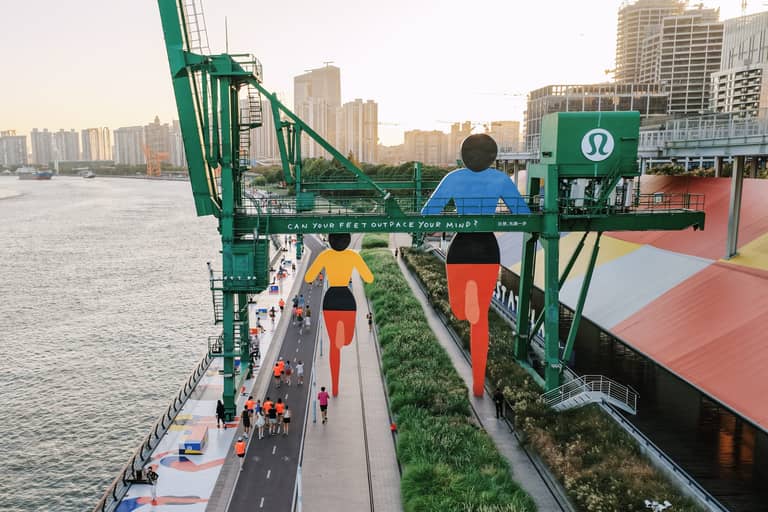
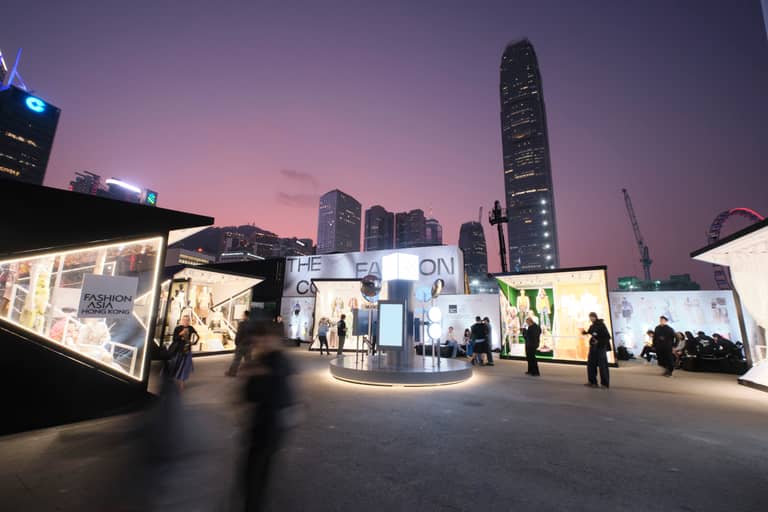
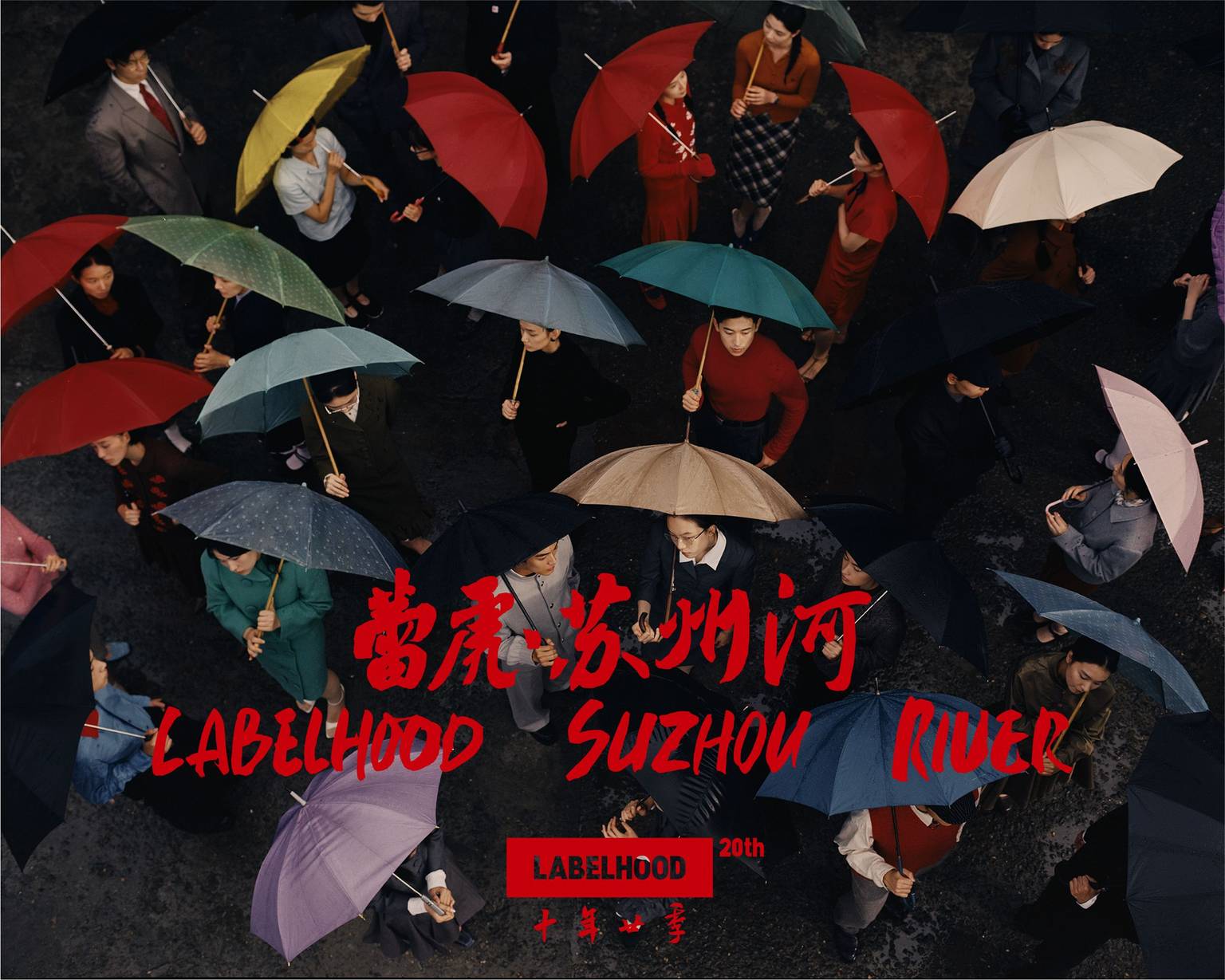
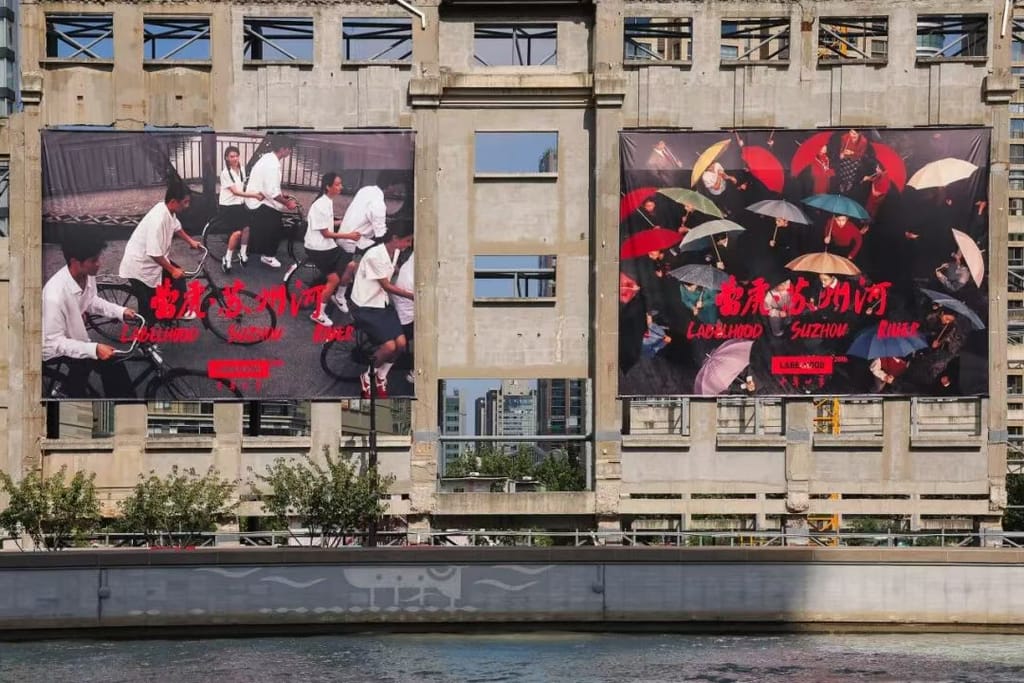
In Fall 2025, along the banks of Shanghai’s Suzhou Creek, LABELHOOD celebrated the 20th season of its avant-garde fashion and arts festival.
This milestone edition featured a unique cultural collaboration with A Magazine Curated By, under the shared theme “LABELHOOD · Suzhou River.” Two parallel exhibitions unfolded: A Magazine Curated By: 25 Years of Curation and Creation, and LABELHOOD: 20 Seasons of Cultural Presence. Together, they presented the creative journeys of 24 Chinese designers over the past ten years, woven with archival materials from international designers and magazine curations—forming a multilayered exploration of fashion, culture, and contemporary identity.
Also revisiting this cultural dialogue was photographer Zhang Jiacheng, who, ten seasons after his “Yellow River” series, returned to shoot “Suzhou River” with Nike. His lens dove into the memories of 1990s Shanghai, capturing the early flickers of China’s fashion awakening.
Across LABELHOOD’s stages, avant-garde designers presented a diverse portrait of contemporary creativity. The YOUTOPIA Festival pulsed with self-expression under the theme of “New Wave,” while livestream trends took center stage in the Douyin “Rebirth” fashion show, bringing internet aesthetics into the mainstream. And around the LABELHOOD block, ideas spilled over into more accessible, lifestyle-driven expressions—creating an ecosystem where creativity, commerce, and community could blend and thrive.
Following the flow of the Suzhou River, LABELHOOD has grown in the interplays of light and current. Its definition of “vanguard” has transcended posture, becoming an undercurrent nourishing the fabric of China’s fashion ecosystem—and pushing it toward the open sea.
Vanguard Requires Patience
Over the past decade, China’s booming fashion consumption has dramatically reshaped the landscape for local designer brands. Once perceived as niche or esoteric, these labels are now entering the mainstream—even finding homes in large commercial complexes.
LABELHOOD, which has been a community platform supporting the growth of more than 95% of local designer brands, has played a pivotal role in this evolution. Still, the word “vanguard” remains one of the most defining labels attached to its identity.
But what does “vanguard” really mean?
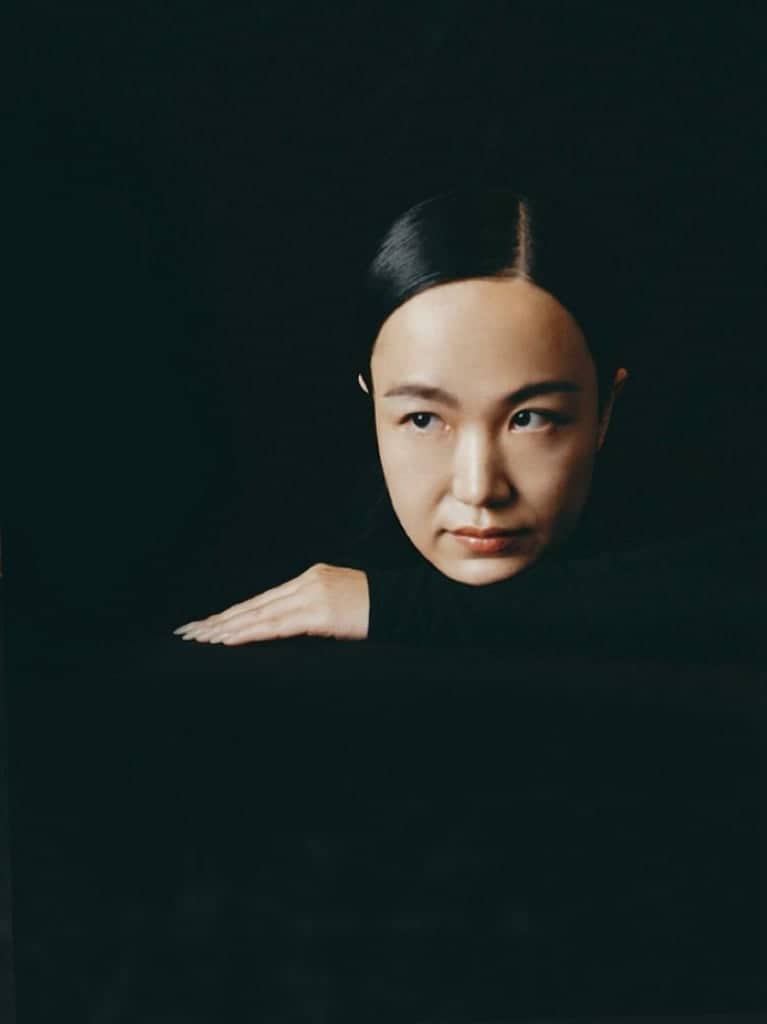
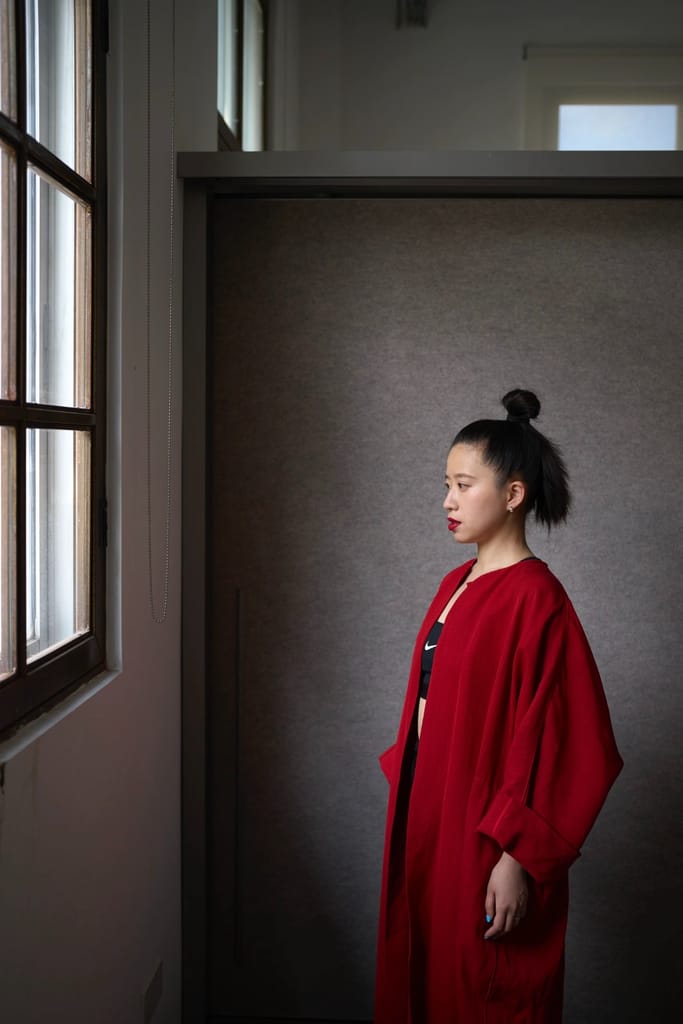
“For us, it doesn’t simply refer to how experimental or ‘unwearable’ a design is,” says Tasha Liu, co-founder of LABELHOOD, in an interview with Jingzhi Chronicle. “It’s about encouraging designers to stay independent—through every wave of trends and hype—and remain faithful to the purity and consistency of their personal expression.”
Of course, translating this kind of purity into sustainable business is no easy feat. In Lius view, a designer’s journey is never linear.
“Many designers begin with a strong voice—recognizable, memorable. But it takes time for that voice to interact with the market and evolve into a scalable business. It’s a long, patient process.”
This is why Liu often describes LABELHOOD’s role as “making friends with time.” Helping a brand move “from creativity to market” isn’t a single event—it’s an ongoing journey.
That long-term mindset is what keeps LABELHOOD grounded, even in the face of a turbulent market. Whether during the early-pandemic surge of new brands or the cautious contraction that followed, LABELHOOD remained steady.
“We have a few core convictions,” Liu explains, “one of which is the importance of building a brand’s IP.”
Take SHUSHU/TONG, for example. Co-founded by Lei Liushu and Jiang Yutong, the brand started on the LABELHOOD runway and has since become one of China’s most internationally recognized designer labels. It now boasts a stable domestic sales network and is stocked by global retailers such as Dover Street Market and Lane Crawford.
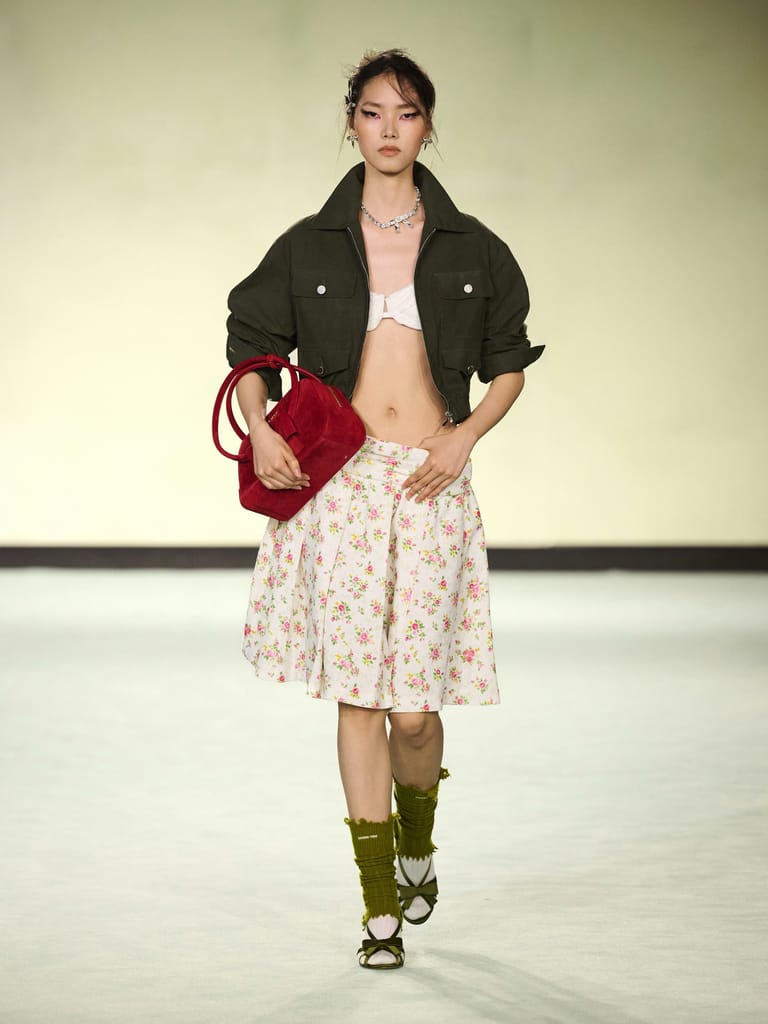
“They weren’t an overnight success. SHUSHU/TONG took nearly ten years to gain real market momentum—probably around their seventh or eighth year. But their design language never changed. That consistency—that loyalty to their original style—is their greatest strength.”
Stories like these have become foundational to how LABELHOOD mentors new designers. “Real case studies offer clarity during moments of doubt. They give young designers options and direction when the road gets hard.”
In that sense, LABELHOOD’s greatest contribution to Chinese design may be its unwavering commitment to creating cultural context and content—nurturing a space where “vanguard” ideas can take root and flourish.
From Dots to Systems: LABELHOOD’s Self-Evolution
Today, LABELHOOD is no longer a single retail or runway platform—it has grown into a comprehensive ecosystem encompassing retail, content creation, commercial partnerships, and incubation. Liu calls this transformation a process of “self-evolution”:
“We started as a few scattered ‘dots.’ Now those dots are connected, forming a real system.”
Each part of this system, she emphasizes, was created in response to real-world needs. In the early years, when designers needed visibility, LABELHOOD partnered with Shanghai Fashion Week to build dedicated presentation spaces. When designers began exploring retail, LABELHOOD helped launch their Tmall flagship stores, starting in 2018.
During the pandemic, LABELHOOD joined forces with digital platforms to host “Cloud Fashion Week,” while building in-house retail support teams to help designers develop more robust product lines and inventory systems.
“At different stages of a brand’s journey, we shift our role,” Liu explains. “In the beginning, we provide safety and space for creative expression. Later, we support the transition from wholesale to retail.”
In her view, every new experiment LABELHOOD undertakes is a response to the evolving needs of the creative ecosystem.
YOUTOPIA is a prime example. Ten years ago, it began as a small collective of Shanghai high school students, drawn together by shared interests in self-expression. With LABELHOOD’s support, it has since grown into a youth-focused creative incubator. Today, YOUTOPIA nurtures a wider network of emerging creatives across disciplines—a reflection of LABELHOOD’s evolving understanding of where the industry is heading.
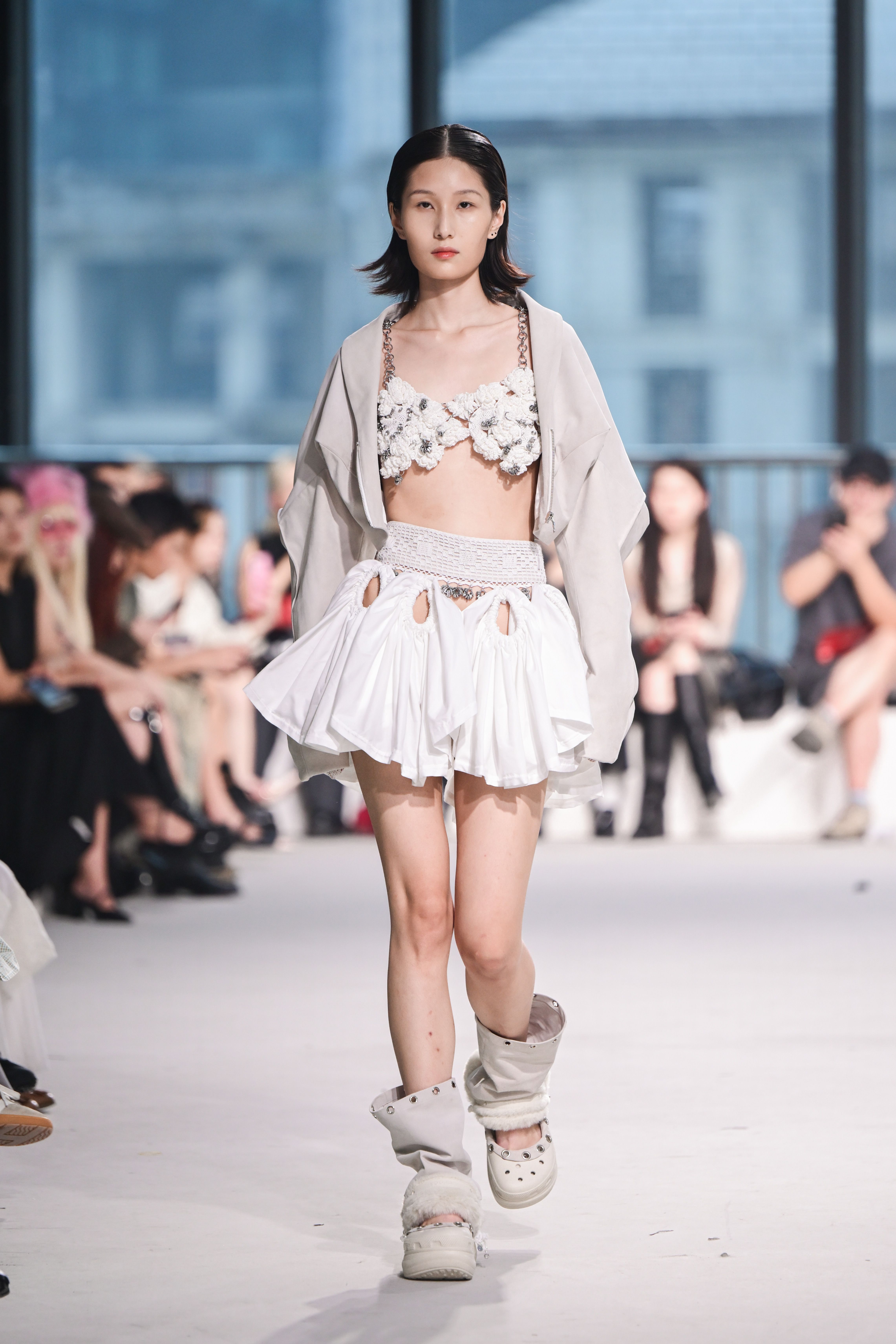
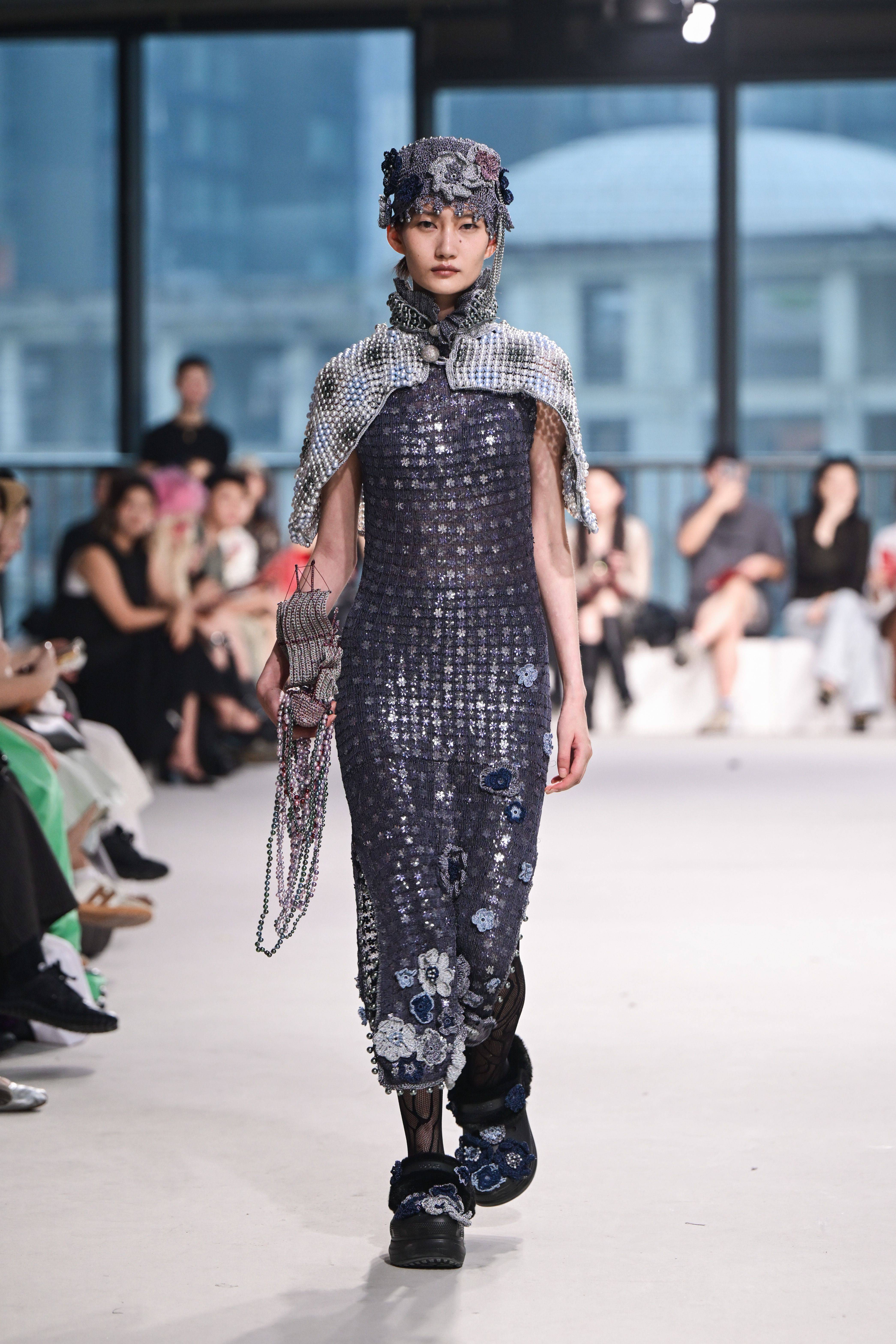
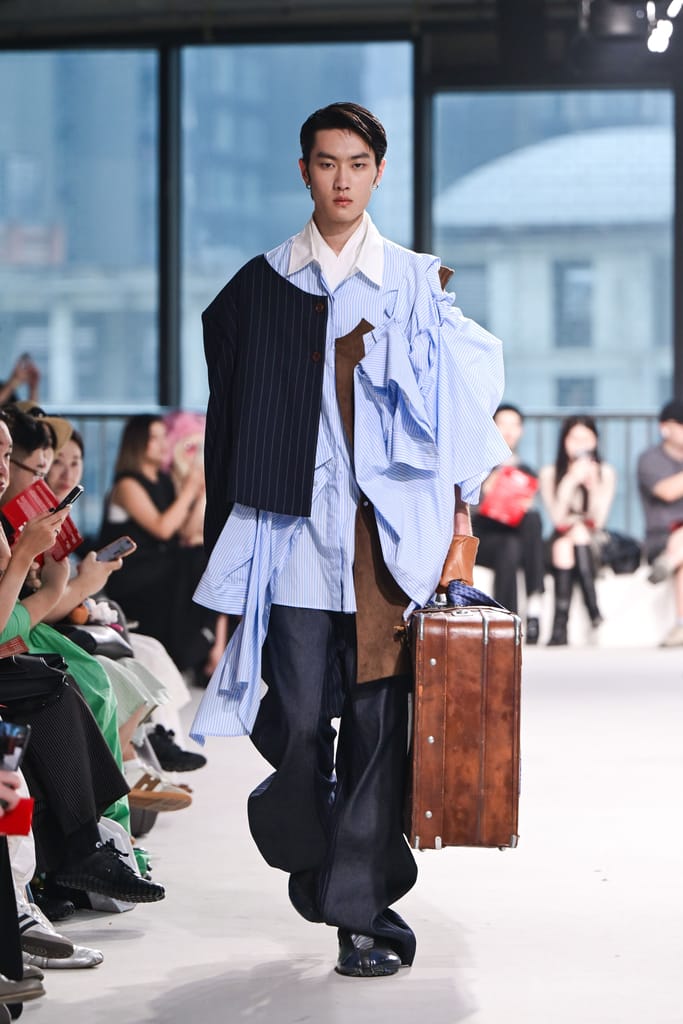
“With the uncertainty brought on by the pandemic and broader societal shifts, many young people are now hesitant to launch their own brands,” says Tasha. “That’s why we’ve started engaging with them earlier—to provide exposure and resources before they’re ready to go solo.”
YOUTOPIA’s scope has also expanded beyond fashion design to include other parts of the creative chain—stylists, hair and makeup teams, photographers.
“These roles are often with the brand from the very beginning,” Liu notes. “Take Liu Xiao, for example. She styled SHUSHU/TONG’s very first runway season. Today, she’s the Creative Director at Vogue China. You can’t expect a brand to have access to a fully mature team from the start. That’s why we help connect these people early on—so they can grow together.”
This reflects what Tasha sees as the essence of LABELHOOD’s community: connection, symbiosis, and long-term companionship.
“We want our platform to be a place where like-minded creatives can find each other organically—where inspiration and collaboration happen naturally.”
By giving young creatives a stage, LABELHOOD is also learning from their experiments and energy. This mutual growth defines its dynamic relationship not only with emerging talents, but with China’s broader fashion ecosystem.
Parallel Paths, Shared Oars: LABELHOOD’s Global Strategy
In recent years, Chinese design has attracted growing international attention. But how to make “Chinese design” a natural part of the global fashion discourse remains a key question for the industry.
In early 2025, LABELHOOD debuted a window display titled “LABELHOOD: Home Across Seas” at London’s iconic Harrods department store. Coinciding with Lunar New Year, the installation showcased the fusion of Eastern aesthetics and contemporary creativity. This was LABELHOOD’s third collaboration with Harrods for Chinese New Year and marked the first time a Chinese cultural brand was given prime exterior-facing windows on Harrods’ main shopping street.
Just a month later, LABELHOOD activated a pop-up at Hyundai Department Store’s Apgujeong flagship in Seoul, celebrating the retailer’s 40th anniversary. The “LABELHOOD · Seoul Performance” event featured eight brands—including AO YES, ASSIGNMENTS, ERDOS, and SHUSHU/TONG—bringing a new generation of Chinese design to Korean audiences.
These high-profile partnerships reveal LABELHOOD’s key strategy for going global: anchoring expansion through iconic department store channels.
“It’s a fast and effective way to enter a new market,” Liu explains. “The most important thing is to find the strongest local partner. For any new market we enter in the next five years, our first step will be identifying the most influential local collaborator. That’s the fastest way to gain awareness.”
Thanks to its diverse brand network, LABELHOOD is able to curate flexible brand lineups tailored to each market.
“At its core, retail is about connecting with the right audience,” says Liu. “Our job is to match those audiences with the right brands.”
For example, in Harrods, the theme emphasized Chinese creativity and “Eastern spirit,” while the Seoul pop-up was positioned under the tagline “LABELHOOD Girls Debut in Seoul,” with a lineup curated specifically to resonate with how Korean audiences perceive Chinese fashion.
From a broader perspective, Liu views Chinese designer brands’ global expansion as a form of “co-creation”—an exchange of strengths between LABELHOOD and the designers it supports.
“Designers and LABELHOOD are each moving forward on the paths that work best for them. Later, we come together, compare notes, and figure out how to combine strengths. For example, when it comes to joining overseas showrooms, individual brands are often better equipped. But for overseas pop-ups, a group activation led by LABELHOOD is more efficient than going solo.”
Still, Tasha Liu views overseas expansion as more of a “bonus track.” The core mission remains rooted in China—the market that nurtures and sustains the entire designer ecosystem.
Thanks to platforms like LABELHOOD, local designer brands have steadily moved beyond their “niche” status, gaining stronger market leverage and commercial visibility.
“Today, major real estate developers like Swire, China Resources, Kerry, and Hang Lung are all interested in working with emerging brands,” says Liu. “They want to find the right fit.”
Ten years ago, LABELHOOD emerged like a small current flowing through the energy of Shanghai Fashion Week. A decade later, that current is still flowing—deeper, broader, and stronger.
“We want to be a commercial partner to designers,” Liu says. “Our goal is to fill the gaps in their business capabilities so they can focus on creativity while building a well-rounded commercial foundation.”
Ten years in, the current hasn’t stopped. Like water—shapeless, but always moving.