
A weekly snapshot of the China consumer market, tracking brand partnerships, retail expansion, and investment activity.
This week’s developments reveal a market in transition. Global luxury houses delivered uneven quarterly results, with Gucci extending its downturn while Hermès and LVMH held steady in Greater China. In beauty, multinationals saw a clear rebound on the mainland, even as domestic players posted divergent earnings—some scaling new heights, others navigating painful restructurings. Meanwhile, cross-industry collaborations and strategic investments signal where brands are placing their next bets.
Luxury’s Diverging Paths: Gucci’s Long Slide, Hermès’ Steady Hand
Let’s start with luxury. Kering’s first-quarter performance remains a concern. Group revenue came in at €3.57 billion, missing market expectations. The core issue? Gucci. The brand posted €1.35 billion in revenue, down 8 percent—marking its 11th consecutive quarterly decline. The newly appointed CEO has made Gucci a “top priority,” but the data shows no turning point yet.
In contrast, Hermès proved more resilient. Despite a nearly €300 million negative impact from currency fluctuations, the maison delivered €4.1 billion in revenue, up 5.6 percent at constant exchange rates. More notably, Greater China continued its modest growth, helping lift the wider Asia-Pacific (ex-Japan) region by 2.2 percent. The new Beijing Sanlitun store has opened, and further retail expansion will continue to contribute to growth.
LVMH, meanwhile, reported €19.12 billion in first-quarter revenue, up 1 percent organically. Asia (ex-Japan) led with 7 percent growth, and Greater China showed improvement from last quarter’s contraction, with local consumption gradually stabilising.
Beauty’s Two-Speed Recovery: L’Oréal Rebounds, Local Players Diverge
The beauty sector sends even more varied signals. L’Oréal Group reported first-quarter sales of €12.15 billion, up 7.6 percent like-for-like—a sharp acceleration from the 3.5 percent growth seen a year earlier. China was the standout, delivering mid-to-high single-digit growth and helping North Asia rise 4.8 percent on an adjusted like-for-like basis.
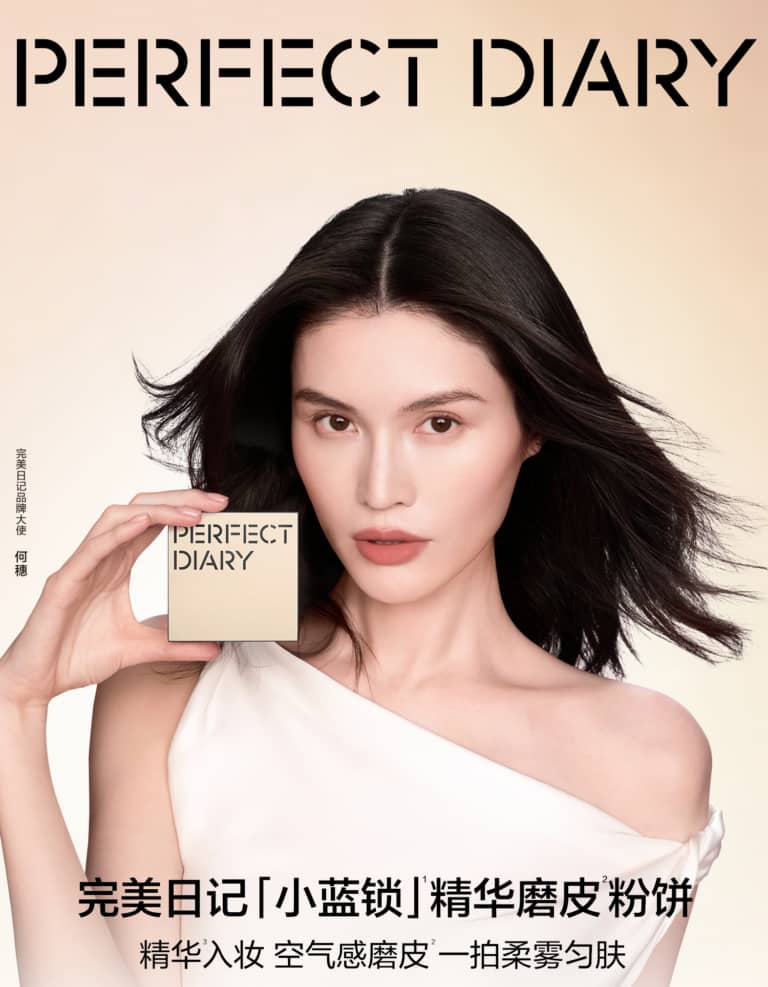
Domestic players present a picture of contrasts. Purang continues to lead, posting RMB 10.6 billion in 2025 revenue, the highest among listed Chinese beauty companies, with net profit of RMB 1.5 billion. More importantly, structural change is underway: the flagship brand’s revenue share has dropped to 72.6 percent, while three sub-brands—Off&Relax, Insbaha, and Jingshi—all more than doubled, showing a shift from single-engine to multi-brand momentum.
Bloomage Biotech took a different path. Revenue fell 21.8 percent to RMB 4.2 billion—the steepest decline in five years—yet net profit jumped 67.6 percent to RMB 292 million. How? Deep cost cuts. Selling expenses were slashed 38.5 percent, and administrative expenses fell nearly 18 percent. None of its four core skincare brands now exceed RMB 1 billion. Profit recovery has been driven by cost control, but the top line has yet to stabilise, and restructuring continues.
Fuerjia saw its first simultaneous drop in revenue and profit in five years, with 2025 revenue down 6.1 percent to RMB 1.89 billion and net profit falling 34.6 percent. However, the first quarter of 2026 showed a sharp rebound, with revenue surging 82.1 percent to RMB 548 million. The channel mix is also shifting—online now accounts for nearly 80 percent of sales.
Beyond Earnings: Collaborations, Market Entry, and Strategic Bets
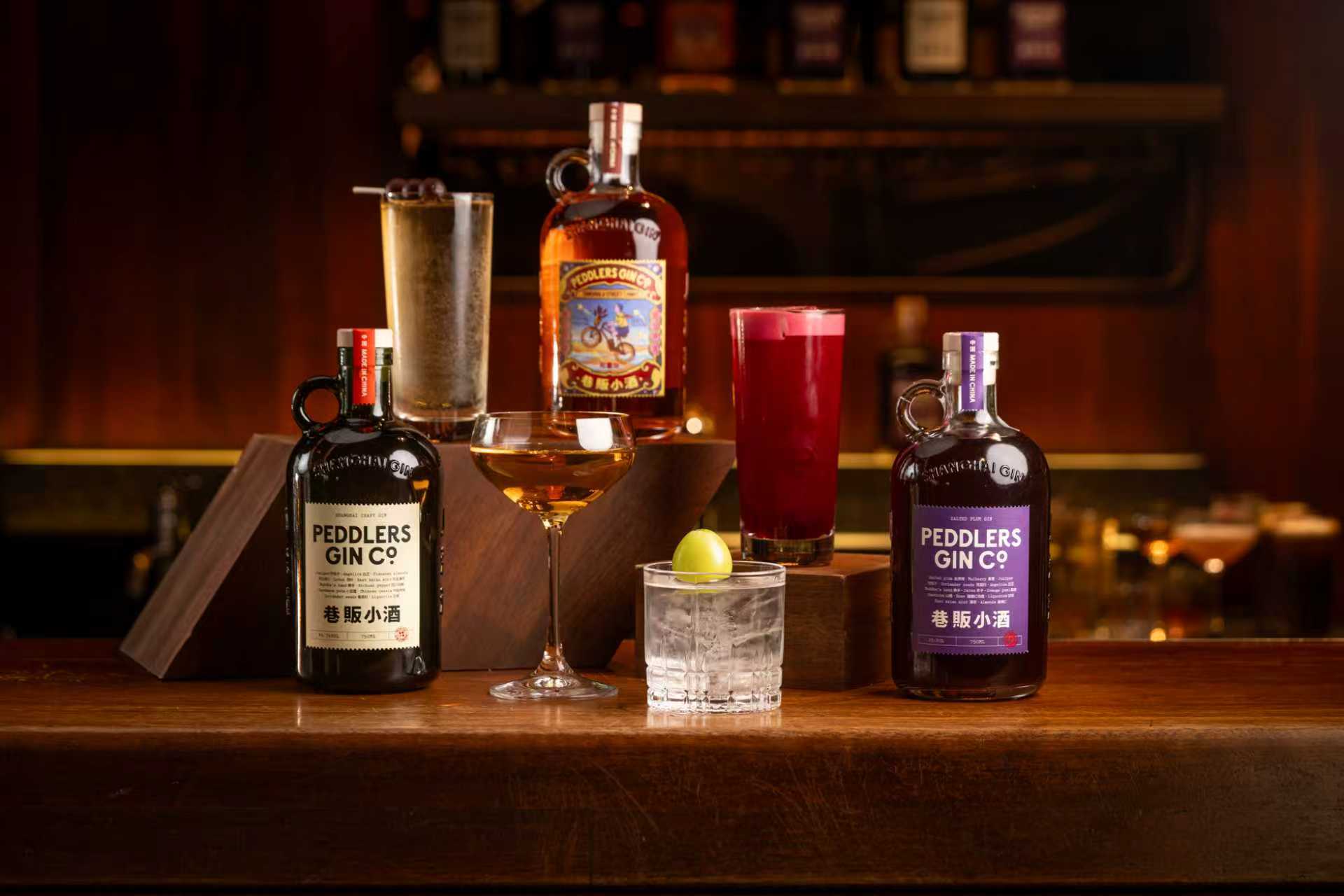
Beyond the quarterly results, several brand moves caught attention. Shanghai-based craft distillery Peddlers Gin launched a nationwide collaboration with Starbucks Reserve Bar Mixato across 19 locations, running through June 7. The menu incorporates local botanicals such as Sichuan pepper and Buddha’s hand, with a four-city guest shift tour backing the launch.
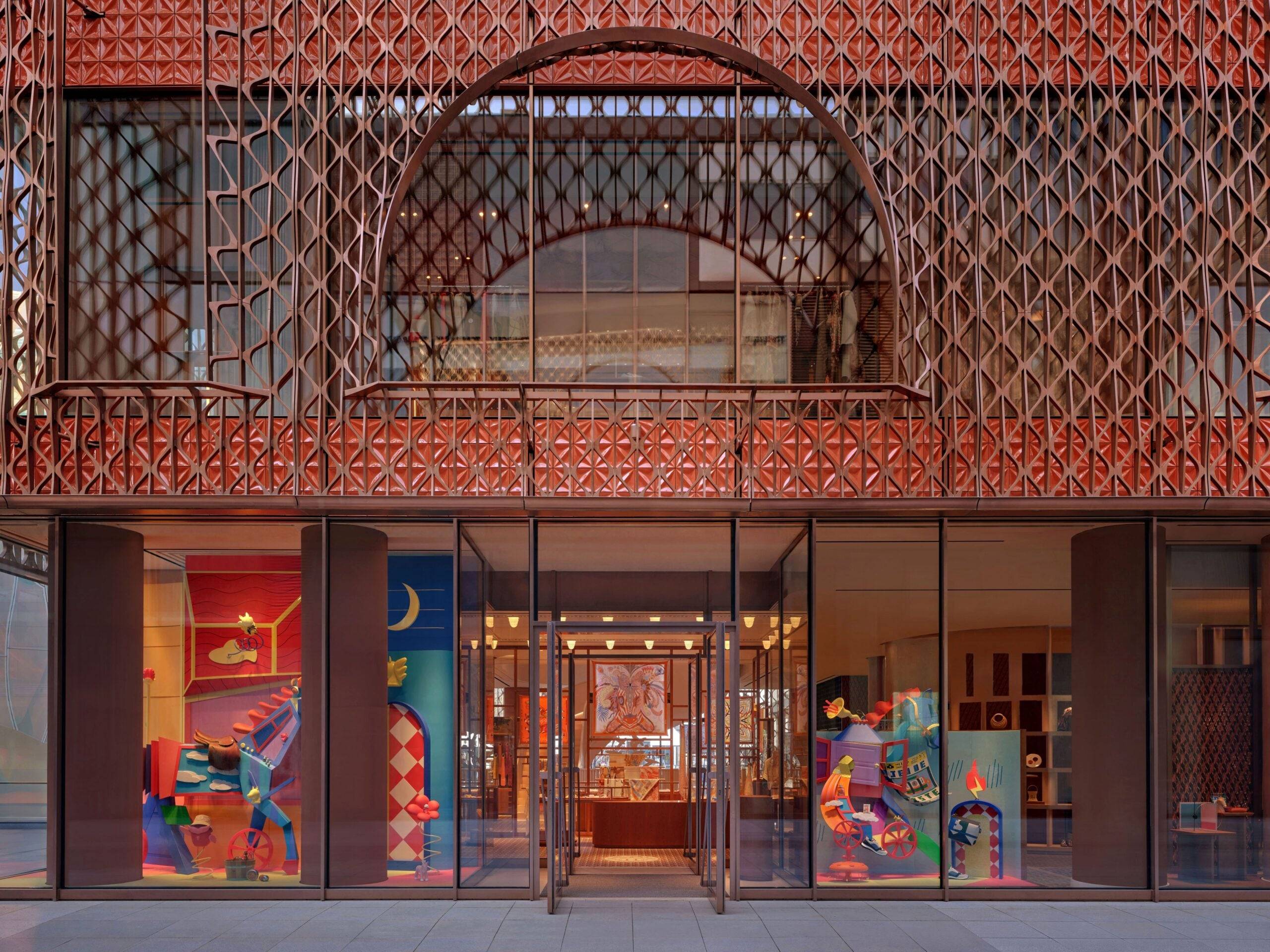
In luxury retail, Hermès made a notable local gesture by tapping CAFA graduate student Feng Yu to design the inaugural windows at its new Beijing Sanlitun store. Her proposal, “Opening the Door to the World,” was selected from 73 submissions—the first time the maison has invited Chinese university students to compete for a windows project.
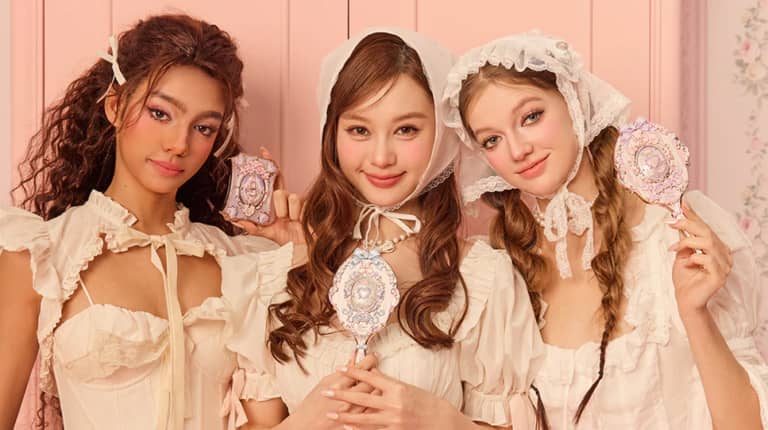
Florasis, the Hangzhou-based beauty brand, entered Dubai Mall’s Ulta Beauty store as the only Chinese beauty brand in that location. The mall sees more than 80 million annual visitors, marking a meaningful step into the Middle Eastern market.
Investment & M&A: Kering Takes a Stake in ICICLE
On the investment front, Kering announced a minority stake in ICCF Group, the parent company of Shanghai-based womenswear brand ICICLE. Founded in 1997, ICICLE operates over 200 stores, with market estimates placing its 2025 sales above RMB 3.5 billion. The investment falls under Kering’s newly launched “House of Wonders” initiative, which targets emerging luxury brands with strong cultural resonance. With Gucci still under pressure, the move signals a search for new growth narratives beyond the core.
Market Context: Cosmetics Retail Hits a Record, Luxury Enters a Screening Phase
Finally, macro signals. According to the National Bureau of Statistics, China’s cosmetics retail turnover reached RMB 122 billion in the first quarter of 2026, up 5.9 percent year-on-year—crossing the RMB 120 billion mark for the first time, a historic high for the period. March alone delivered RMB 46.3 billion, an 8.3 percent increase that outpaced overall retail growth.
A joint report from Barclays and Bernstein describes China’s luxury market as having entered a “screening phase,” moving decisively away from broad-based growth. Gucci’s closure of two core Shanghai stores is cited as a symbolic marker of this shift. Chanel and Ralph Lauren, with their stable positioning and localisation strategies, have emerged as winners in this divergence, while Loro Piana and Brunello Cucinelli have held steady through product strength. The report expects low-to-mid single-digit growth for China’s luxury market in the first quarter of 2026, with little prospect of a return to double-digit growth anytime soon.
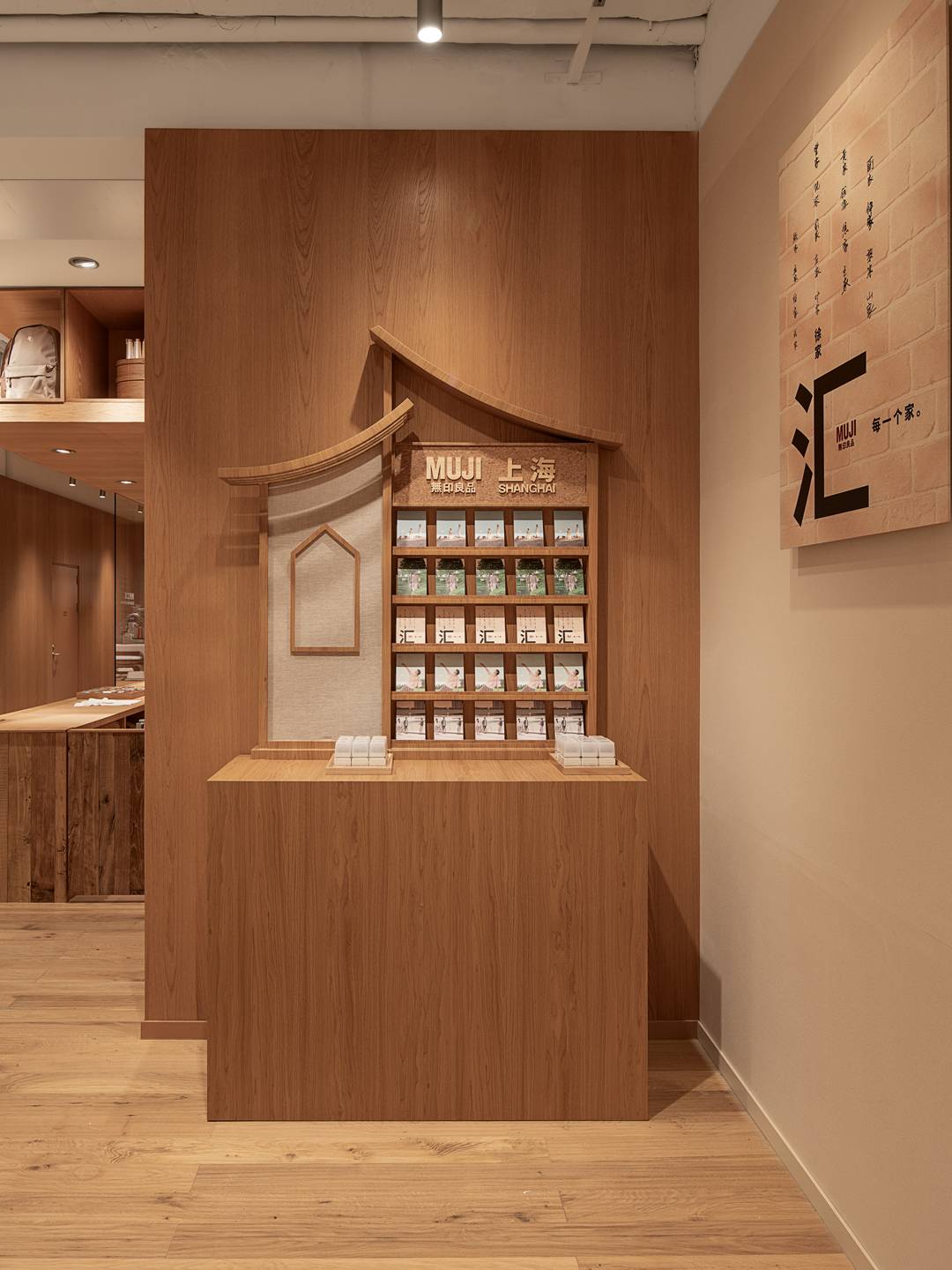
On a different note, Ryohin Keikaku reported record first-half revenue, with MUJI’s mainland China operations posting a 25.5 percent increase to JPY 85.9 billion, now representing 19.6 percent of the company’s total revenue. Behind this performance is sustained effort from local product development teams in categories such as skincare and food. The region added a net 15 stores during the period, bringing the total to 437.
Closing Thoughts
Taken together, the message from this week is clear. Whether in luxury or beauty, the China consumer market is undergoing a deep structural shift. The era of broad-based growth is over. What comes next is a test of brand positioning, operational precision, and genuine understanding of local consumers.