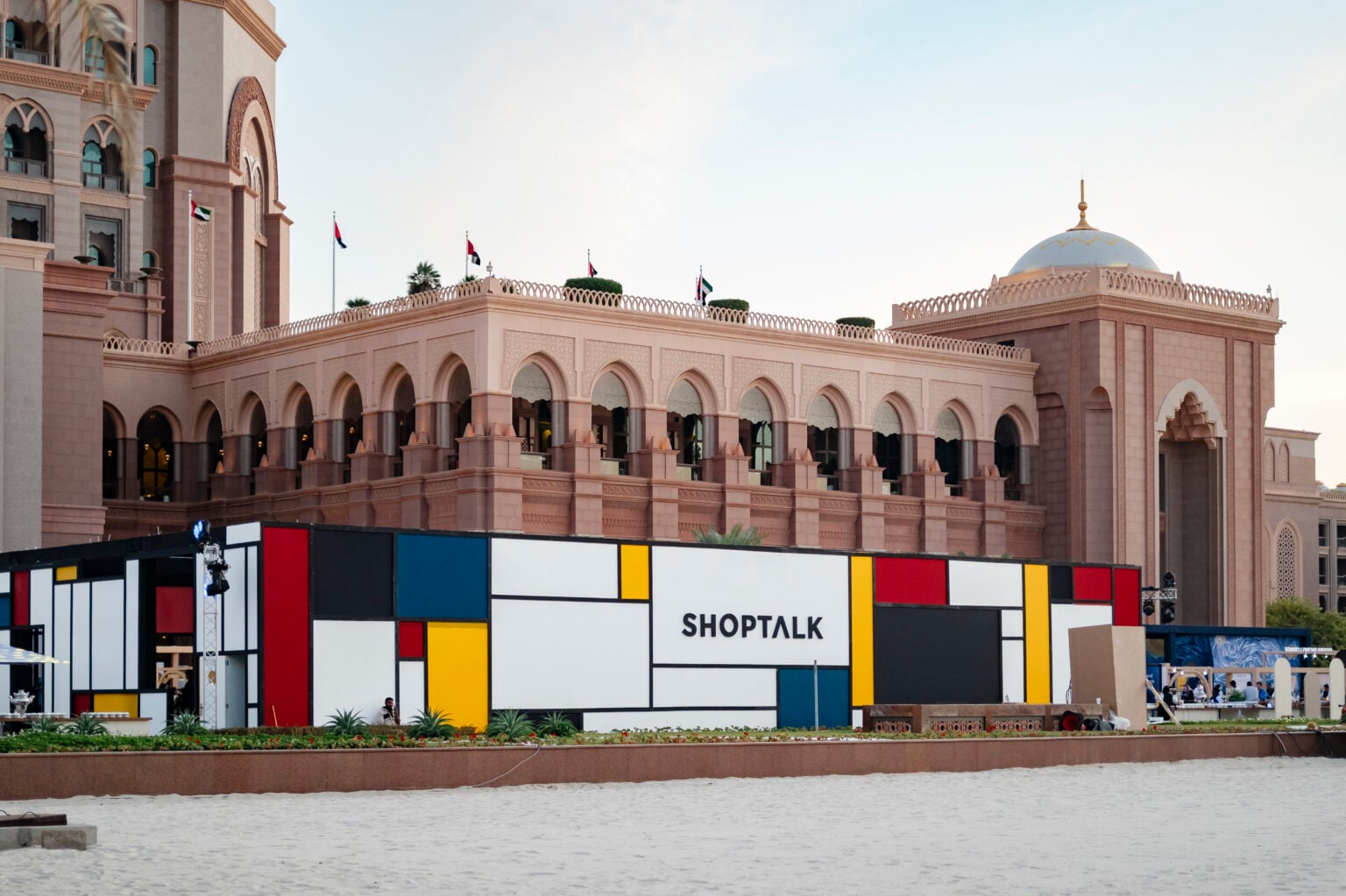
From retail reinvention to experiential luxury and the rise of new global hubs, the inaugural Shoptalk Luxe Abu Dhabi offered a glimpse into how the industry is evolving — and what the shift means for Chinese brands, innovators, and the next generation of luxury consumers.
Luxury conferences often promise a glimpse into the future. At the inaugural Shoptalk Luxe Abu Dhabi, the future of the industry felt less like speculation and more like a strategic recalibration already underway.
Across three days of conversations at the Mandarin Oriental Emirates Palace, leaders from luxury retail, fashion, hospitality, and technology gathered to discuss how the industry is evolving beyond traditional models of growth. The discussions moved fluidly between retail reinvention, experiential luxury, and the role of emerging global hubs—revealing an industry increasingly defined by adaptability, cultural relevance, and cross-sector collaboration.
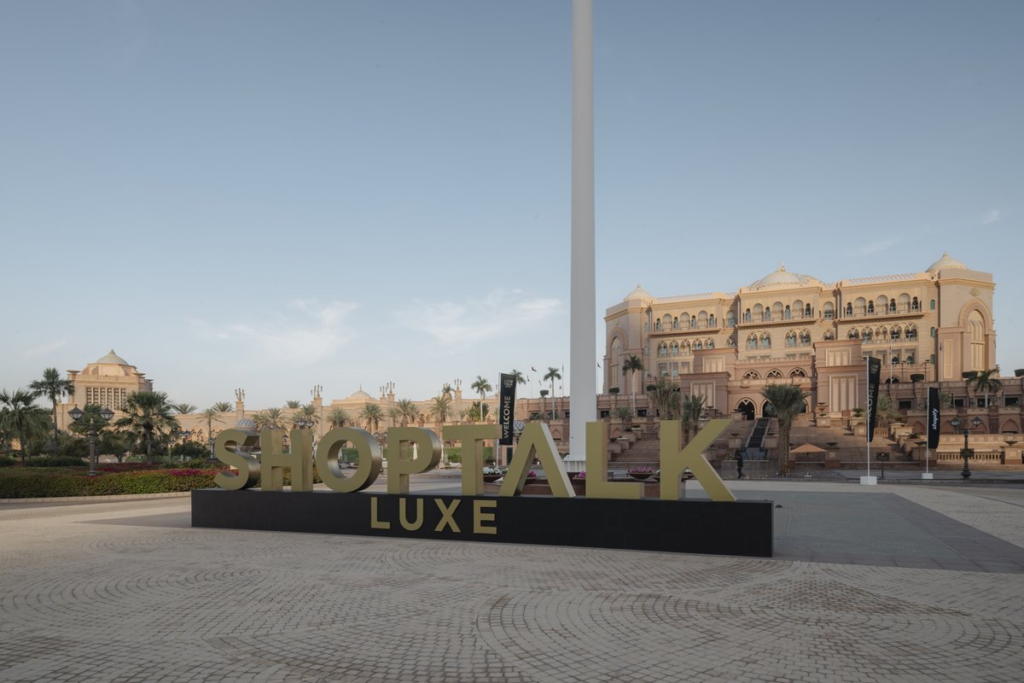
For Chinese brands, innovators, and technology partners looking outward, the conversations offered another important signal: the global luxury ecosystem is entering a new phase, and the opportunities to shape it are widening.
Shoptalk Luxe: A New Convening Hub for the Luxury Industry
The launch of Shoptalk Luxe marks a broader shift in how and where global luxury conversations take place. Long anchored in traditional fashion capitals such as Paris, Milan, and New York, the industry’s strategic dialogue is increasingly expanding to new regions.
The Middle East—particularly the Gulf—has emerged as one of the most dynamic luxury markets in the world, combining fast-growing consumer demand with a rising role as an international business hub.
For Michael Chalhoub, Chairman of the Chalhoub Group, the current moment reflects a broader mindset shaped by resilience.
“Our industry has always been about resilience and rebuilding. Every challenge forces us to rethink how we operate, how we serve customers, and how we create value for the long term.”
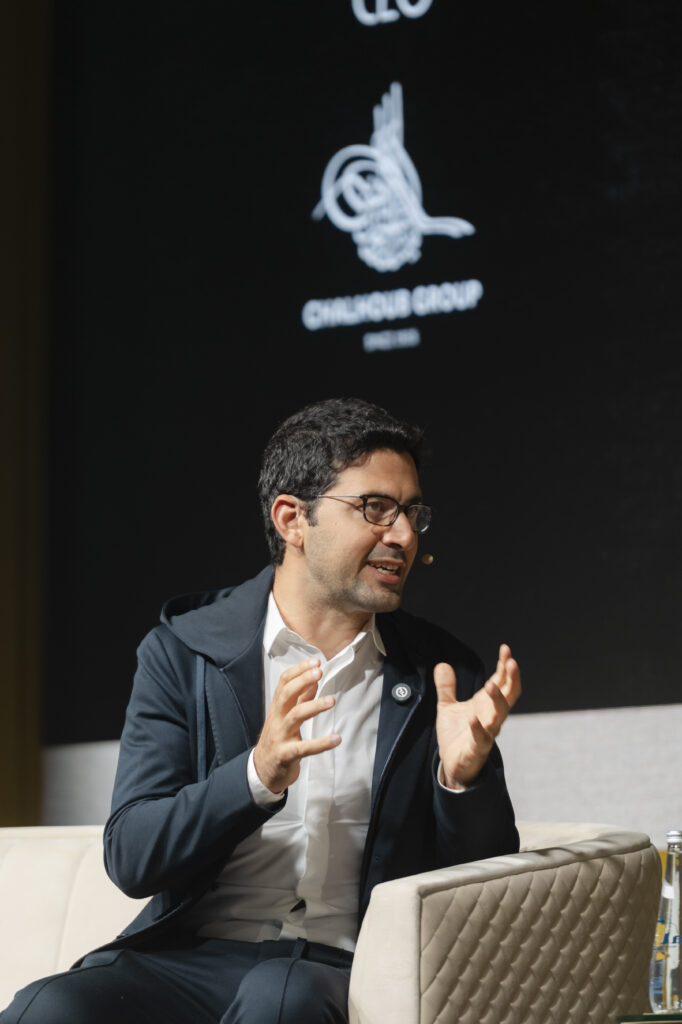
That perspective resonated throughout the event. Luxury markets around the world are navigating new uncertainties—from geopolitical tensions to shifting consumer expectations—but the conversations in Abu Dhabi were notably forward-looking. Adaptation, rather than retreat, emerged as the prevailing strategy.
Retail Reinvention: Building Organizations That Can Change
Another recurring theme at Shoptalk Luxe was the transformation of luxury retail itself. Traditional models—particularly department stores—are being forced to rethink how they create value in an era increasingly defined by digital ecosystems and experiential engagement.
Speaking at the conference, Jennifer Woo, Chair of Lane Crawford, argued that long-standing retail institutions must fundamentally rethink how they operate if they hope to remain relevant.
“Department stores are usually built to last, not to change. That can’t continue. Today we have to build organizations that change in order to last.”
For Woo, that shift involves moving away from rigid departmental structures toward more fluid organizations centered on people, community, and curated experiences. Technology can support that transformation, but it should remain a tool rather than the strategy itself.
The message resonated with many attendees: the future of luxury retail may depend less on scale and more on adaptability.
Designing Luxury Spaces That Welcome, Connect, and Convert
If retail models are evolving, the spaces where luxury brands engage consumers are also undergoing transformation.
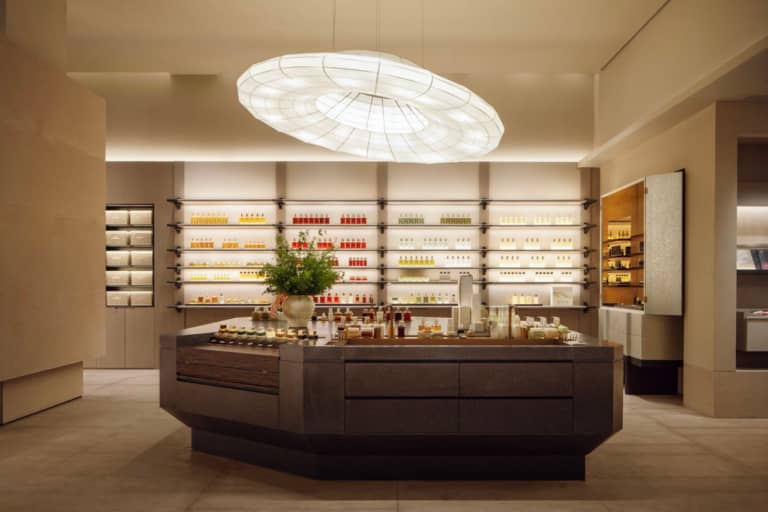
At Shoptalk Luxe, Derek Sulger, Chairman of Shanghai Tang, argued that the next era of luxury will be defined less by product scale and more by the quality of environments brands create.
“For us, luxury begins with exclusivity, expressiveness, and experience. The product matters — but it’s the feeling a space creates that ultimately drives connection.”
In this sense, the future of luxury retail may depend less on how many stores brands open, and more on how meaningful the environments they create become.
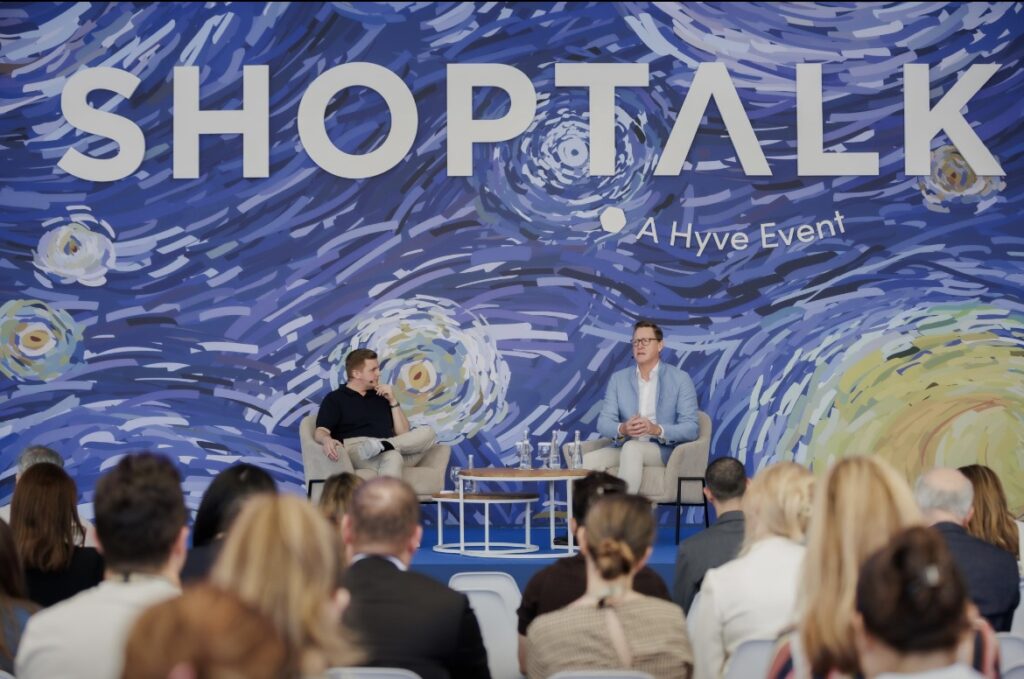
Sulger’s perspective reflects a broader shift across the industry. Flagship stores, hospitality venues, restaurants, and cultural spaces are increasingly functioning as experiential platforms where brands build emotional relationships with audiences rather than simply facilitating transactions.
In this context, the most effective luxury environments are those that welcome audiences with authenticity, connect through culture, and convert through meaningful engagement.
Hospitality as Luxury’s Experiential Platform
The convergence between retail and experience extends beyond stores themselves. Hospitality is increasingly becoming an essential infrastructure for luxury brands seeking deeper engagement with consumers.
According to Alex Schellenberger, hospitality is evolving into a strategic platform for luxury storytelling.
“Luxury today is defined less by what you buy and more by how you feel. We are seeing hospitality move beyond being a service layer to becoming an essential platform for luxury brands. It creates the setting for genuine connection, for immersion and for relationships that go far beyond a single transaction.”
As brands experiment with destination retail, branded residences, and cultural collaborations, the boundaries between hospitality, retail, and lifestyle are becoming increasingly fluid.
For many executives attending the conference, this convergence represents one of the most significant structural shifts facing the luxury industry.
China’s Influence on the Next Chapter of Luxury
For observers from China’s luxury ecosystem, the conversations in Abu Dhabi carried particular significance.
China has long been one of the world’s most influential luxury consumer markets. Increasingly, however, its influence extends beyond demand to shape how brands innovate and deliver value.
In the beauty sector, for example, Chinese consumers are pushing brands toward more evidence-driven products and integrated service ecosystems.
Carol Zhou, Senior Vice President of Shiseido China, described how this shift is redefining expectations not only in China but globally.
“China is no longer just shaping luxury taste — it is redefining how luxury delivers value. In beauty, this is especially visible in the rise of medical aesthetics, where consumers expect clinically credible results, not just brand storytelling.
What’s emerging in China is a fully integrated ecosystem — spanning clinic treatments, professional protocols, and at-home care, with real data and repeatable outcomes.”
This “proof-driven luxury” model, Zhou argued, is increasingly transferable globally as consumers demand measurable transformation rather than purely aspirational messaging.
In other words, China is not simply following global luxury trends—it is helping set new standards.
A More Interconnected Luxury Ecosystem
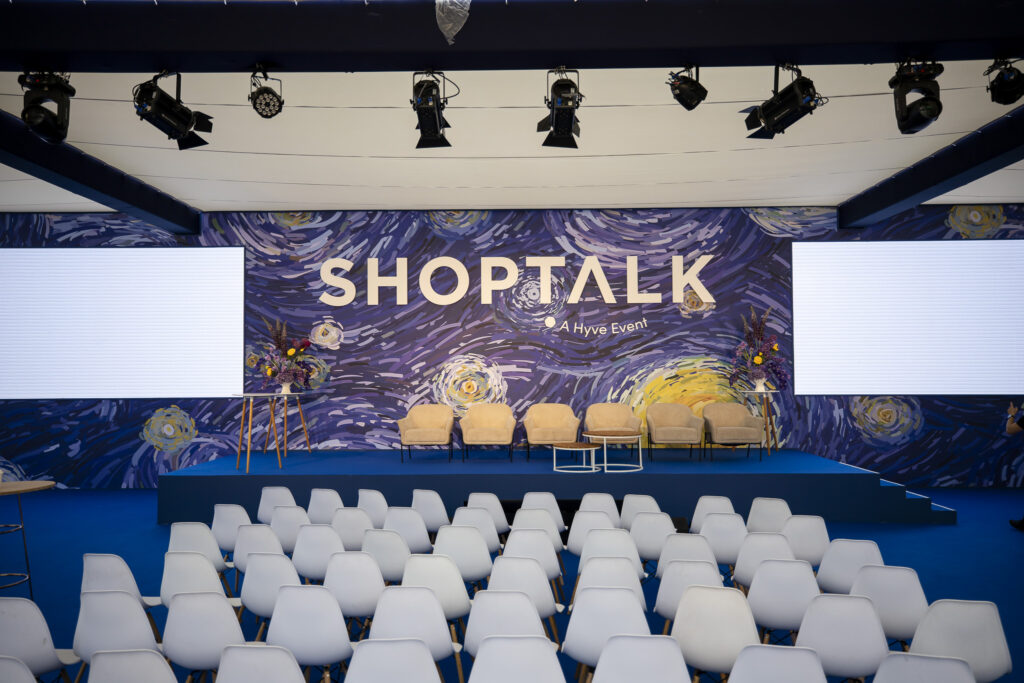
If the inaugural Shoptalk Luxe revealed anything about the future of the luxury industry, it is that the next chapter will be shaped by a far more interconnected ecosystem.
The Middle East is emerging as a new convening hub for global luxury dialogue. Europe continues to anchor heritage and craftsmanship. And China—through its scale, innovation, and evolving consumer culture—remains one of the most important laboratories for the industry’s next phase.
For Chinese brands, innovators, and technology partners, the takeaway from Abu Dhabi is clear: the future of luxury will not be defined by a single market or model, but by the ability to translate culture, experience, and innovation across borders.
Those who succeed will be the ones capable of connecting these worlds.