
A weekly snapshot of the China consumer market, tracking retail strategy shifts, brand expansion, Lunar New Year activations, and deal-making signals shaping 2026.
Welcome to Weekly Brief by Jingzhi Chronicle, our weekly column spotlighting the developments shaping the China consumer market. Each edition curates the most relevant moves across retail, fashion, beauty, travel retail, and capital markets—capturing how brands and platforms are recalibrating for growth, visibility, and resilience in China. This week, signals range from retail restructuring and flagship investments to Lunar New Year campaigns and renewed deal activity, offering a clear view into how 2026 is beginning to take shape.
Retail & Platforms: China Consumer Market Signals
JD.com has announced the formation of a new “Chameleon Business Unit,” positioned as an internal growth engine to strengthen its competitiveness in the rapidly shifting China consumer market. The move highlights how major platforms are doubling down on organizational agility—treating “structure” as a product, and building teams designed to iterate quickly as traffic, price competition, and content-led commerce continue to compress decision cycles.
Beauty & Fragrance: China Expansion and Premiumization
In fragrance, French heritage perfume house Bienaimé is rebooting with a clear emphasis on its China strategy—leaning into its brand legacy while adapting to a market where storytelling, cultural relevance, and retail execution increasingly determine whether imported niche fragrance can translate into sustainable scale.
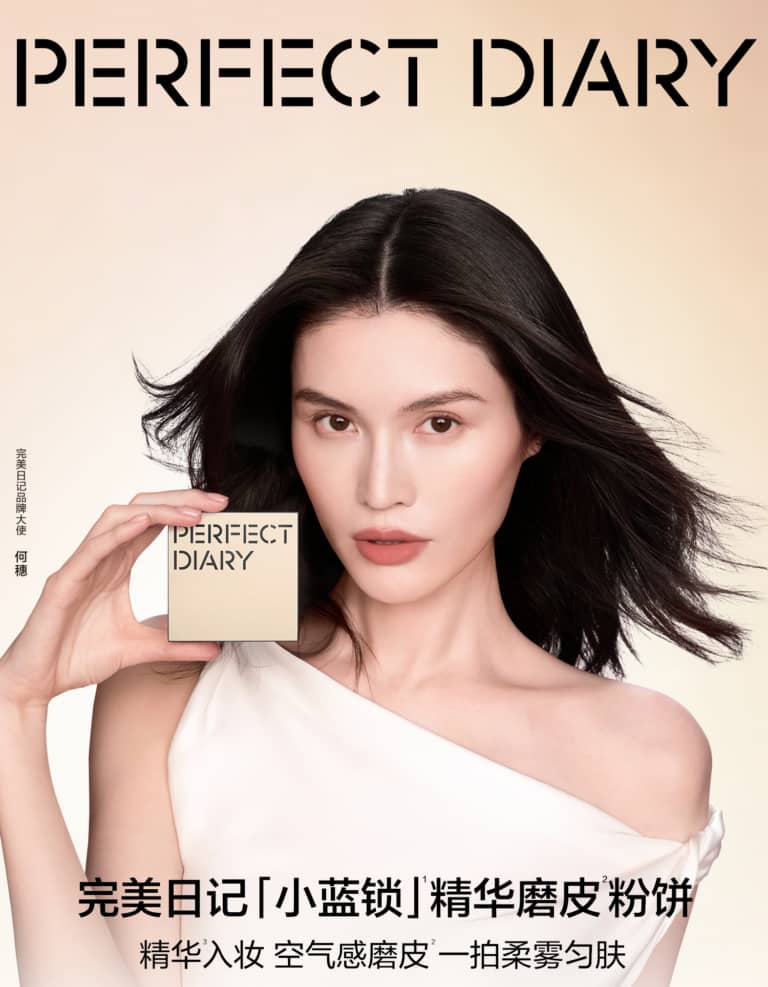
Meanwhile, China’s beauty globalization continues: Fan Beauty Diary has expanded into Singapore (following its entry into major local retail channels), underscoring how Chinese beauty brands are now treating Southeast Asia as both a revenue market and a brand-building corridor en route to broader international presence.
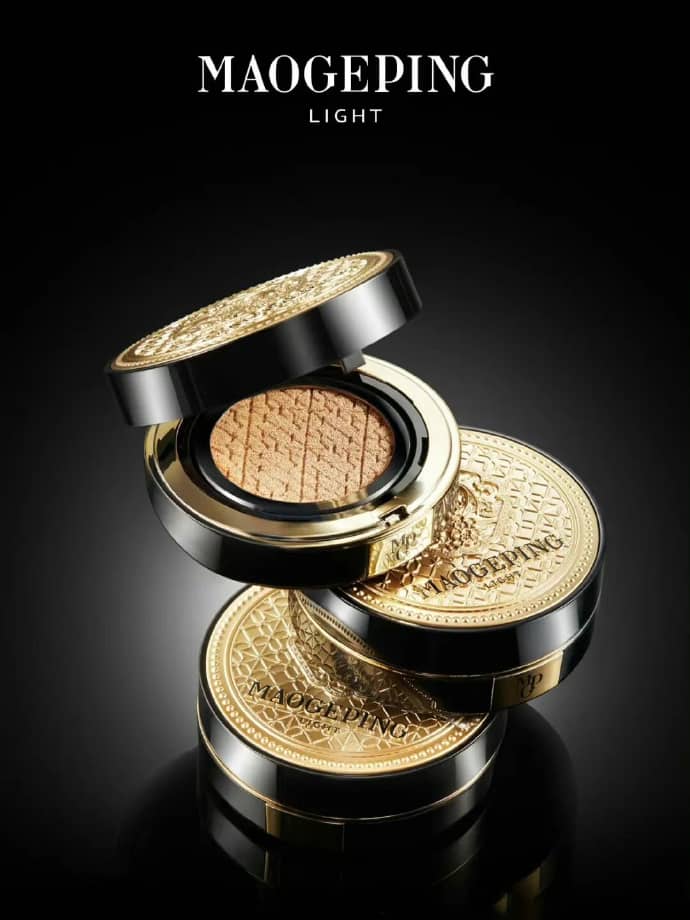
On the investment side, L Catterton (LVMH-affiliated private equity) has entered a strategic partnership with Mao Geping Group, a signal that global capital remains interested in China beauty assets—particularly those with brand equity, premium price potential, and scalable retail systems.
Fashion & Luxury: Lunar New Year Campaign Cycle
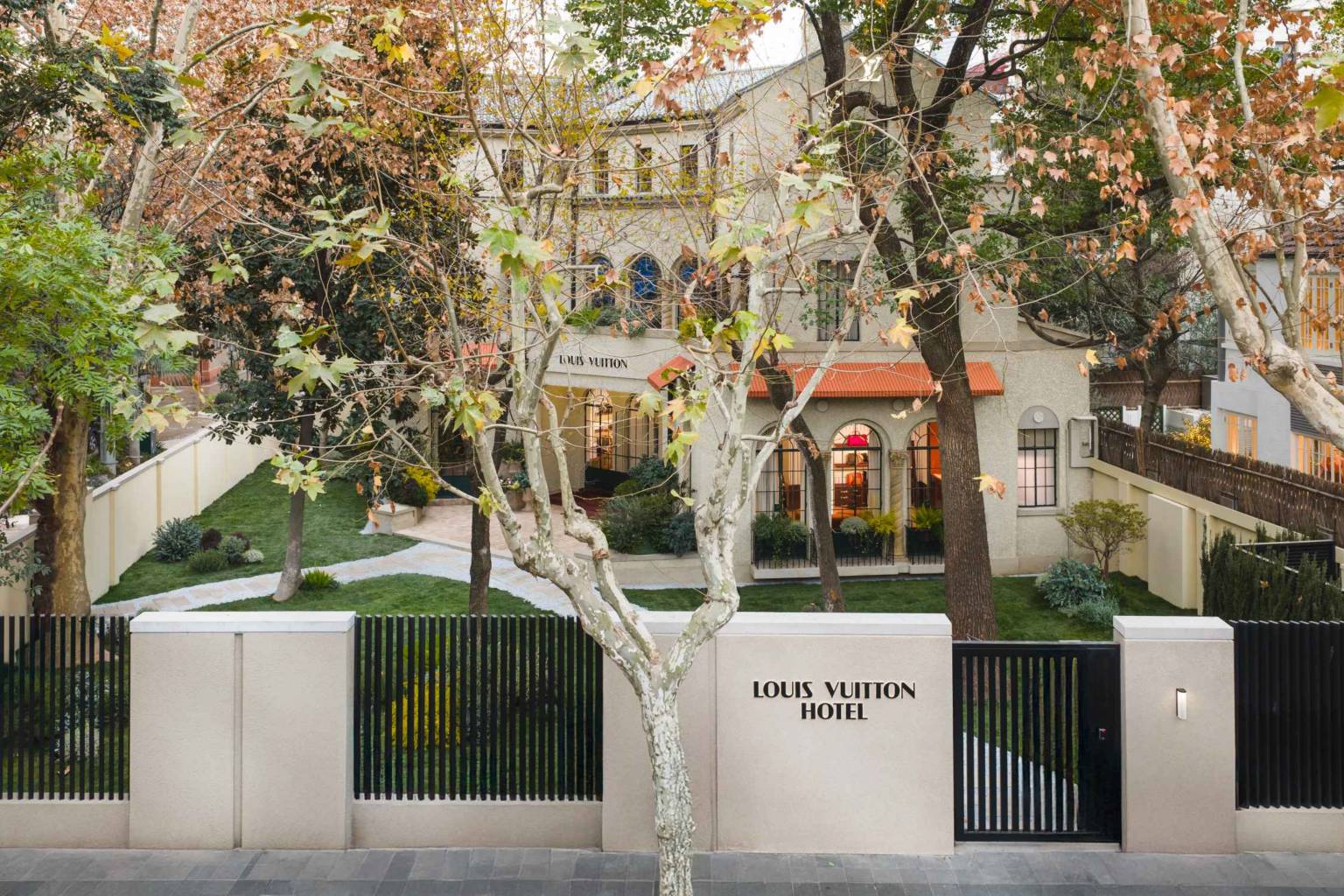
With the 2026 Lunar New Year (Year of the Horse) approaching, international luxury houses are accelerating their China-facing holiday calendars. Valentino, Burberry, and Balenciaga have each rolled out Lunar New Year-focused initiatives—reinforcing a now-familiar rhythm: themed product capsules, holiday gifting narratives, and localized cultural motifs designed to compete for attention in a peak season increasingly dominated by short content, fast retail feedback, and sharper consumer expectations.
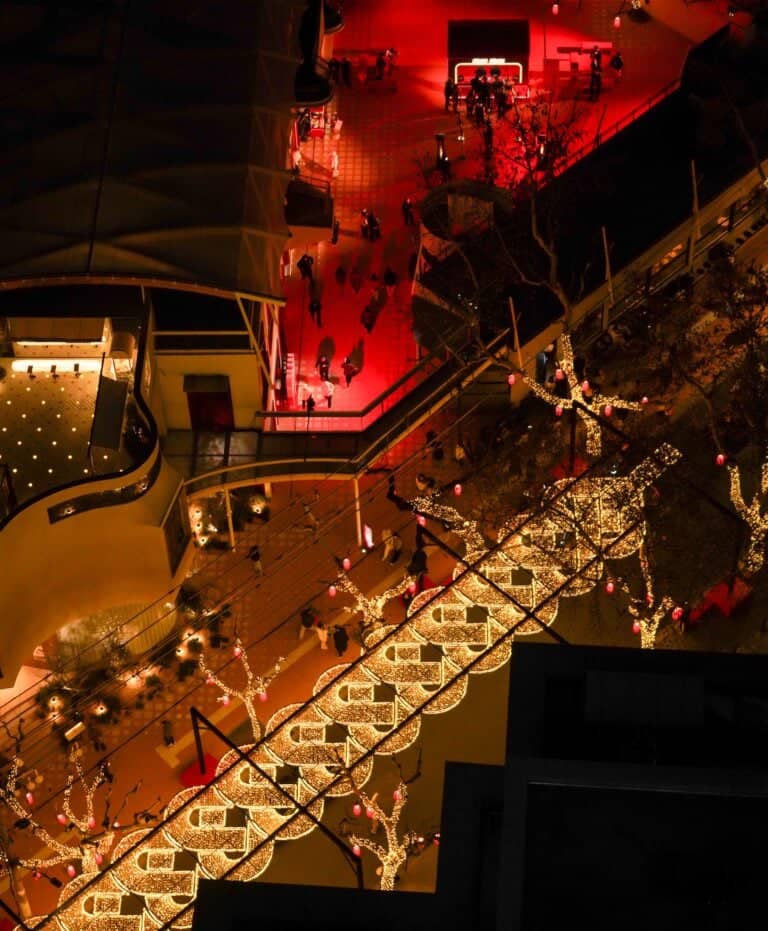
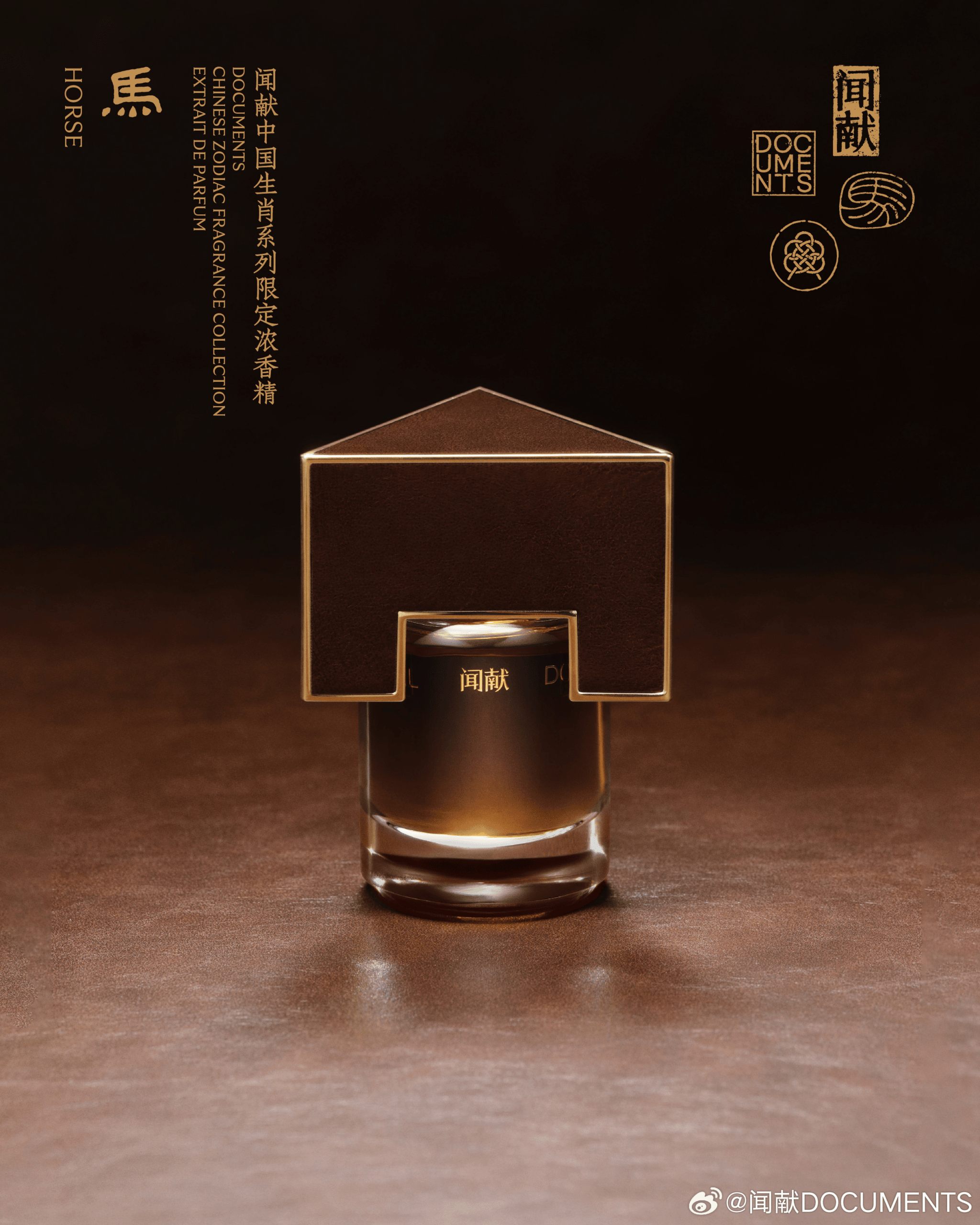
In experiential retail and cultural expression, Chinese high-end fragrance brand 闻献 (DOCUMENTS) has unveiled its 2026 Lunar New Year seasonal collection, themed “跃马奔新,共赴欢腾.” The launch encompasses a **Chinese zodiac-inspired limited edition perfume “马 HORSE,” a new home fragrance line named “万家灯火,” and an immersive Year of the Horse festival space in Shanghai’s West Bund Dream Center designed to blend scent, ritual, and atmosphere for the Spring Festival. By rooting its narrative in Chinese cultural symbolism — from zodiac meaning to lantern-inspired design — the brand is intentionally positioning fragrance as both a sensory expression of seasonal celebrations and a culturally resonant offering for consumers during one of China’s major retail moments.
This isn’t just seasonal marketing—it’s a visibility contest in the China consumer market, where holiday performance often becomes a proxy for brand relevance, retail productivity, and social buzz heading into Q1.
Sports & Outdoor: China Store Strategy and Local Momentum
Nordic outdoor brand Haglöfs has opened its first global flagship in Shanghai, making a clear statement about China’s role in outdoor and performance-lifestyle growth. Flagships are no longer only about scale—they are now brand theaters that combine community, product education, and proof-of-authenticity in categories where consumers increasingly seek technical credibility and lifestyle alignment.
Travel Retail & Jewelry: Pricing Power and Leadership Shifts
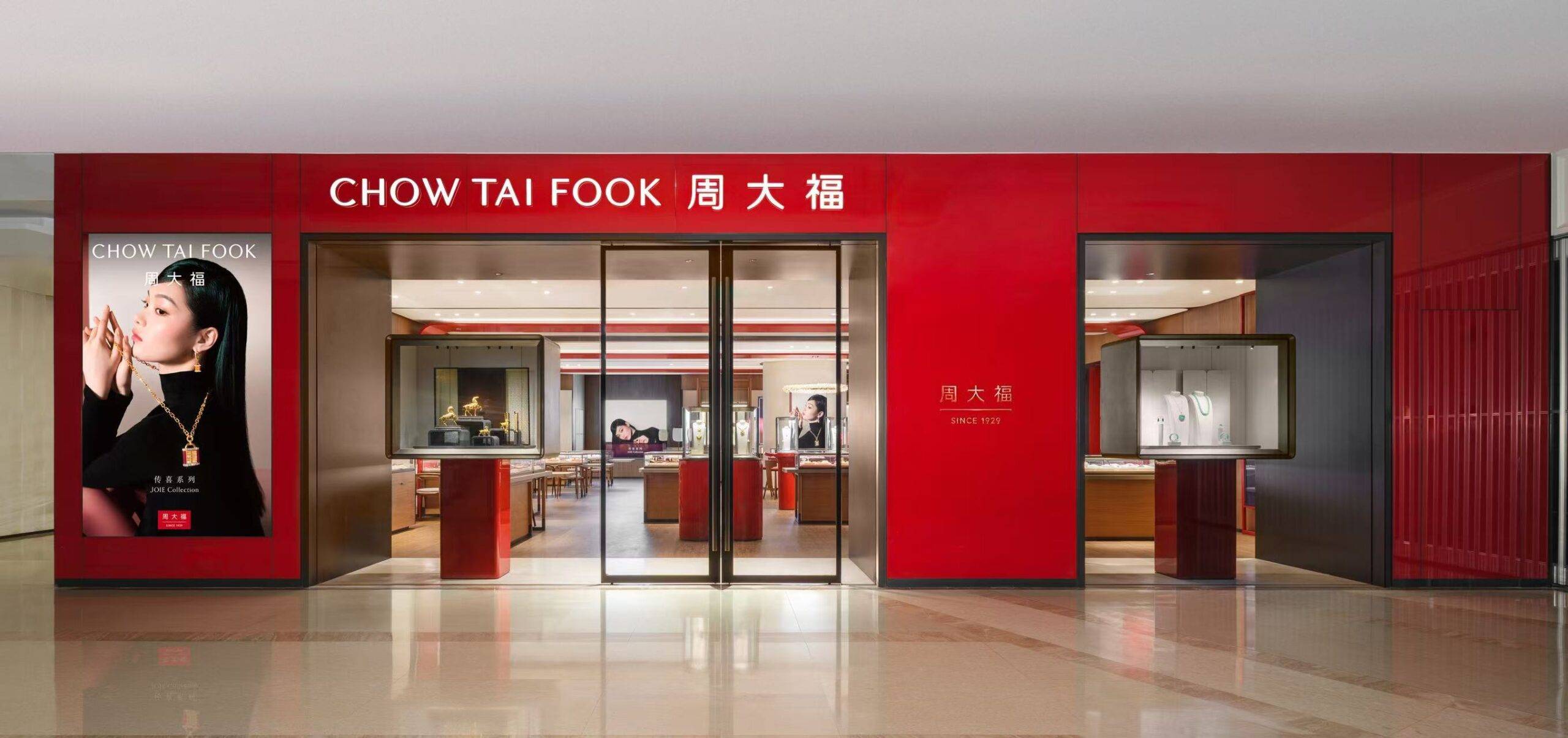
In jewelry, Chow Sang Sang has adjusted pricing for its “one-price” gold products—another reminder that gold jewelry is now operating at the intersection of consumption and financial sentiment, where pricing strategy and consumer psychology move closely with spot price expectations and perceived value.
In travel retail, China Duty Free Group (CDFG) has appointed Chen Sujing as Chief Operating Officer—an operational signal at a moment when duty-free faces traffic shifts, margin pressure, and intensifying expectations for more differentiated assortments and stronger in-terminal experiences.
Deals & Capital: M&A, Strategic Stakes, and IPO Moves
Deal-making also cuts across categories this week. Reuters reports that Anta is exploring the acquisition of a 29% stake in Puma, a move that—if realized—would further globalize Anta’s portfolio logic and amplify its cross-market operating leverage.
In beauty/wellness M&A, Rohto Pharmaceutical has acquired THANN, showing continued appetite among Japanese groups for brands with international resonance and category adjacency to skin health and lifestyle.
Finally, in China’s “creator economy” infrastructure, Tianxiaxiu (often described as a major “influencer economy” platform company) has filed for a Hong Kong listing, signaling that capital markets still see long-run value in the connective tissue between content, talent, and commerce—even as the cost of growth and the scrutiny on profitability continue to rise in the China consumer market.